Feline boredom is a significant yet often overlooked aspect of cat care that can have profound implications for a cat’s mental and physical well-being. Unlike dogs, cats are more independent and may not exhibit overt signs of distress when they are bored. However, boredom can lead to a range of behavioral issues, including anxiety, aggression, and even health problems. Understanding the nuances of feline boredom is crucial for pet owners who wish to provide a stimulating environment that promotes their cat’s overall happiness and health.
Boredom in cats can stem from various factors, including lack of stimulation, insufficient interaction with humans or other pets, and an unvaried environment. Cats are natural hunters, and their instincts drive them to engage in activities that mimic hunting behaviors. When these instincts are not satisfied, cats may resort to undesirable behaviors as a means of coping with their dissatisfaction. Recognizing the importance of addressing feline boredom is essential for fostering a harmonious relationship between cats and their owners.
Common Behavioral Signs Your Cat Is Bored
Identifying the signs of boredom in cats can be challenging, as they often manifest subtly. However, there are several common behavioral indicators that can alert owners to their feline’s discontent. One of the most prevalent signs is a lack of engagement with toys or surroundings. If a cat shows little interest in playtime or ignores interactive toys, it may be a clear indication that they are not sufficiently stimulated.
Another behavioral sign is increased vocalization. Cats may meow excessively or engage in other vocalizations as a way to express their frustration or seek attention. Additionally, changes in grooming habits can also signal boredom; for instance, a cat may over-groom or neglect grooming altogether. Observing these behaviors closely can help owners identify when their cat is feeling bored and take appropriate action to alleviate the situation.
Excessive Meowing and Vocalization as a Cry for Attention

Excessive meowing is one of the most noticeable signs that a cat is experiencing boredom or seeking attention. Cats are known for their vocalizations, but when the frequency and intensity of meowing increase significantly, it often indicates an underlying issue. This behavior can stem from a desire for interaction, playtime, or simply an outlet for pent-up energy.
In some cases, excessive vocalization may also be linked to anxiety or stress. Cats may meow more when they feel neglected or isolated, signaling their need for companionship or stimulation. Owners should pay attention to the context of the vocalizations; if they occur during times when the cat is left alone or when there is little activity in the home, it may be a clear indication that the cat is bored and requires more engagement.
Destructive Scratching and Furniture Damage

Destructive scratching is another common manifestation of feline boredom. Cats have an innate need to scratch as it helps them maintain their claws and mark their territory. However, when they lack appropriate outlets for this behavior, they may turn to furniture or other household items as alternatives. This not only leads to damage but can also create tension between the cat and its owner.
To mitigate destructive scratching, it is essential to provide suitable scratching posts and pads that cater to your cat’s preferences. Additionally, engaging your cat in regular play sessions can help channel their energy into more constructive activities. By understanding the reasons behind scratching behavior, owners can take proactive measures to protect their belongings while ensuring their feline companions remain entertained.
Overeating or Refusing Food: Appetite Changes Linked to Boredom
Boredom can significantly impact a cat’s appetite, leading to overeating or refusal to eat altogether. When cats are bored, they may turn to food as a source of entertainment or comfort, resulting in excessive weight gain and associated health risks such as obesity and diabetes. Conversely, some cats may lose interest in food when they lack stimulation, leading to weight loss and nutritional deficiencies.
To address these appetite changes, it is crucial for owners to monitor their cat’s eating habits closely. Implementing feeding schedules and portion control can help regulate food intake while preventing overeating. Additionally, introducing interactive feeding methods, such as puzzle feeders, can stimulate a cat’s mind while encouraging healthy eating behaviors.
Increased Sleeping or Lethargy: When Boredom Drains Energy
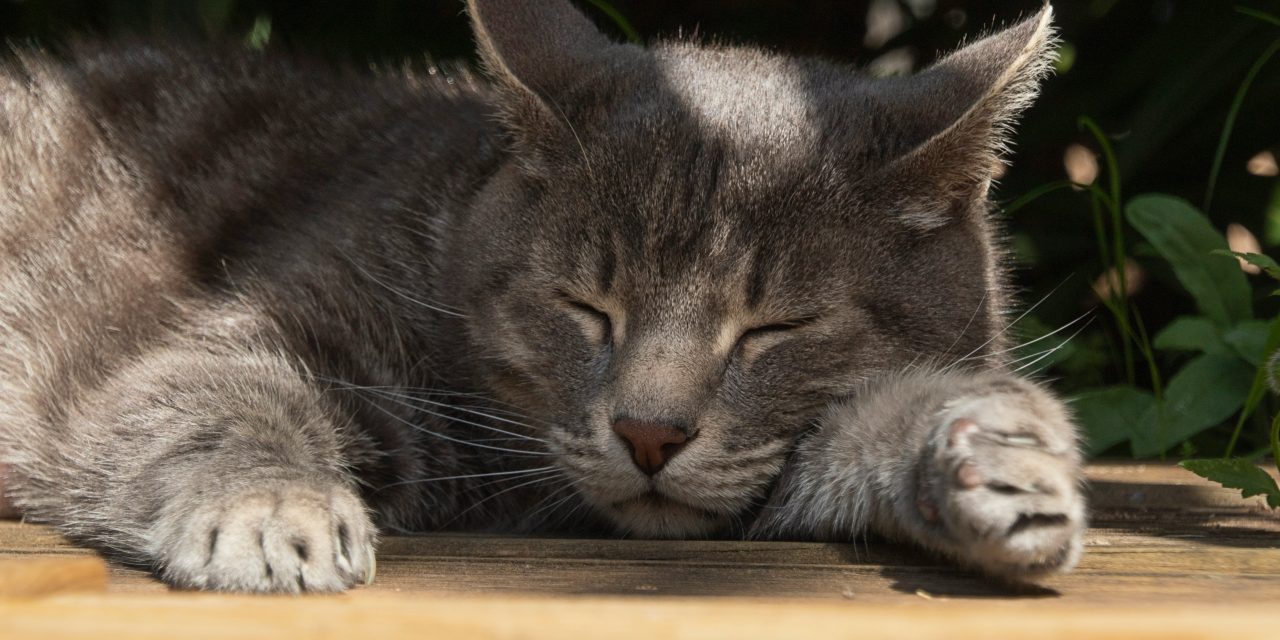
Increased sleeping or lethargy is another common sign that a cat may be experiencing boredom. While cats are known for their propensity to nap throughout the day, excessive lethargy can indicate that they are not receiving adequate mental stimulation. Boredom can drain a cat’s energy levels, leading them to become less active and more withdrawn.
To combat lethargy associated with boredom, it is essential to incorporate regular playtime into your cat’s daily routine. Engaging them in interactive games that mimic hunting behaviors can help reignite their natural instincts and encourage physical activity. Additionally, providing opportunities for exploration and environmental enrichment can stimulate their minds and promote overall well-being.
Repetitive Behaviors and Pacing: Signs of Restlessness
Repetitive behaviors and pacing are often indicative of restlessness in bored cats. These behaviors may include excessive grooming, tail chasing, or pacing back and forth in a confined space. Such actions can signal that a cat is feeling anxious or frustrated due to a lack of stimulation in their environment.
To alleviate restlessness, it is important for owners to create an enriching environment that encourages exploration and play. Providing various toys, climbing structures, and hiding spots can help satisfy a cat’s natural curiosity while reducing repetitive behaviors. Additionally, incorporating interactive play sessions into your routine can provide an outlet for pent-up energy and promote mental engagement.
How Interactive Playtime Can Stimulate Your Cat’s Mind
Interactive playtime is one of the most effective ways to combat feline boredom and stimulate your cat’s mind. Engaging in regular play sessions not only provides physical exercise but also encourages mental stimulation through problem-solving and exploration. Utilizing toys that mimic prey movements—such as feather wands or laser pointers—can tap into your cat’s natural hunting instincts.
Moreover, varying the types of play activities can keep your cat engaged and prevent monotony. Incorporating different toys and changing play routines regularly can help maintain your cat’s interest while providing essential mental enrichment. By dedicating time each day for interactive playtime, owners can foster a deeper bond with their feline companions while promoting overall well-being.
Introducing Puzzle Feeders and Treat-Dispensing Toys
Puzzle feeders and treat-dispensing toys are excellent tools for combating boredom while promoting healthy eating habits in cats. These innovative devices require cats to engage in problem-solving activities to access their food or treats, providing both mental stimulation and physical exercise. By challenging your cat’s cognitive abilities, you can help alleviate boredom while encouraging natural hunting behaviors.
When introducing puzzle feeders, it is essential to start with simpler designs before progressing to more complex options. This gradual approach allows your cat to build confidence in their problem-solving skills while keeping them engaged. Additionally, rotating different types of puzzle feeders can maintain novelty and prevent your cat from losing interest over time.
Creating a Cat-Friendly Environment with Climbing and Hiding Spots
Creating a cat-friendly environment is crucial for preventing boredom and promoting overall well-being. Cats thrive in spaces that offer opportunities for climbing, hiding, and exploring. Incorporating vertical spaces such as shelves or cat trees allows cats to engage in natural climbing behaviors while providing vantage points for observation.
Hiding spots are equally important; providing cozy nooks or enclosed spaces allows cats to retreat when they feel overwhelmed or simply want some quiet time. By designing an environment that caters to your cat’s instincts and preferences, you can create a stimulating atmosphere that encourages exploration and reduces feelings of boredom.
The Importance of Routine and Social Interaction for Enrichment
Establishing a routine is vital for enriching your cat’s life and preventing boredom-related issues. Cats thrive on predictability; having set times for feeding, playtime, and social interaction helps create a sense of security while ensuring they receive adequate stimulation throughout the day.
Social interaction is equally important; spending quality time with your cat fosters emotional bonds while providing opportunities for engagement. Whether through interactive play sessions or simply sitting together while watching television, these moments contribute significantly to your cat’s overall happiness and well-being.
In conclusion, understanding feline boredom is essential for promoting the health and happiness of our feline companions. By recognizing common behavioral signs such as excessive vocalization, destructive scratching, changes in appetite, lethargy, repetitive behaviors, and restlessness, owners can take proactive measures to alleviate boredom through interactive playtime, puzzle feeders, environmental enrichment, routine establishment, and social interaction. By prioritizing these aspects of care, we can ensure our cats lead fulfilling lives filled with mental stimulation and emotional connection.
### FAQ Section
1. **What are the signs my cat is bored?**
– Common signs include excessive vocalization (meowing), destructive scratching behavior, changes in appetite (overeating or refusing food), increased lethargy or sleeping patterns, repetitive behaviors (like pacing), and general restlessness.
2. **How much playtime does my cat need?**
– Ideally, cats should engage in interactive play sessions lasting 15-30 minutes at least once or twice daily to keep them mentally stimulated.
3. **What types of toys are best for stimulating my cat?**
– Toys that mimic prey movements—such as feather wands, laser pointers, balls with bells inside—are excellent choices for engaging your cat’s hunting instincts.
4. **How do I introduce puzzle feeders?**
– Start with simpler puzzle feeders that require minimal effort to access food before gradually introducing more complex designs as your cat becomes comfortable with the concept.
5. **Can boredom lead to health issues?**
– Yes! Boredom can lead to obesity due to overeating or nutritional deficiencies from refusing food altogether; both conditions pose serious health risks.
6. **Is it necessary to provide vertical spaces for my cat?**
– Absolutely! Vertical spaces allow cats to climb and explore their environment naturally while providing safe vantage points for observation.
7. **How often should I change my cat’s toys?**
– Rotating toys every few weeks keeps them fresh and exciting for your cat; this prevents monotony and encourages continued engagement.
8. **What if my cat continues showing signs of boredom despite my efforts?**
– If boredom persists despite implementing various strategies, consider consulting with a veterinarian or animal behaviorist for tailored advice specific to your cat’s needs.
9. **Can I train my cat using positive reinforcement?**
– Yes! Positive reinforcement techniques—such as rewarding desired behaviors with treats—can effectively encourage engagement during playtime or training sessions.
10. **How important is social interaction for my cat?**
– Social interaction plays a crucial role in preventing boredom; spending quality time with your cat fosters emotional bonds while providing opportunities for engagement.
In summary, addressing feline boredom through understanding behavioral signs and implementing effective strategies such as interactive playtime, environmental enrichment, routine establishment, and social interaction is vital for ensuring our cats lead fulfilling lives filled with mental stimulation and emotional connection.
FAQs
What are common signs that my cat is bored?
Common signs of boredom in cats include excessive sleeping, lack of interest in play, increased vocalization, destructive behavior, and changes in eating habits. If your cat seems disinterested in their usual activities or toys, it may be a sign they need more stimulation.
How can I tell if my cat is getting enough mental stimulation?
You can assess your cat’s mental stimulation by observing their engagement with toys and activities. If they actively play, explore their environment, and show curiosity about new things, they are likely receiving adequate mental stimulation. Conversely, if they seem lethargic or uninterested, they may need more enrichment.
What types of enrichment can I provide for my cat?
Enrichment for cats can include interactive toys, puzzle feeders, scratching posts, climbing structures, and regular playtime with their owners. Additionally, providing safe outdoor access or window perches can stimulate their natural instincts and curiosity.
How often should I change my cat’s toys or activities?
It’s beneficial to rotate your cat’s toys and activities every few weeks to keep their environment fresh and engaging. Introducing new toys or changing the layout of their play area can help maintain their interest and prevent boredom.
Can boredom in cats lead to behavioral problems?
Yes, boredom can lead to various behavioral problems in cats, such as aggression, excessive grooming, or litter box issues. Providing adequate enrichment and stimulation can help mitigate these behaviors and promote a healthier, happier cat.