Bathing a puppy for the first time can be an exhilarating yet daunting experience for both the pet and the owner. It is essential to approach this task with a well-thought-out plan to ensure that the process is smooth and enjoyable. Before you even consider filling the tub or sink, take a moment to assess your puppy’s temperament. Some puppies may be more anxious than others, and understanding their personality will help you tailor the bathing experience to their needs.
Additionally, it is crucial to establish a calm environment. Puppies are highly sensitive to their surroundings, and a chaotic atmosphere can lead to stress and anxiety. Consider playing soft music or using calming scents, such as lavender, to create a soothing ambiance. Preparing your puppy mentally for the bath can significantly reduce any apprehension they may feel.
Gathering All Necessary Bathing Supplies
Before embarking on this bathing journey, it is imperative to gather all necessary supplies to avoid interruptions during the process. Essential items include a non-slip mat for the bathing area, a gentle puppy shampoo, a soft washcloth or sponge, and several towels for drying. A detachable showerhead or a cup can also be beneficial for rinsing purposes.
Moreover, consider having treats on hand to reward your puppy throughout the bathing process. This will not only help in creating positive associations with bath time but also serve as an incentive for good behavior. Having everything organized and within reach will streamline the experience and minimize any potential stress for both you and your furry friend.
Choosing the Right Location for the Bath

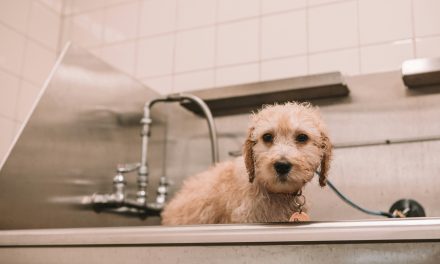
Selecting an appropriate location for your puppy’s bath is crucial for ensuring comfort and safety. Many pet owners opt for a bathtub, but alternatives such as a sink or a designated pet bathing station can also work well, especially for smaller breeds. The chosen area should be spacious enough to accommodate your puppy’s movements while preventing any slips or falls.
Consider the flooring as well; non-slip surfaces are ideal to prevent accidents during bath time. If you choose to bathe your puppy outdoors, ensure that the weather is suitable and that your puppy is protected from extreme temperatures. A warm, dry day can make outdoor bathing enjoyable, but always keep an eye on your puppy’s comfort level.
Setting the Water Temperature Perfectly

Water temperature plays a pivotal role in creating a pleasant bathing experience for your puppy. Ideally, the water should be lukewarm—neither too hot nor too cold—to ensure comfort. Testing the water with your wrist or elbow can help gauge its suitability; it should feel warm but not scalding.
Be mindful of your puppy’s reactions as you introduce them to the water. If they seem hesitant or uncomfortable, adjust the temperature accordingly. A gentle stream of water can also help ease any anxiety, as it mimics natural rainfall and can be less intimidating than a sudden splash.
Introducing Your Puppy to the Bath Area
Once you have prepared the bathing area and gathered all necessary supplies, it’s time to introduce your puppy to this new environment. Start by allowing them to explore the space at their own pace. Encourage curiosity by using treats or toys to create positive associations with the bath area.
Gradually acclimate your puppy to the sounds and sensations associated with bathing. For instance, let them hear the sound of running water before they are placed in it. This gradual introduction can help alleviate any fears they may have about being submerged in water.
Using Gentle, Puppy-Safe Shampoo
Choosing the right shampoo is paramount in ensuring your puppy’s skin and coat remain healthy and free from irritation. Opt for a gentle, hypoallergenic shampoo specifically formulated for puppies. These products are designed to maintain the natural oils in their skin while effectively cleaning without causing dryness or irritation.
When applying shampoo, use a small amount and lather gently, avoiding sensitive areas such as the eyes and ears. It is advisable to read labels carefully to ensure that no harmful chemicals are present in the product you choose. Natural ingredients like oatmeal or aloe vera can provide additional soothing benefits for your puppy’s skin.
Techniques for Washing Without Causing Stress
Bathing techniques can significantly impact how your puppy perceives this experience. Start by wetting your puppy’s coat gradually, using a cup or showerhead on a low setting to avoid overwhelming them with water. Speak softly and reassuringly throughout the process to help them feel secure.
When washing, use gentle circular motions with your hands or a soft washcloth to clean their body thoroughly. Focus on areas that tend to accumulate dirt, such as paws and underbelly, while being cautious around sensitive spots like their face and ears. If your puppy shows signs of distress, take a break and offer reassurance before continuing.
Rinsing Thoroughly and Carefully
Rinsing is just as important as washing when it comes to maintaining your puppy’s skin health. Residual shampoo can lead to irritation or allergic reactions if not removed completely. Use lukewarm water again during this phase, ensuring that all soap is washed away from their coat.
Pay special attention to areas where shampoo may linger, such as between toes and underarms. A detachable showerhead can be particularly useful for rinsing hard-to-reach spots effectively. After rinsing, gently squeeze excess water from their coat without pulling on their fur.
Drying Your Puppy Comfortably and Safely
After rinsing, drying your puppy properly is essential to prevent them from becoming chilled or uncomfortable. Use absorbent towels to gently pat down their coat, removing as much moisture as possible without vigorous rubbing that could cause tangles or discomfort.
If your puppy tolerates it, you may consider using a pet-safe blow dryer on a low setting at a safe distance from their skin. Always monitor their reaction; if they seem frightened or anxious, revert to towel drying instead. Ensuring that your puppy is comfortable during this stage will help reinforce positive associations with bath time.
Rewarding and Praising Your Puppy After Bath Time
Once bath time is complete, it is vital to reward your puppy for their cooperation and bravery throughout the process. Positive reinforcement can significantly influence their future behavior during baths. Offer treats, praise, or playtime as a reward for their good behavior.
This practice not only reinforces positive associations with bathing but also strengthens the bond between you and your puppy. Celebrate their successful bath with affection; this will help them view future baths as enjoyable experiences rather than stressful ones.
Tips for Making Future Baths Easier and Enjoyable
To ensure that future baths are less daunting for both you and your puppy, consider implementing some strategies that promote comfort and ease. Regularly exposing your puppy to water in a playful manner—such as during playtime with water toys—can help desensitize them over time.
Establishing a routine can also be beneficial; consistent bath times will help your puppy anticipate what’s coming next. Additionally, consider incorporating short training sessions focused on commands like “stay” or “sit” during bath time to promote calmness and cooperation.
In conclusion, bathing your puppy for the first time requires careful preparation and consideration of their needs. By gathering appropriate supplies, choosing a suitable location, setting optimal water temperatures, and employing gentle techniques throughout the process, you can create a positive experience that fosters trust between you and your furry companion. With patience and practice, bath time can transform from a stressful ordeal into an enjoyable bonding activity that both you and your puppy look forward to in the future.
FAQs
What supplies do I need to bathe my puppy?
To bathe your puppy, you will need a gentle puppy shampoo, a non-slip mat for the bathing area, a cup or handheld sprayer for rinsing, towels for drying, and possibly a brush to detangle their fur before and after the bath.
How can I make the bathing experience less stressful for my puppy?
To reduce stress, ensure the bathing area is calm and quiet. Use warm water, speak softly to your puppy, and introduce them to the bathing process gradually. You can also reward them with treats and praise throughout the bath to create a positive association.
What temperature should the water be for bathing a puppy?
The water should be lukewarm, similar to the temperature you would use for a baby. Avoid hot or cold water, as extreme temperatures can be uncomfortable or even harmful to your puppy.
How often should I bathe my puppy?
Puppies typically only need to be bathed every 3 to 4 weeks, depending on their breed and activity level. Over-bathing can strip their skin of natural oils, leading to dryness and irritation.
What should I do if my puppy is scared of water?
If your puppy is scared of water, start by introducing them to it slowly. Allow them to explore the bathing area without water first, then gradually introduce small amounts of water. Use positive reinforcement, such as treats and praise, to encourage them and build their confidence.