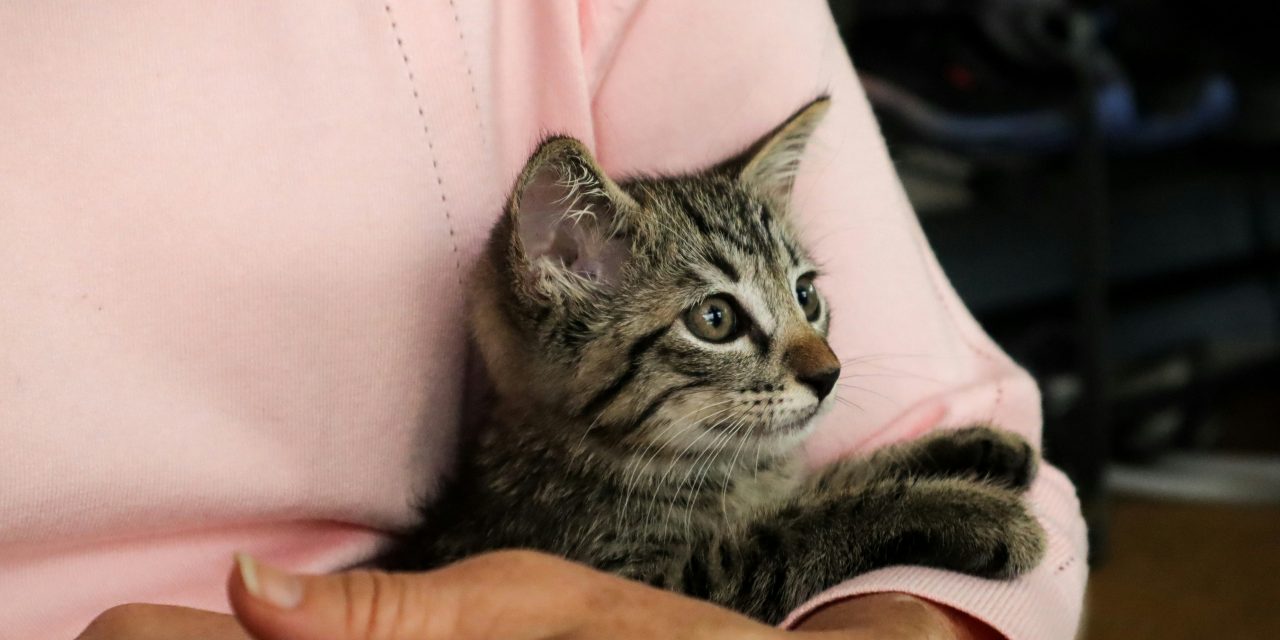
Early veterinary care is crucial for the health and well-being of kittens. Just like human infants, young felines are particularly vulnerable to a variety of health issues. The first few months of a kitten’s life are critical for establishing a strong foundation for their future health. During this period, they are susceptible to infectious diseases, nutritional deficiencies, and developmental disorders. Regular veterinary check-ups can help identify potential problems before they escalate into serious conditions.
Moreover, early veterinary visits provide an opportunity for pet owners to receive essential education on kitten care. Veterinarians can offer guidance on proper nutrition, socialization, and behavioral training, which are vital for a kitten’s development. By establishing a relationship with a veterinarian early on, pet owners can ensure that their kittens receive the best possible care throughout their lives. This proactive approach not only enhances the quality of life for the kitten but also fosters a strong bond between the pet and its owner.
Scheduling Your Kitten’s First Vet Visit
Scheduling your kitten’s first veterinary appointment should ideally occur within the first few weeks after adoption. This timing allows for an initial health assessment and the establishment of a vaccination schedule. When making the appointment, it is essential to choose a veterinarian who specializes in feline care, as they will have the expertise necessary to address the unique needs of kittens.
During this first visit, the veterinarian will conduct a thorough physical examination, checking for any signs of congenital abnormalities or health issues. They will also assess the kitten’s weight, coat condition, and overall demeanor. Pet owners should prepare to discuss the kitten’s diet, behavior, and any concerns they may have observed. This comprehensive evaluation sets the stage for a tailored health plan that addresses the specific needs of the growing feline.
Essential Vaccinations for Kittens

Vaccinations are a cornerstone of preventive healthcare for kittens. The core vaccines recommended by veterinarians include those for feline panleukopenia, feline calicivirus, and feline herpesvirus (rhinotracheitis). These vaccines are typically administered in a series starting at around six to eight weeks of age, with booster shots given every three to four weeks until the kitten is approximately 16 weeks old.
In addition to core vaccines, veterinarians may recommend non-core vaccines based on the kitten’s lifestyle and risk factors. For instance, if a kitten will be exposed to outdoor environments or other animals, vaccines for feline leukemia virus (FeLV) and feline immunodeficiency virus (FIV) may be advised. Keeping up with vaccinations not only protects individual kittens but also contributes to herd immunity within the feline population.
The Role of Deworming and Parasite Prevention

Deworming is an essential aspect of early veterinary care for kittens. Many kittens are born with intestinal parasites such as roundworms or hookworms, which can lead to serious health complications if left untreated. A veterinarian will typically recommend a deworming regimen starting at two weeks of age, with follow-up treatments every two weeks until the kitten is three months old.
In addition to deworming, parasite prevention should be a priority for pet owners. Fleas, ticks, and mites can cause discomfort and transmit diseases to both pets and humans. Veterinarians often recommend monthly preventive treatments that are safe for young kittens. These treatments can include topical solutions or oral medications that effectively eliminate parasites while minimizing side effects.
Spaying and Neutering: When and Why It Matters
Spaying (for females) and neutering (for males) are surgical procedures that prevent unwanted litters and contribute to better overall health in pets. The ideal age for these procedures is typically around six months, although veterinarians may recommend earlier spaying or neutering based on individual circumstances. Early intervention can help prevent behavioral issues associated with mating instincts and reduce the risk of certain cancers.
Beyond population control, spaying and neutering have significant health benefits. For instance, spayed females are less likely to develop mammary tumors or uterine infections, while neutered males have a lower risk of testicular cancer and prostate problems. Additionally, these procedures can lead to improved behavior in both sexes, reducing aggression and territorial marking.
Monitoring Your Kitten’s Growth and Development
Monitoring a kitten’s growth and development is vital for ensuring they are on track to reach their full potential. Kittens typically gain weight rapidly during their first few months of life; they should double their birth weight by two weeks of age and continue to gain approximately 1-2 ounces per week thereafter. Regular weigh-ins at veterinary visits can help track this progress.
In addition to weight monitoring, pet owners should observe their kitten’s developmental milestones. By eight weeks, kittens should be walking confidently and beginning to engage in play behavior. By twelve weeks, they should exhibit social behaviors such as grooming and interacting with humans and other animals. Any deviations from these developmental norms should be discussed with a veterinarian to rule out underlying health issues.
Recognizing Signs of Common Kitten Illnesses
Kittens are susceptible to various illnesses that can manifest through subtle signs. Common symptoms include lethargy, loss of appetite, vomiting, diarrhea, or changes in behavior. Pet owners should be vigilant in observing their kittens for any unusual signs or symptoms that may indicate illness.
Respiratory infections are particularly prevalent in young kittens and may present as sneezing, coughing, or nasal discharge. Gastrointestinal issues can also arise from dietary changes or infections, leading to diarrhea or vomiting. If any concerning symptoms persist for more than 24 hours or worsen over time, immediate veterinary attention is warranted to ensure prompt diagnosis and treatment.
Nutrition Advice from Your Veterinarian
Proper nutrition is fundamental to a kitten’s growth and development. Kittens require a diet rich in protein and essential nutrients to support their rapid growth rates. Veterinarians often recommend high-quality commercial kitten food that meets the nutritional standards set by organizations such as the Association of American Feed Control Officials (AAFCO).
Pet owners should avoid feeding kittens adult cat food or homemade diets without veterinary guidance, as these may lack essential nutrients necessary for healthy development. Additionally, it is crucial to provide fresh water at all times and monitor food intake to ensure that kittens are eating adequately. Regular consultations with a veterinarian can help adjust dietary plans as the kitten matures into adulthood.
Tips for Managing Fleas and Ticks Safely
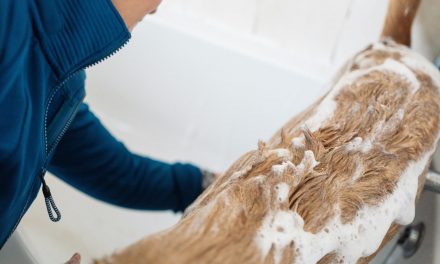
Flea and tick infestations can pose significant health risks to kittens if not managed effectively. Pet owners should implement preventive measures early on to protect their young felines from these parasites. Regular grooming sessions can help identify fleas or ticks before they become a larger issue.
When selecting flea and tick prevention products, it is essential to choose those specifically formulated for kittens. Many over-the-counter treatments may not be safe for young animals due to their sensitive systems. Veterinarians can recommend appropriate topical treatments or oral medications that effectively eliminate parasites while ensuring safety for your kitten.
Preparing for Emergency Situations
Being prepared for emergencies is an essential aspect of responsible pet ownership. Pet owners should have a plan in place for potential emergencies such as natural disasters or sudden illness. Creating an emergency kit that includes essential supplies such as food, water, medications, and first aid items can be invaluable during crises.
Additionally, pet owners should familiarize themselves with local veterinary emergency services and have contact information readily available. Knowing where to go in case of an emergency can save precious time when every second counts. Regularly reviewing emergency protocols with family members ensures everyone is prepared to act swiftly if needed.
Building a Long-Term Health Plan with Your Vet
Establishing a long-term health plan with your veterinarian is vital for maintaining your kitten’s well-being throughout its life. This plan should include regular wellness check-ups, vaccinations, dental care, and preventive treatments tailored to your kitten’s specific needs.
Veterinarians can provide valuable insights into lifestyle adjustments as your kitten matures into adulthood and beyond. Regular communication with your vet allows you to stay informed about new developments in veterinary medicine that may benefit your pet’s health. By prioritizing preventive care and fostering an ongoing relationship with your veterinarian, you can ensure your feline companion enjoys a long, healthy life.
In summary, early veterinary care is paramount for ensuring the health and well-being of kittens. From scheduling initial visits to understanding vaccinations and preventive measures like deworming and parasite control, proactive steps taken by pet owners lay the groundwork for lifelong health. Recognizing signs of illness, providing proper nutrition, managing fleas and ticks safely, preparing for emergencies, and building a long-term health plan with your veterinarian are all critical components of responsible pet ownership that contribute significantly to a kitten’s quality of life.
FAQs
What vaccinations do kittens need?
Kittens typically require a series of vaccinations to protect them from common diseases. The core vaccines include FVRCP (feline viral rhinotracheitis, calicivirus, and panleukopenia) and rabies. The first set of vaccinations is usually administered at around 6-8 weeks of age, with follow-up doses given every 3-4 weeks until they are about 16 weeks old.
How often should I take my kitten to the vet?
It is recommended to take your kitten to the vet for a check-up every 3-4 weeks until they are about 16 weeks old. After that, annual check-ups are generally advised to monitor their health and keep vaccinations up to date.
What should I expect during a kitten vet visit?
During a kitten vet visit, you can expect a thorough physical examination, vaccinations, and discussions about nutrition, behavior, and preventive care. The vet may also check for parasites and provide advice on spaying or neutering your kitten.
How can I prepare my kitten for a vet visit?
To prepare your kitten for a vet visit, get them accustomed to being handled by gently touching their paws, ears, and mouth. You can also practice traveling in a carrier by taking short trips. Make sure to bring any medical records and a list of questions you may have for the vet.
What are common health issues in kittens?
Common health issues in kittens include upper respiratory infections, gastrointestinal parasites, and dental problems. Kittens may also be prone to issues like ringworm and fleas. Regular vet visits can help identify and treat these problems early.