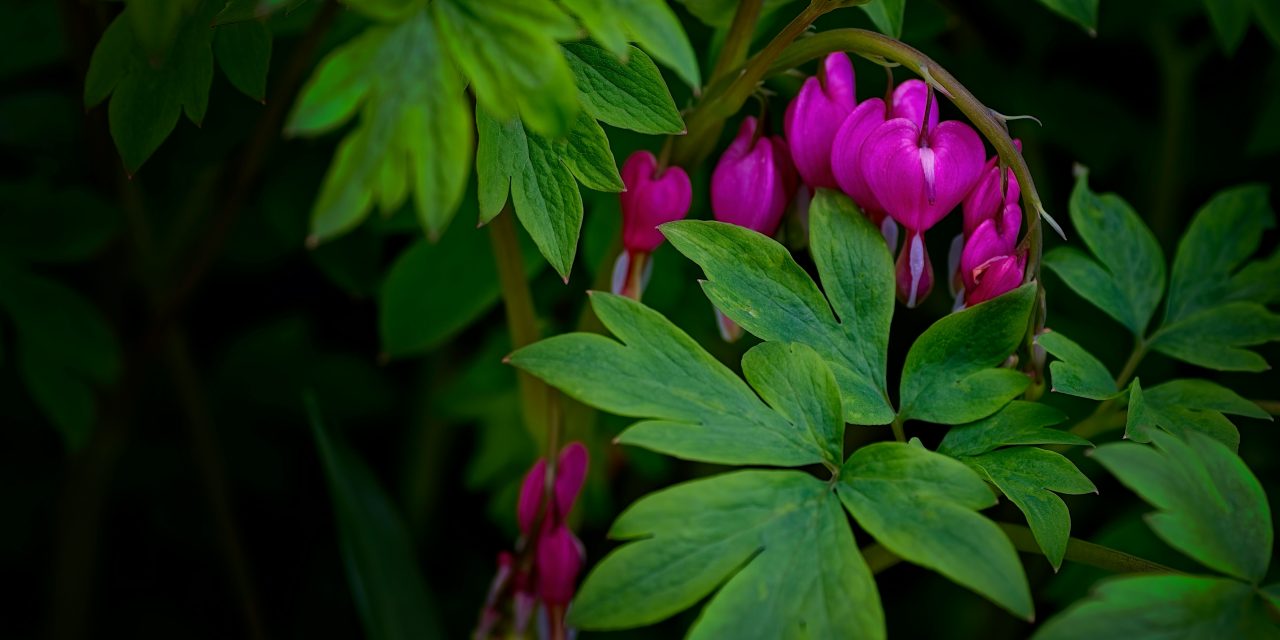
Bleeding heart flowers, scientifically known as Dicentra, are perennial plants that have captured the hearts of gardeners and floral enthusiasts alike. Their unique heart-shaped blossoms, often in shades of pink and white, evoke a sense of whimsy and romance, making them a staple in many gardens. These enchanting plants thrive in shaded areas, providing a splash of color during the spring months when many other flowers have yet to bloom. The allure of bleeding hearts lies not only in their striking appearance but also in their ability to evoke nostalgia and a sense of tranquility in garden spaces.
The genus Dicentra encompasses several species, each with its own distinct characteristics and charm. From the classic Dicentra spectabilis to the more exotic varieties like Dicentra peregrina, these plants offer a diverse range of options for gardeners looking to create a serene and visually appealing landscape. Their delicate foliage and unique flower structure make them an excellent choice for shaded garden beds, woodland gardens, or as companions to other shade-loving plants. As we delve deeper into the various species of bleeding hearts, we will explore their individual traits, growing conditions, and how they can enhance your garden’s aesthetic.
The Classic Dicentra Spectabilis: Traditional Elegance
Dicentra spectabilis, commonly known as the classic bleeding heart, is perhaps the most recognized species within this genus. This perennial plant is characterized by its arching stems adorned with clusters of heart-shaped flowers that dangle gracefully from the branches. The blooms typically emerge in shades of pink, with some cultivars showcasing pure white flowers. The foliage is equally captivating, featuring fern-like leaves that provide a lush backdrop for the stunning blossoms.
This species thrives in well-drained soil enriched with organic matter and prefers partial to full shade. It is essential to maintain consistent moisture levels, as bleeding hearts are sensitive to drought conditions. In terms of height, Dicentra spectabilis can reach up to 36 inches, making it an excellent choice for creating focal points in shaded areas or as part of a mixed border. The blooming period typically occurs from late spring to early summer, providing a burst of color when many other plants are just beginning to awaken from their winter slumber.
Dicentra Formosa: The Western Bleeding Heart’s Charm

Dicentra formosa, also known as the western bleeding heart, is native to the Pacific Northwest and is celebrated for its charming appearance and adaptability. This species features smaller flowers compared to its classic counterpart but compensates with an abundance of blooms that create a stunning display. The flowers are typically pink or lavender and are borne on slender stems that rise above the lush green foliage.
One of the standout features of Dicentra formosa is its ability to thrive in various soil types, including sandy or rocky soils, making it an excellent choice for gardeners in diverse regions. This species prefers partial shade but can tolerate full sun if provided with adequate moisture. The western bleeding heart typically reaches heights of 12 to 18 inches, making it suitable for ground cover or as an understory plant in woodland gardens. Its blooming period extends from late spring through early summer, providing a delightful contrast to other shade-loving plants.
Lamprocapnos Cora: A Modern Twist on a Classic

Lamprocapnos cora, formerly classified under the Dicentra genus, represents a modern twist on the traditional bleeding heart flower. This species showcases unique bi-colored blooms that transition from pink to white, creating a visually striking effect that captivates onlookers. The flowers are arranged in elegant clusters along arching stems, reminiscent of the classic bleeding heart but with a contemporary flair.
This variety thrives in similar conditions as its predecessors, preferring well-drained soil and partial shade. Lamprocapnos cora typically reaches heights of 24 to 30 inches and can be used effectively as a focal point in garden beds or as part of a mixed planting scheme. Its blooming period aligns with other bleeding hearts, offering vibrant color during late spring and early summer. Gardeners appreciate this variety for its unique aesthetic appeal and adaptability to various garden settings.
Dicentra Eximia: The Fringed Bleeding Heart’s Unique Appeal
Dicentra eximia, commonly referred to as the fringed bleeding heart, stands out due to its finely dissected foliage and delicate flowers. This species features smaller blooms compared to other bleeding hearts but compensates with an abundance of flowers that create a soft and ethereal appearance in the garden. The blooms are typically yellowish-pink and are borne on slender stems that rise above the lush green foliage.
The fringed bleeding heart is particularly well-suited for woodland gardens or shaded areas where it can thrive in moist, well-drained soil. It prefers partial shade but can tolerate full shade conditions as well. Reaching heights of 12 to 18 inches, Dicentra eximia makes an excellent choice for ground cover or as an understory plant beneath taller shrubs or trees. Its blooming period extends from late spring through early summer, providing a gentle touch of color that complements other shade-loving plants.
Dicentra Cucullaria: Dutchman’s Breeches in Your Garden
Dicentra cucullaria, commonly known as Dutchman’s breeches, is another captivating member of the bleeding heart family. This species is characterized by its unique flower shape resembling a pair of breeches hanging upside down. The delicate white flowers are borne on slender stems above finely divided foliage that adds texture to the garden.
Dutchman’s breeches thrive in rich, well-drained soil and prefer partial to full shade conditions. This species typically reaches heights of 8 to 12 inches, making it an excellent choice for ground cover or as part of a woodland garden design. Its blooming period occurs in early spring, often before many other plants have begun to emerge from dormancy. The unique flower shape and delicate appearance make Dicentra cucullaria a delightful addition to any shade garden.
Dicentra Peregrina: Exotic Beauty for Enthusiasts
Dicentra peregrina is an exotic species that appeals to gardening enthusiasts seeking something unique for their landscapes. Native to Japan and Korea, this variety features striking red flowers that dangle gracefully from arching stems. The blooms are larger than those of many other bleeding hearts and create a dramatic visual impact in any garden setting.
This species thrives in well-drained soil enriched with organic matter and prefers partial shade conditions. Dicentra peregrina typically reaches heights of 18 to 24 inches and can be used effectively as a focal point or as part of a mixed planting scheme. Its blooming period occurs from late spring through early summer, providing vibrant color when many other plants are just beginning to bloom. Gardeners appreciate this variety for its exotic appearance and adaptability to various garden settings.
Growing Conditions: How to Care for Bleeding Heart Plants
To ensure the health and vitality of bleeding heart plants, it is essential to provide optimal growing conditions tailored to their specific needs. These perennials thrive best in well-drained soil enriched with organic matter such as compost or aged manure. A slightly acidic to neutral pH level is ideal for promoting healthy root development.
Bleeding hearts prefer partial shade but can tolerate full sun if provided with adequate moisture levels. Regular watering is crucial during dry spells; however, overwatering should be avoided as it can lead to root rot. Mulching around the base of the plants helps retain moisture while suppressing weeds that may compete for nutrients.
Fertilization should be done sparingly; a balanced fertilizer applied in early spring can promote healthy growth without overwhelming the plants. Pruning spent blooms after flowering encourages new growth and may extend the blooming period for some varieties.
Combining Bleeding Hearts with Other Shade Garden Plants
Bleeding hearts make excellent companions for various shade-loving plants, creating harmonious combinations that enhance the overall aesthetic of your garden. Pairing them with ferns such as Japanese painted fern (Athyrium niponicum) or lady fern (Athyrium filix-femina) adds texture and contrast while maintaining a lush green backdrop.
Other suitable companions include hostas, which provide bold foliage contrasts against the delicate blooms of bleeding hearts. Astilbes offer feathery plumes that complement the heart-shaped flowers beautifully while thriving in similar moisture-rich environments. Additionally, incorporating shade-tolerant annuals like impatiens or begonias can provide continuous color throughout the growing season.
When designing your shade garden, consider varying heights and textures among your plant selections to create visual interest while ensuring that all plants receive adequate light and moisture.
Seasonal Interest: Extending the Bloom Time
To maximize seasonal interest in your garden featuring bleeding hearts, consider incorporating companion plants that bloom at different times throughout the growing season. While bleeding hearts typically bloom from late spring through early summer, pairing them with early bloomers like crocuses or snowdrops can provide color before their arrival.
As bleeding hearts begin to fade in mid-summer, consider introducing late-blooming perennials such as hostas or astilbes that will continue to provide visual appeal throughout the warmer months. Additionally, incorporating fall-blooming plants like asters or chrysanthemums ensures that your garden remains vibrant even as temperatures begin to cool.
By thoughtfully selecting companion plants with staggered bloom times and varying heights, you can create a dynamic landscape that offers continuous interest throughout the seasons.
Choosing the Perfect Bleeding Heart for Your Garden
In conclusion, bleeding heart flowers offer an enchanting addition to any garden space with their unique charm and delicate beauty. With various species available—from the classic Dicentra spectabilis to the exotic Dicentra peregrina—gardeners have ample options for creating stunning displays in shaded areas.
When selecting the perfect bleeding heart for your garden, consider factors such as bloom color, height, and growing conditions to ensure compatibility with your existing landscape design. By providing optimal care and thoughtfully combining these perennials with other shade-loving plants, you can create a serene oasis filled with vibrant colors and textures that will delight both you and your visitors throughout the growing season.
In summary, bleeding hearts are not only visually appealing but also versatile plants that can enhance any shaded garden setting while providing seasonal interest year-round.
FAQs
What is a bleeding heart flower plant?
The bleeding heart flower plant, scientifically known as Dicentra spectabilis, is a perennial flowering plant native to Asia and North America. It is known for its unique heart-shaped flowers that dangle from arching stems, typically blooming in shades of pink and white during the spring and early summer.
How do you care for a bleeding heart flower plant?
To care for a bleeding heart flower plant, it is important to provide it with partial to full shade and well-drained, moist soil. Regular watering is essential, especially during dry spells. Fertilizing in early spring with a balanced fertilizer can promote healthy growth, and deadheading spent flowers can encourage further blooming.
When does the bleeding heart flower plant bloom?
The bleeding heart flower plant typically blooms in late spring to early summer, usually from April to June, depending on the climate and growing conditions. The flowers can last for several weeks, adding vibrant color to gardens during this period.
Are bleeding heart flowers toxic to pets?
Yes, bleeding heart flowers are considered toxic to pets, particularly cats and dogs. The plant contains compounds that can cause symptoms such as vomiting, diarrhea, and lethargy if ingested. It is advisable to keep pets away from the plant to prevent any potential health issues.
Can bleeding heart flower plants be grown in containers?
Yes, bleeding heart flower plants can be successfully grown in containers. When planting in pots, ensure that the container has adequate drainage holes and use a high-quality potting mix. This allows for proper root growth and moisture retention, making it a suitable option for patios or small gardens.