Pet stains on upholstery can manifest in various forms, each requiring a tailored approach for effective removal. The most common types include urine, feces, vomit, and saliva. Urine stains are particularly notorious due to their potential to penetrate deep into fabric fibers, leading to persistent odors and discoloration. Fecal matter presents its own challenges, often resulting in both staining and a significant hygiene concern. Vomit can contain food particles and digestive enzymes that may leave behind unsightly marks and unpleasant smells. Saliva, while less damaging, can still cause staining, especially if it mixes with food residues.
Understanding the composition of these stains is crucial for effective treatment. For instance, urine contains urea, creatinine, and uric acid, which can crystallize and become more difficult to remove over time if not addressed promptly. Feces contain bacteria and other pathogens that can pose health risks if not cleaned properly. Vomit can be acidic, potentially damaging certain fabrics if left untreated. Recognizing these differences allows pet owners to choose the most appropriate cleaning methods and products for each specific type of stain.
Immediate Steps to Take After a Pet Accident
When a pet accident occurs, immediate action is paramount to minimize damage to upholstery. The first step is to remain calm and avoid scolding the pet, as this can lead to anxiety and further accidents. Quickly assess the situation and gather necessary cleaning supplies before addressing the stain. The sooner you act, the better your chances of completely removing the stain and odor.
Begin by blotting the area with a clean cloth or paper towel to absorb as much moisture as possible. Avoid rubbing the stain, as this can push it deeper into the fabric fibers. Instead, gently press down on the affected area to lift the liquid away. If the stain is solid, such as feces or vomit, carefully remove any solid matter with a plastic scraper or spoon before proceeding with blotting. Once you have absorbed as much of the stain as possible, you can move on to more thorough cleaning methods.
Essential Cleaning Supplies for Upholstery Stain Removal

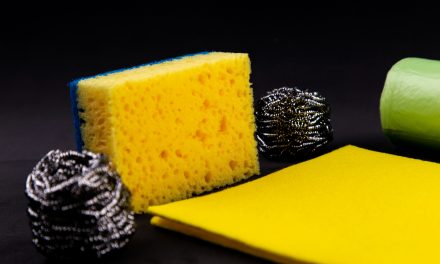
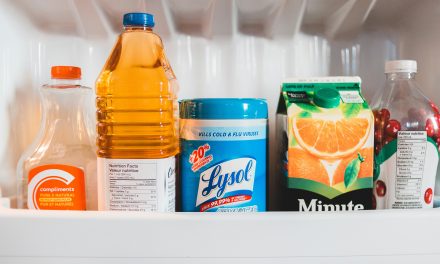
Equipping yourself with the right cleaning supplies is essential for effective upholstery maintenance. A well-stocked cleaning kit should include several key items:
1. **Absorbent Cloths**: Microfiber cloths are ideal for blotting stains without leaving lint behind.
2. **Paper Towels**: These are useful for quick clean-ups and initial blotting.
3. **Spray Bottles**: For homemade cleaning solutions or commercial cleaners.
4. **Enzymatic Cleaners**: Specifically designed to break down organic stains and odors.
5. **Baking Soda**: A natural deodorizer that can help neutralize odors.
6. **White Vinegar**: Effective for breaking down stains and odors due to its acidic nature.
7. **Dish Soap**: A gentle cleaner that can help lift stains without damaging fabric.
8. **Rubber Gloves**: To protect your hands during the cleaning process.
Having these supplies readily available will streamline your cleaning efforts and ensure you are prepared for any pet-related mishaps.
How to Blot and Absorb Moisture Effectively

Blotting is a critical technique in stain removal that requires a specific approach for maximum effectiveness. Start by using an absorbent cloth or paper towel to gently press down on the stain, allowing it to soak up moisture without spreading it further. It is essential to work from the outside of the stain toward the center to prevent it from expanding.
For optimal results, alternate between blotting with a dry cloth and applying a small amount of water or cleaning solution to the stained area. This method helps lift the stain while keeping the fabric damp enough for effective cleaning. Remember to change cloths frequently to avoid reapplying dirt or stain residue back onto the upholstery.
In cases of particularly stubborn stains, consider using a gentle scrubbing motion with a soft-bristled brush after initial blotting. This can help dislodge particles trapped within the fabric fibers without causing damage.
Using Homemade Solutions for Stain Treatment
Homemade cleaning solutions can be highly effective for treating pet stains on upholstery while being cost-effective and environmentally friendly. One popular recipe involves mixing equal parts white vinegar and water in a spray bottle. This solution can be sprayed directly onto the stain and allowed to sit for several minutes before blotting with a clean cloth.
Another effective homemade remedy combines baking soda with water to create a paste that can be applied directly to stubborn stains. Allow the paste to dry completely before vacuuming it away; this method not only helps lift stains but also neutralizes odors.
For greasy stains, a mixture of dish soap and warm water can be beneficial. Apply a small amount of this solution to the stained area, gently scrub with a soft brush, and then blot with a clean cloth until the stain is lifted.
Commercial Upholstery Cleaners: What to Look For
When selecting commercial upholstery cleaners, it is essential to choose products specifically formulated for pet stains. Look for enzymatic cleaners that contain live bacteria or enzymes designed to break down organic matter found in urine, feces, and vomit. These cleaners are particularly effective at eliminating odors at their source rather than merely masking them.
Additionally, consider products that are safe for your specific type of upholstery fabric. Always check labels for compatibility with synthetic or natural fibers before application. Non-toxic and biodegradable options are preferable for households with pets and children.
Lastly, read customer reviews and seek recommendations from trusted sources to ensure you select a reputable product that delivers on its promises.
Techniques for Deep Cleaning Upholstery Fabric
Deep cleaning upholstery fabric requires a more intensive approach than standard spot cleaning methods. Begin by vacuuming the entire surface of the upholstery using an upholstery attachment to remove loose dirt, hair, and debris. This step is crucial as it prepares the fabric for deeper cleaning by eliminating surface contaminants.
Next, consider using a steam cleaner designed for upholstery fabrics. Steam cleaning utilizes high-temperature steam to penetrate deep into fibers, effectively loosening dirt and stains while sanitizing the surface. Ensure that your upholstery is compatible with steam cleaning before proceeding.
For fabrics that cannot withstand steam cleaning, consider using a carpet cleaner with an upholstery attachment or hiring a professional service specializing in upholstery care. These methods provide thorough cleaning while preserving the integrity of your furniture.
Removing Odors Alongside Stains
Addressing odors is just as important as removing visible stains when it comes to pet accidents on upholstery. After treating the stain itself, apply baking soda liberally over the affected area once it has dried completely. Baking soda acts as a natural deodorizer by absorbing unpleasant smells over time.
Allow the baking soda to sit for several hours or overnight before vacuuming it away thoroughly. This method not only neutralizes odors but also leaves your upholstery smelling fresh.
For persistent odors that do not respond to baking soda treatment, consider using an enzymatic cleaner specifically designed for odor elimination. These products work by breaking down odor-causing compounds at a molecular level, providing long-lasting freshness.
When to Use Enzymatic Cleaners for Pet Stains
Enzymatic cleaners are particularly beneficial when dealing with organic stains from pets due to their unique ability to break down complex compounds found in urine, feces, vomit, and saliva. These cleaners contain specific enzymes that target proteins and other organic materials responsible for both staining and odor.
It is advisable to use enzymatic cleaners immediately after an accident occurs for optimal results; however, they can also be effective on older stains if applied correctly. Follow the manufacturer’s instructions regarding application methods and dwell times for best outcomes.
Keep in mind that enzymatic cleaners require moisture to activate their cleaning properties; therefore, ensure that the stained area remains damp during treatment for maximum efficacy.
Preventing Future Pet Accidents on Upholstery
Preventing future accidents on upholstery begins with understanding your pet’s behavior and needs. Regularly scheduled bathroom breaks can significantly reduce the likelihood of indoor accidents; ensure your pet has ample opportunities to relieve themselves outside.
Additionally, consider using protective covers or slipcovers on furniture that may be prone to staining from pets. These removable covers can be easily washed or replaced if accidents occur.
Training your pet through positive reinforcement techniques can also help mitigate accidents indoors. Rewarding desired behaviors encourages pets to develop good habits over time.
Professional Cleaning Options and When to Call Them
While many pet owners can manage minor accidents independently, there are instances when professional cleaning services become necessary. If you encounter persistent stains or odors that do not respond to home remedies or commercial cleaners, it may be time to consult professionals specializing in upholstery care.
Professional cleaners possess advanced equipment and expertise in handling various fabrics and stains effectively without causing damage. They can also provide deep cleaning services that go beyond standard maintenance, ensuring your upholstery remains in optimal condition.
In summary, understanding pet stains on upholstery involves recognizing their types and taking immediate action when accidents occur. Equipping yourself with essential cleaning supplies enables effective treatment using both homemade solutions and commercial products tailored for pet-related issues. Deep cleaning techniques and odor removal strategies further enhance your efforts in maintaining clean upholstery while preventing future accidents through proactive measures is crucial for pet owners seeking long-term solutions.