When it comes to paint stains on carpets, understanding the types of paint and carpet fibers is crucial for effective removal. Paint can be categorized into two primary types: water-based and oil-based. Water-based paints, such as acrylics and latex, are commonly used due to their ease of application and quick drying times. These paints are typically easier to remove from carpets because they can be dissolved with water and mild detergents. On the other hand, oil-based paints contain solvents that make them more durable but also more challenging to clean up. They require specific solvents for removal, which can pose a risk to carpet fibers if not handled correctly.
Carpet fibers also vary significantly, with common materials including nylon, polyester, wool, and olefin. Each fiber type has unique properties that affect how it reacts to stains and cleaning agents. For instance, nylon is known for its resilience and stain resistance, while wool is more delicate and can be damaged by harsh chemicals. Understanding these differences is essential for selecting the appropriate cleaning method and ensuring that the carpet remains intact during the stain removal process.
The first step in addressing a paint stain is assessing its condition—whether it is fresh or dried. Fresh paint stains are typically easier to remove because they have not yet set into the fibers of the carpet. If you notice a spill immediately, prompt action can prevent the paint from penetrating deeper into the carpet pile. In this case, gently blotting the area with a clean cloth or paper towel can help lift excess paint without spreading it further.
Conversely, dried paint stains present a more significant challenge. Once paint has dried, it adheres firmly to the carpet fibers, making removal more complex. In such instances, it may be necessary to employ solvents or specialized cleaning agents designed to break down the paint’s chemical structure. Assessing the age of the stain will guide your approach, determining whether you should use gentle methods or more aggressive techniques.
Preparing Your Workspace and Gathering Supplies
Before embarking on the paint removal process, it is essential to prepare your workspace adequately. Start by clearing the area around the stained carpet to ensure you have ample room to work without obstruction. This preparation minimizes the risk of accidentally spreading the stain or damaging surrounding areas. Additionally, consider placing a protective covering over adjacent surfaces to prevent any accidental spills during the cleaning process.
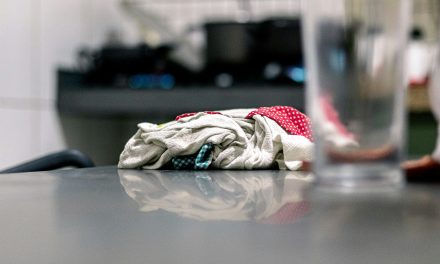
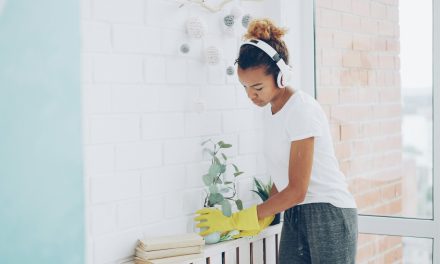
Gathering the right supplies is equally important for effective stain removal. Essential items include clean white cloths or paper towels, a bucket of warm water, mild dish soap, a soft-bristle brush, and appropriate solvents for oil-based paints, such as mineral spirits or acetone. It is also advisable to have gloves on hand to protect your skin from harsh chemicals and a mask if you are working with strong solvents. Having these supplies ready will streamline the process and enhance your chances of successfully removing the paint stain.
Testing a Small Area for Colorfastness
Before applying any cleaning solution directly to the stained area, it is prudent to test a small, inconspicuous section of the carpet for colorfastness. This step ensures that the cleaning agent will not cause discoloration or damage to the carpet fibers. To conduct this test, apply a small amount of the chosen cleaning solution to a hidden area using a clean cloth or cotton swab. Allow it to sit for a few minutes before blotting it with a dry cloth.
After testing, examine the area for any signs of fading or color change. If there is no adverse reaction, you can proceed with confidence to treat the paint stain. However, if discoloration occurs, consider using a milder solution or seeking alternative methods for stain removal that are less likely to affect the carpet’s color integrity.
Removing Water-Based Paint from Carpet
Removing water-based paint from carpets is generally more straightforward than tackling oil-based varieties. Begin by gently blotting the stain with a clean cloth or paper towel to absorb as much excess paint as possible without rubbing it in further. Next, prepare a cleaning solution by mixing warm water with a few drops of mild dish soap in a bucket.
Using a soft-bristle brush or cloth, apply the soapy water directly onto the stained area. Work from the outside of the stain toward the center to prevent spreading. Blot frequently with a clean cloth to lift the paint from the fibers. Rinse the area with clean water afterward to remove any soap residue, as leftover detergent can attract dirt over time.
Techniques for Removing Oil-Based Paint Safely
Oil-based paints require a different approach due to their chemical composition and adherence properties. Start by carefully scraping away any excess dried paint using a plastic scraper or credit card—avoid metal tools that could damage carpet fibers. Once you have removed as much paint as possible, apply a solvent such as mineral spirits or acetone to a clean cloth.
Gently dab the solvent onto the stained area without saturating it; excessive moisture can lead to further damage. Allow the solvent to sit for several minutes to penetrate and break down the paint’s structure before blotting with a dry cloth. Repeat this process until no further paint transfers onto your cloth. Always ensure proper ventilation when using solvents and follow safety precautions outlined on product labels.
Using Solvents Without Damaging Carpet Fibers
While solvents are effective for removing stubborn oil-based paints, they must be used cautiously to avoid damaging carpet fibers. Always opt for solvents specifically designed for carpet cleaning and avoid harsh chemicals that could lead to discoloration or degradation of fibers. When applying solvents, use them sparingly; saturating the carpet can lead to shrinkage or warping.
Additionally, always test solvents on an inconspicuous area first to assess their impact on colorfastness and fiber integrity. If you notice any adverse reactions during testing, discontinue use immediately and seek alternative methods for stain removal that are safer for your specific carpet type.
Blotting and Lifting Paint Stains Effectively
Effective blotting techniques are crucial in lifting paint stains without causing further damage to carpet fibers. When blotting, use a clean white cloth or paper towel—colored materials may transfer dye onto your carpet. Gently press down on the stained area rather than rubbing it; this technique helps absorb moisture without pushing paint deeper into the fibers.
Work in small sections and frequently switch to clean areas of your cloth to avoid reapplying paint onto the carpet. Patience is key; it may take several attempts before achieving satisfactory results. If necessary, alternate between blotting with cleaning solutions and rinsing with clean water until no further paint transfers onto your cloth.
Avoiding Common Mistakes That Damage Carpet
Several common mistakes can hinder successful paint removal efforts and potentially damage carpets in the process. One significant error is using excessive force when scrubbing stains; this can fray or break carpet fibers, leading to permanent damage. Instead of scrubbing vigorously, focus on gentle blotting techniques that lift stains without harming fibers.
Another mistake is neglecting proper ventilation when using solvents; inadequate airflow can lead to inhalation of harmful fumes and increase risks associated with chemical exposure. Always ensure windows are open or use fans to circulate air while working with volatile substances.
Lastly, failing to rinse thoroughly after cleaning can leave behind residues that attract dirt over time, leading to further staining issues down the line. Always rinse cleaned areas with clean water after treatment and blot dry with a clean cloth.
Cleaning Up Residue and Restoring Carpet Texture
Once you have successfully removed paint stains from your carpet, it is essential to clean up any remaining residue and restore texture for optimal appearance. Begin by rinsing the treated area thoroughly with clean water; this step removes any leftover cleaning agents that could attract dirt or cause discoloration over time.
After rinsing, use a clean towel or cloth to blot excess moisture from the carpet fibers gently. To restore texture, consider using a soft-bristle brush to fluff up any flattened areas caused by cleaning efforts. This technique helps maintain an even appearance across your carpet while ensuring that fibers remain intact.
When to Call a Professional for Paint Removal
While many paint stains can be addressed through DIY methods, certain situations warrant professional intervention. If you encounter particularly stubborn stains that resist all removal attempts or if you are dealing with extensive damage across large areas of carpeting, enlisting professional services may be necessary.
Additionally, if you are uncertain about which cleaning agents are safe for your specific carpet type or if you lack confidence in executing stain removal techniques effectively, seeking professional help can save time and prevent further damage. Professionals possess specialized tools and expertise that enable them to tackle even the most challenging stains while preserving carpet integrity.
In summary, understanding various types of paints and carpets is essential for effective stain removal strategies. Assessing whether stains are fresh or dried guides your approach while preparing your workspace ensures efficiency during cleanup efforts. Testing colorfastness prevents unwanted discoloration during treatment processes involving solvents or cleaning agents.
Employing appropriate techniques tailored specifically for water-based versus oil-based paints maximizes success rates while minimizing risks associated with damaging delicate fibers within carpets themselves—especially when utilizing solvents safely without compromising structural integrity overall! By avoiding common mistakes throughout this process—such as excessive scrubbing or neglecting proper ventilation—you’ll achieve optimal results while maintaining cleanliness long-term!