Pet urine odors are a common nuisance for pet owners, often leading to frustration and embarrassment. The primary source of these odors is the presence of urea, uric acid, creatinine, and ammonia, which are byproducts of protein metabolism. When pets urinate, these compounds can seep into various surfaces, including carpets, upholstery, and hardwood floors. Over time, the breakdown of these substances can lead to persistent and unpleasant smells that are difficult to eliminate.
The intensity of pet urine odors can vary based on several factors, including the age of the stain, the type of surface affected, and the pet’s diet. For instance, a diet high in protein can result in stronger-smelling urine. Additionally, older stains tend to be more challenging to remove due to the crystallization of uric acid, which can remain dormant until exposed to moisture. Understanding these components is crucial for effectively addressing and eliminating pet urine odors.
Identifying Areas Affected by Old Pet Urine
Before embarking on a cleaning regimen, it is essential to identify all areas affected by old pet urine. This process often involves a thorough inspection of your home, focusing on areas where pets frequently urinate. Common locations include carpets, rugs, upholstery, and even walls or baseboards near litter boxes or pet beds.
To accurately locate urine stains, consider using a black light, which can reveal dried urine that is otherwise invisible to the naked eye. When illuminated under UV light, urine stains will fluoresce, allowing you to pinpoint the exact locations that require attention. Mark these areas for cleaning to ensure no spots are overlooked during the treatment process.
Choosing the Right Cleaning Supplies and Enzymatic Cleaners

Selecting appropriate cleaning supplies is vital for effectively removing pet urine odors and stains. Traditional cleaning products may mask odors temporarily but often fail to eliminate the underlying causes. Instead, enzymatic cleaners are highly recommended for their ability to break down the organic compounds found in pet urine.
Enzymatic cleaners contain specific enzymes that target urea and uric acid, breaking them down into harmless substances. When choosing a cleaner, look for products specifically formulated for pet stains and odors. Additionally, consider eco-friendly options that are safe for both pets and humans. Always read labels carefully to ensure that the product is suitable for the surfaces you intend to clean.
Preparing the Area for Cleaning

Preparation is key when tackling pet urine stains and odors. Begin by removing any furniture or items from the affected area to provide unobstructed access for cleaning. If possible, vacuum carpets or rugs to remove loose debris and hair that may interfere with the cleaning process.
Next, blot up any excess moisture from recent accidents using paper towels or absorbent cloths. Avoid rubbing the area, as this can push the urine deeper into the fibers or surface material. Once you have prepared the area, follow the instructions on your chosen enzymatic cleaner for optimal results.
Techniques for Removing Urine Stains from Carpets and Rugs
When it comes to carpets and rugs, effective stain removal techniques are essential for restoring cleanliness and freshness. Begin by applying an enzymatic cleaner directly onto the stained area, ensuring it saturates the fibers thoroughly. Allow the cleaner to sit for the recommended time specified on the product label; this allows enzymes to break down the odor-causing compounds effectively.
Afterward, blot the area with clean cloths or paper towels to absorb excess moisture. Repeat this process as necessary until no further staining or odor is detected. For stubborn stains that persist despite cleaning efforts, consider using a carpet extractor or steam cleaner equipped with an appropriate cleaning solution designed for pet stains.
Cleaning Urine Odors from Hardwood and Tile Floors
Hardwood and tile floors require a different approach due to their unique materials. For hardwood surfaces, it is crucial to act quickly to prevent moisture damage. Begin by blotting up any excess urine with absorbent cloths. Then, apply an enzymatic cleaner specifically formulated for hardwood floors, following the manufacturer’s instructions.
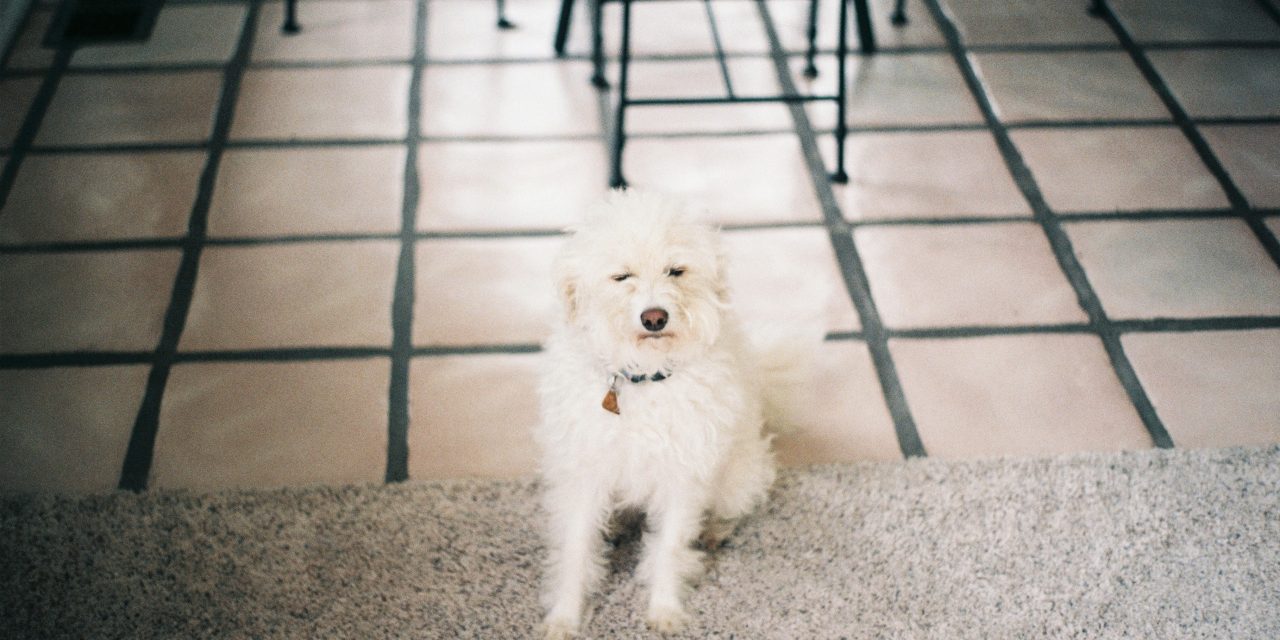
For tile floors, start by mopping up any visible urine with a damp cloth or mop. Afterward, apply an enzymatic cleaner to the affected area and allow it to sit for several minutes before wiping it away with a clean cloth or mop. Ensure that all residues are removed to prevent lingering odors.
Treating Upholstery and Fabric Items Affected by Pet Urine
Upholstered furniture can be particularly challenging when it comes to pet urine odors. Begin by identifying any visible stains and blotting them with absorbent cloths to remove excess moisture. Next, apply an enzymatic cleaner suitable for upholstery according to the product instructions.
For fabric items that are machine washable, consider washing them according to care instructions after treating them with an enzymatic cleaner. For non-washable items, use a soft brush or cloth to work the cleaner into the fabric gently. Allow sufficient time for drying before using the furniture again.
Using Natural Remedies to Neutralize Odors
In addition to commercial enzymatic cleaners, several natural remedies can effectively neutralize pet urine odors. One popular option is a mixture of white vinegar and water in equal parts. This solution can be sprayed onto affected areas and allowed to sit before blotting it up with a clean cloth.
Baking soda is another effective natural deodorizer; sprinkle it generously over stained areas after cleaning with vinegar or an enzymatic cleaner. Allow it to sit overnight before vacuuming it up to absorb any remaining odors. Essential oils such as lavender or tea tree oil can also be added to cleaning solutions for their pleasant scents and antibacterial properties.
Preventing Future Pet Accidents in Your Home
Preventing future accidents is crucial for maintaining a clean home environment. Start by establishing a consistent routine for taking your pet outside or providing access to litter boxes at regular intervals. Positive reinforcement training can also encourage desired behaviors in pets.
Consider using pet deterrents in areas where accidents frequently occur; these may include sprays or mats designed to discourage pets from returning to those spots. Additionally, ensure that your pet has access to appropriate outlets for their energy through regular exercise and playtime.
When to Call Professional Cleaning Services
While many pet owners can manage minor accidents independently, there are instances when professional cleaning services may be necessary. If you find persistent odors or stains that do not respond to home cleaning efforts, it may be time to seek expert assistance.
Professional cleaners possess specialized equipment and products designed for deep cleaning carpets, upholstery, and hard surfaces affected by pet urine. They can also provide valuable advice on preventing future accidents based on their experience with similar situations.
Maintaining a Fresh-Smelling Home After Urine Removal
Once you have successfully removed pet urine odors from your home, maintaining a fresh-smelling environment is essential. Regular cleaning routines should include vacuuming carpets and upholstery frequently while using air purifiers equipped with HEPA filters to reduce airborne allergens and odors.
Consider incorporating odor-neutralizing products into your cleaning regimen, such as baking soda or essential oil diffusers. Additionally, ensure proper ventilation throughout your home by opening windows when weather permits; this helps circulate fresh air and reduce lingering smells.
In summary, addressing pet urine odors requires a comprehensive understanding of their sources and effective cleaning techniques tailored to various surfaces within your home. By utilizing enzymatic cleaners, natural remedies, and preventive measures, you can maintain a clean and fresh-smelling environment while ensuring your pets feel comfortable in their living space.