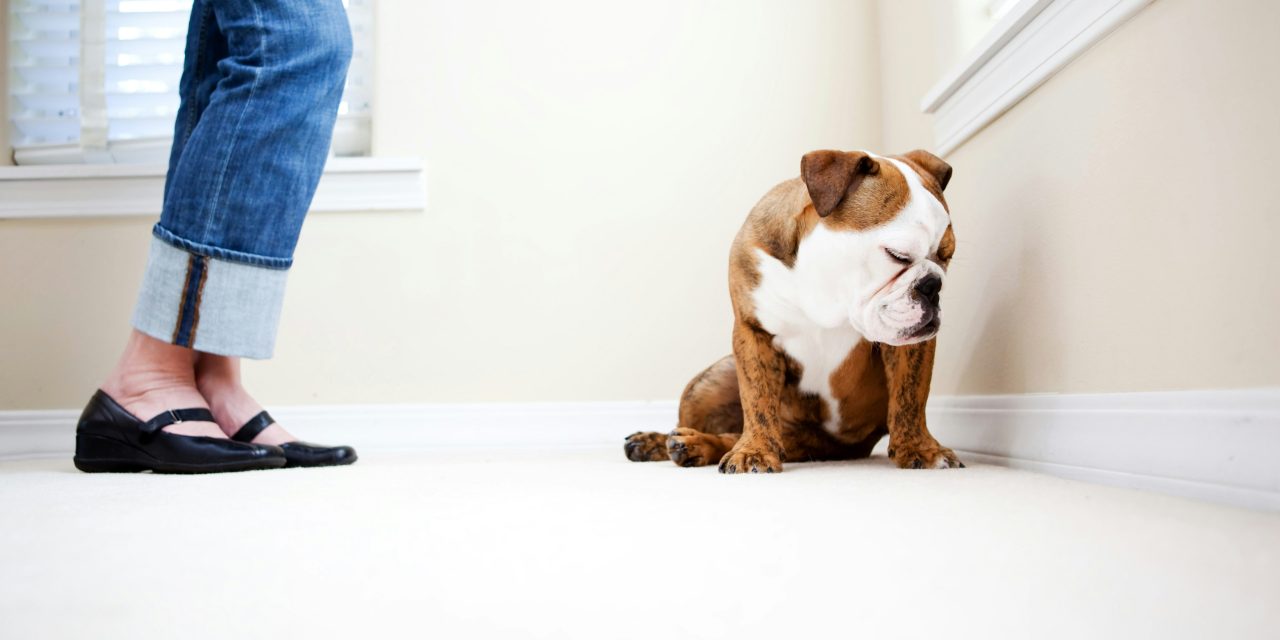
Pet ownership brings immense joy, companionship, and love into our lives. However, it also presents unique challenges, particularly when it comes to maintaining a clean living environment. Pet stains, whether from urine, feces, vomit, or other bodily fluids, can pose significant cleaning challenges. These stains not only mar the aesthetic appeal of carpets, upholstery, and flooring but can also lead to lingering odors and potential health hazards if not addressed promptly and effectively.
The presence of pet stains can be particularly problematic for households with young children or individuals with allergies. Traditional cleaning methods often fall short in completely eliminating both the stain and the odor, leading to recurring issues. As a result, pet owners are increasingly seeking specialized cleaning solutions that can effectively tackle these stubborn stains while ensuring the safety of their furry companions.
Understanding Enzyme Cleaners: How They Work
Enzyme cleaners are a specialized category of cleaning products designed to break down organic matter through biochemical processes. These cleaners contain specific enzymes that target proteins, fats, and carbohydrates found in pet stains. When applied to a stain, the enzymes catalyze reactions that decompose the organic material into smaller, more manageable components. This process not only aids in stain removal but also neutralizes odors at their source.
The effectiveness of enzyme cleaners lies in their specificity. Different enzymes target different types of organic materials. For instance, proteases break down proteins, lipases tackle fats, and amylases address carbohydrates. This targeted approach ensures that the cleaner is not only effective but also minimizes damage to surrounding materials. Furthermore, enzyme cleaners are often biodegradable and environmentally friendly, making them a preferred choice for conscientious consumers.
What Are Regular Cleaners? Composition and Uses

Regular cleaners encompass a broad range of household cleaning products that may include detergents, bleach, and all-purpose cleaners. These products typically contain surfactants, solvents, and various chemical agents designed to lift dirt and stains from surfaces. While effective for general cleaning tasks, regular cleaners may not be specifically formulated to address the unique challenges posed by pet stains.
The composition of regular cleaners varies widely depending on their intended use. For example, all-purpose cleaners often contain surfactants that help emulsify oils and dirt, while bleach-based products utilize sodium hypochlorite to disinfect surfaces. However, these conventional cleaning agents may not effectively neutralize odors or break down organic matter associated with pet stains. Consequently, pet owners may find themselves needing to apply multiple products or resorting to more aggressive cleaning methods that could damage surfaces or fabrics.
The Science Behind Enzyme Cleaners for Pet Stains

The science behind enzyme cleaners is rooted in biochemistry and microbiology. Enzymes are biological catalysts that accelerate chemical reactions without being consumed in the process. In the context of cleaning, these enzymes work by binding to specific substrates—such as the proteins found in pet urine—and facilitating their breakdown into simpler compounds.
When an enzyme cleaner is applied to a pet stain, it penetrates the material and begins to work immediately. The enzymes hydrolyze the bonds within the organic matter, effectively breaking it down into harmless byproducts such as carbon dioxide and water. This enzymatic action not only removes the stain but also eliminates the odor-causing compounds that can linger long after the visible stain has been cleaned.
Moreover, enzyme cleaners are often formulated with additional ingredients that enhance their effectiveness. For instance, some products may include surfactants that help lift stains from surfaces or odor-neutralizing agents that further combat unpleasant smells. This combination of enzymatic action and complementary ingredients makes enzyme cleaners a powerful solution for tackling pet-related messes.
Effectiveness of Regular Cleaners on Pet Stains
While regular cleaners can be effective for general cleaning tasks, their efficacy against pet stains is often limited. Many conventional cleaning products rely on harsh chemicals that may mask odors rather than eliminate them at the source. For example, bleach can temporarily remove visible stains but does not address the underlying organic material responsible for persistent odors.
Additionally, regular cleaners may inadvertently set stains if not used correctly. For instance, using hot water on a protein-based stain can cause it to coagulate and bond more firmly to the fabric or surface. This can make subsequent cleaning efforts even more challenging. Furthermore, some regular cleaners may contain fragrances that can irritate pets or humans with sensitivities, leading to potential health concerns.
In contrast, enzyme cleaners specifically target the organic components of pet stains, providing a more thorough and effective solution. By breaking down the stain at a molecular level, these products ensure that both the visible residue and the underlying odor are eliminated.
Odor removal is a critical aspect of cleaning up after pets. The lingering smell of urine or feces can be distressing for both pets and their owners. Enzyme cleaners excel in this area due to their ability to neutralize odors at their source rather than simply masking them with fragrances.
Regular cleaners often rely on strong scents to cover up unpleasant odors temporarily. However, this approach does not address the root cause of the smell—the organic matter itself. As a result, odors may resurface shortly after cleaning if the underlying stain has not been adequately treated.
In contrast, enzyme cleaners work by breaking down odor-causing compounds into non-odorous byproducts. This enzymatic action ensures that once the stain is removed, the associated smell is eliminated as well. Many pet owners report a significant reduction in odors after using enzyme-based products compared to traditional cleaners.
Safety Considerations for Pets and Humans
When selecting cleaning products for homes with pets and children, safety is paramount. Regular cleaners often contain harsh chemicals that can pose risks if ingested or inhaled. For instance, bleach and ammonia-based products can cause respiratory irritation or chemical burns if mishandled.
Enzyme cleaners are generally considered safer alternatives as they are typically made from natural ingredients and are biodegradable. Most enzyme-based products are non-toxic and do not emit harmful fumes, making them suitable for use around pets and children. However, it is essential to read labels carefully and ensure that any cleaner used is specifically labeled as safe for pets.
Despite their safety profile, it is still advisable to keep all cleaning products out of reach of pets and children to prevent accidental ingestion or misuse.
Environmental Impact of Enzyme and Regular Cleaners
The environmental impact of cleaning products is an increasingly important consideration for consumers today. Regular cleaners often contain synthetic chemicals that can contribute to water pollution and harm aquatic life when washed down drains. Additionally, many conventional products come in non-recyclable packaging that adds to landfill waste.
Enzyme cleaners tend to have a lower environmental footprint due to their biodegradable nature and use of natural ingredients. These products break down into harmless substances after use, reducing their impact on ecosystems. Furthermore, many manufacturers of enzyme cleaners prioritize sustainable packaging options, making them a more eco-friendly choice overall.
Choosing environmentally responsible cleaning solutions not only benefits individual households but also contributes positively to global sustainability efforts.
When evaluating cleaning options for pet stains, cost is often a significant factor for consumers. Regular cleaners are typically less expensive upfront; however, their effectiveness may require multiple applications or additional products to achieve satisfactory results. This can lead to higher overall costs in terms of both time and money spent on cleaning supplies.
Enzyme cleaners may have a higher initial price point but often prove more cost-effective in the long run due to their targeted action against pet stains and odors. A single application of an enzyme cleaner may suffice where multiple applications of regular cleaners would be necessary.
Moreover, considering the potential costs associated with replacing damaged carpets or furniture due to ineffective cleaning methods further underscores the value of investing in high-quality enzyme-based products.
User Experiences and Expert Recommendations
User experiences with both enzyme and regular cleaners vary widely based on individual circumstances and preferences. Many pet owners who have switched to enzyme cleaners report significant improvements in stain removal and odor control compared to traditional methods. Testimonials often highlight how quickly enzyme cleaners work and how effectively they eliminate both visible stains and lingering smells.
Experts in veterinary medicine and animal behavior frequently recommend enzyme cleaners as the best option for households with pets due to their safety profile and effectiveness against organic stains. Veterinarians emphasize the importance of addressing pet accidents promptly to prevent behavioral issues related to lingering odors.
Additionally, professional carpet cleaners often advocate for enzyme-based solutions when dealing with pet-related messes due to their ability to penetrate deep into fibers and eliminate odors at their source.
Choosing the Best Cleaner for Pet Stains
In conclusion, selecting the right cleaner for pet stains involves careful consideration of effectiveness, safety, environmental impact, and cost. While regular cleaners may offer convenience at a lower price point, they often fall short in addressing the unique challenges posed by pet-related messes.
Enzyme cleaners provide a targeted solution that breaks down organic matter while ensuring safety for both pets and humans. Their ability to neutralize odors at their source makes them an invaluable tool for maintaining a clean home environment.
Ultimately, investing in high-quality enzyme-based products can lead to better outcomes in terms of cleanliness and overall satisfaction for pet owners seeking effective solutions for managing pet stains and odors in their homes.