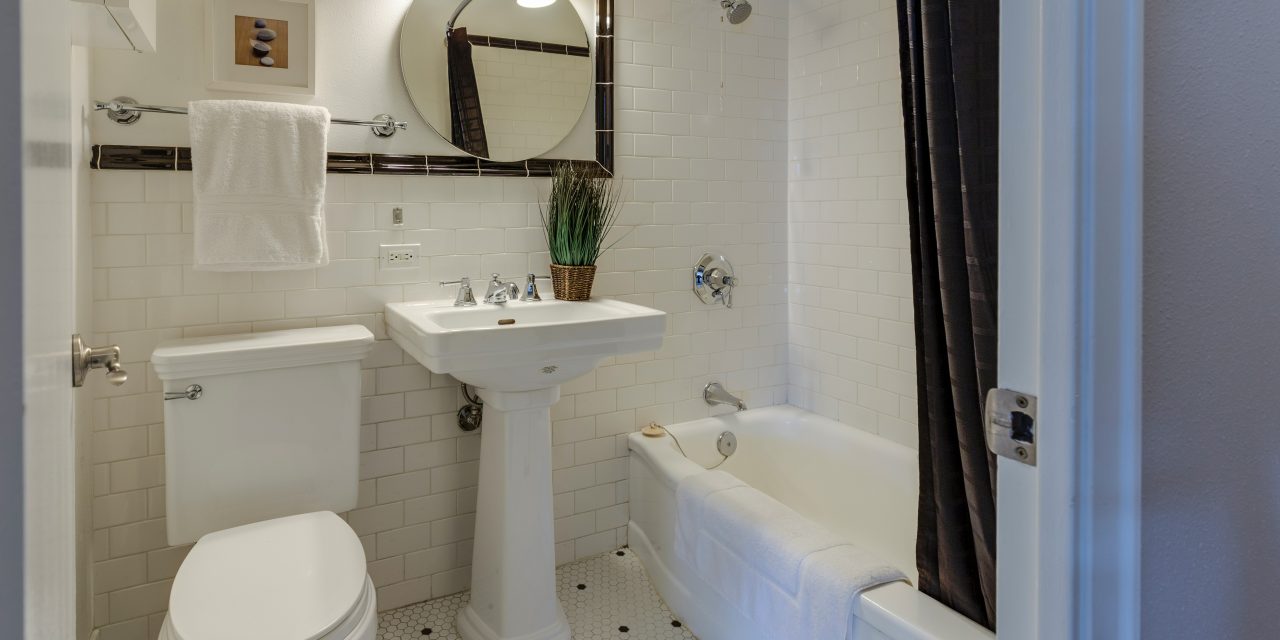
Mold and mildew are types of fungi that thrive in damp, humid environments, making bathrooms a prime location for their growth. Mold is typically black or green and can penetrate porous surfaces, while mildew appears as a white or gray powdery substance. Both organisms reproduce through spores, which can become airborne and pose health risks, particularly for individuals with respiratory conditions or weakened immune systems. The presence of mold and mildew in bathroom grout not only detracts from the aesthetic appeal of the space but can also lead to structural damage if left untreated.
The grout between tiles is particularly susceptible to mold and mildew due to its porous nature. When moisture seeps into the grout, it creates an ideal breeding ground for these fungi. Factors such as inadequate ventilation, high humidity levels, and water leaks can exacerbate the problem. Understanding the biology of mold and mildew is crucial for effective treatment and prevention. By recognizing the conditions that foster their growth, homeowners can take proactive measures to maintain a clean and healthy bathroom environment.
Identifying the Signs of Mold and Mildew Stains
Recognizing the signs of mold and mildew in bathroom grout is essential for timely intervention. Common indicators include dark spots or discoloration on the grout lines, which may appear as black, green, or brown patches. These stains often have a musty odor, a telltale sign of fungal growth. In some cases, you may also notice a fuzzy texture on the surface of the grout, indicating a more advanced stage of mold infestation.
In addition to visual cues, it is important to be aware of potential health symptoms associated with mold exposure. Individuals may experience respiratory issues, allergic reactions, or skin irritations when exposed to mold spores. If you notice persistent coughing, sneezing, or skin rashes after spending time in your bathroom, it may be time to investigate further. Early detection is key to preventing extensive damage and ensuring a safe living environment.
Essential Safety Precautions Before Cleaning

Before embarking on any cleaning endeavor involving mold and mildew removal, it is imperative to prioritize safety. First and foremost, ensure adequate ventilation in the bathroom by opening windows or using exhaust fans to minimize inhalation of spores. Wearing protective gear such as gloves, goggles, and a mask is crucial to safeguard against potential allergic reactions or respiratory issues during the cleaning process.
Additionally, consider using a respirator rated for mold spores if you are dealing with extensive contamination. It is also advisable to keep children and pets away from the area until cleaning is complete and the space has been thoroughly aired out. Taking these precautions not only protects your health but also enhances the effectiveness of your cleaning efforts.
Gathering the Right Cleaning Supplies and Tools

Equipping yourself with the appropriate cleaning supplies and tools is essential for effective mold and mildew removal from bathroom grout. Basic supplies include white vinegar, baking soda, hydrogen peroxide, a spray bottle, scrub brushes with stiff bristles, sponges, and microfiber cloths. These items are not only effective but also environmentally friendly alternatives to harsh chemical cleaners.
For more stubborn stains, consider investing in a commercial-grade mold remover specifically designed for grout cleaning. These products often contain potent antifungal agents that can penetrate deep into porous surfaces. Additionally, having a bucket for rinsing and a mop or vacuum cleaner with a HEPA filter can help manage debris during the cleaning process. By gathering these supplies beforehand, you can streamline your cleaning efforts and achieve optimal results.
Preparing the Bathroom Area for Treatment
Preparation is key when tackling mold and mildew in bathroom grout. Begin by removing any items from countertops, shelves, or shower areas to create an unobstructed workspace. This not only allows for easier access to affected areas but also prevents contamination of personal belongings with mold spores.
Next, inspect the bathroom for any leaks or sources of moisture that may be contributing to mold growth. Addressing these issues before cleaning is crucial for long-term prevention. If necessary, repair plumbing leaks or improve ventilation by installing exhaust fans or dehumidifiers. Once the area is prepared and moisture sources are addressed, you can proceed with confidence to tackle the mold and mildew stains effectively.
Using Vinegar and Baking Soda to Remove Stains
Vinegar is a natural antifungal agent that can effectively combat mold and mildew in bathroom grout. To utilize this method, fill a spray bottle with undiluted white vinegar and apply it generously to the stained grout lines. Allow the vinegar to sit for at least 30 minutes to penetrate the stains before scrubbing with a stiff-bristled brush.
Baking soda can be used in conjunction with vinegar for enhanced cleaning power. After applying vinegar, sprinkle baking soda over the same area. The reaction between vinegar and baking soda will create a fizzing action that helps lift stubborn stains from the grout surface. After scrubbing thoroughly, rinse the area with warm water and wipe down with a microfiber cloth for a polished finish.
Applying Hydrogen Peroxide for Tough Mold and Mildew
For particularly stubborn mold and mildew stains that resist vinegar treatment, hydrogen peroxide serves as an effective alternative. This powerful oxidizing agent not only kills mold spores but also whitens discolored grout lines. To use hydrogen peroxide, pour it into a spray bottle at a concentration of 3% and apply it directly onto the affected areas.
Allow the hydrogen peroxide to sit for approximately 10-15 minutes before scrubbing with a brush. For optimal results, consider covering the treated area with plastic wrap to prevent evaporation during this time. After scrubbing thoroughly, rinse with warm water to remove any residue. This method not only eliminates visible stains but also helps prevent future growth by targeting spores embedded within the grout.
Scrubbing Techniques for Effective Grout Cleaning
Effective scrubbing techniques are vital for achieving thorough mold and mildew removal from bathroom grout. Begin by using a stiff-bristled brush specifically designed for grout cleaning; this will allow you to apply sufficient pressure without damaging the surrounding tiles. When scrubbing, use circular motions to ensure even coverage across the stained areas.
For larger surfaces or extensive staining, consider using an electric scrubber equipped with a brush attachment for added efficiency. This tool can significantly reduce manual effort while providing consistent results. Pay special attention to corners and crevices where mold tends to accumulate; these areas often require extra scrubbing to ensure complete removal.
Preventing Mold and Mildew Regrowth in Bathroom Grout
Preventing mold and mildew regrowth in bathroom grout requires ongoing maintenance and vigilance. One of the most effective strategies is to reduce humidity levels within the bathroom environment. Utilize exhaust fans during showers and baths to expel excess moisture from the air. Additionally, consider installing a dehumidifier if humidity levels remain consistently high.
Regular cleaning routines are essential for preventing future infestations. Aim to clean your bathroom at least once a week using mild detergents or natural solutions like vinegar and baking soda. After each shower or bath, wipe down surfaces with a squeegee or towel to remove excess water from tiles and grout lines. By implementing these preventive measures, you can significantly reduce the likelihood of mold and mildew returning.
When to Use Commercial Mold Removers
While natural cleaning solutions are effective for many cases of mold and mildew in bathroom grout, there are instances where commercial mold removers may be necessary. If you encounter extensive infestations that persist despite thorough cleaning efforts or if you have health concerns regarding exposure to mold spores, it may be prudent to seek professional-grade products.
Commercial mold removers often contain potent antifungal agents such as sodium hypochlorite or quaternary ammonium compounds that can penetrate deeply into porous surfaces. When using these products, always follow manufacturer instructions carefully and ensure proper ventilation during application. Additionally, consider wearing protective gear such as gloves and masks to minimize exposure risks.
Maintaining Clean Grout: Regular Cleaning Tips and Tricks
Maintaining clean grout requires consistent effort but can be achieved through simple habits integrated into your routine. Establishing a regular cleaning schedule—ideally once a week—will help prevent buildup of dirt and grime that can lead to mold growth over time.
Incorporate preventive measures such as using a daily shower spray made from vinegar diluted with water after each use; this will help inhibit mold growth by keeping surfaces dry and clean between deep cleanings. Additionally, consider sealing your grout lines every few years with a high-quality grout sealer; this creates a protective barrier against moisture penetration.
In summary, understanding mold and mildew in bathroom grout is crucial for maintaining a clean and healthy environment. Identifying signs of infestation early allows for timely intervention using safe cleaning methods such as vinegar and baking soda or hydrogen peroxide for tougher stains. Implementing preventive measures like reducing humidity levels through ventilation will help inhibit regrowth while regular maintenance ensures long-lasting cleanliness.
By following these guidelines diligently, homeowners can enjoy a pristine bathroom space free from unsightly stains while safeguarding their health against potential risks associated with mold exposure.