Hardwood floors are a timeless choice for many homeowners, offering both aesthetic appeal and durability. The finish applied to hardwood flooring plays a crucial role in its longevity and appearance. There are primarily three types of finishes: oil-based polyurethane, water-based polyurethane, and penetrating oil finishes. Oil-based polyurethane is renowned for its rich amber hue and robust protection against scratches and wear. However, it takes longer to dry and emits stronger fumes during application. Water-based polyurethane, on the other hand, dries quickly and maintains a clear finish, making it a popular choice for modern homes. Penetrating oil finishes, while providing a natural look, require more frequent reapplication and maintenance.
Understanding the characteristics of each finish is essential for homeowners to make informed decisions regarding their flooring. The choice of finish can significantly impact the floor’s resistance to moisture, ease of cleaning, and overall aesthetic. For instance, oil-based finishes tend to enhance the natural grain of the wood, while water-based finishes offer a more contemporary look. Additionally, the finish type influences how often the floor will need refinishing or maintenance, which is vital for preserving the beauty and integrity of hardwood floors over time.
Essential Tools and Supplies for Cleaning
To maintain the pristine condition of hardwood floors, having the right tools and supplies is paramount. Essential cleaning tools include a soft-bristle broom or vacuum with a hardwood floor attachment, microfiber dust mop, and a damp mop specifically designed for wood surfaces. These tools help prevent scratches and damage while effectively removing dirt and debris. Additionally, a bucket for mixing cleaning solutions and a soft cloth or sponge for spot cleaning are indispensable.
In terms of cleaning supplies, it is crucial to select products that are safe for hardwood floors. A pH-neutral cleaner specifically formulated for wood surfaces is ideal, as it effectively removes grime without compromising the finish. Avoiding harsh chemicals or abrasive cleaners is essential to prevent dulling or damaging the floor’s surface. Furthermore, having a dedicated hardwood floor polish can help restore shine and protect the finish between deep cleanings.
Preparing the Floor for Cleaning

Before embarking on the cleaning process, proper preparation of the hardwood floor is essential to ensure effective results. Begin by removing any furniture or rugs from the area to provide unobstructed access to the entire surface. This step not only facilitates thorough cleaning but also prevents potential damage to furniture during the process. Once the area is clear, inspect the floor for any visible debris or dirt that may require immediate attention.
Next, it is advisable to conduct a preliminary sweep or vacuum to eliminate loose dirt and dust particles. This initial step is crucial as it prevents scratching during subsequent cleaning methods. Pay special attention to corners and edges where dirt tends to accumulate. After this preliminary cleaning, you can proceed with your chosen cleaning method, ensuring that the floor is adequately prepared for optimal results.
Dry Cleaning Methods: Sweeping and Dust Mopping

Dry cleaning methods are fundamental in maintaining hardwood floors, as they effectively remove dust and debris without introducing moisture that could damage the wood. Sweeping with a soft-bristle broom is an excellent way to gather loose dirt and particles from the surface. It is essential to use a broom specifically designed for hardwood floors to avoid scratching the finish.
Dust mopping is another effective dry cleaning method that utilizes a microfiber mop to attract and trap dust particles. Microfiber mops are particularly advantageous as they can reach into crevices and corners that traditional brooms may miss. Regularly incorporating these dry cleaning methods into your maintenance routine will significantly reduce the buildup of dirt and grime, preserving the beauty of your hardwood floors.
Choosing the Right Cleaner for Hardwood Floors
Selecting an appropriate cleaner for hardwood floors is critical in maintaining their appearance and longevity. It is advisable to opt for pH-neutral cleaners specifically formulated for wood surfaces, as they effectively remove dirt without damaging the finish. Avoid using all-purpose cleaners or those containing ammonia or vinegar, as these substances can strip away protective coatings and lead to dullness over time.
When choosing a cleaner, consider factors such as scent, concentration, and ease of use. Some cleaners come in concentrated forms that require dilution with water, while others are ready-to-use sprays. Additionally, eco-friendly options are increasingly available for those concerned about environmental impact. Always follow manufacturer instructions regarding application methods and dilution ratios to ensure optimal results.
How to Properly Damp Mop Hardwood Floors
Damp mopping is an effective method for deep cleaning hardwood floors while minimizing moisture exposure. To begin, fill a bucket with warm water and add a few drops of your chosen pH-neutral cleaner. It is crucial not to saturate the mop; instead, dampen it sufficiently to avoid excess water pooling on the floor.
Start mopping in one corner of the room and work your way toward the exit to prevent stepping on freshly cleaned areas. Use a figure-eight motion or long strokes along the grain of the wood to ensure even coverage without leaving streaks. After mopping a section, rinse the mop frequently in clean water to avoid redistributing dirt back onto the floor. Once completed, allow the floor to air dry completely before replacing furniture or walking on it.
Avoiding Excess Water and Harsh Chemicals
One of the most critical aspects of maintaining hardwood floors is avoiding excess water during cleaning processes. Wood is porous and can absorb moisture, leading to warping or damage over time. Therefore, it is essential to use damp mopping techniques rather than soaking the floor with water. Additionally, ensure that any spills are promptly wiped up with a dry cloth to prevent moisture from seeping into seams or cracks.
Harsh chemicals pose another significant risk to hardwood floors. Many common household cleaners contain abrasive agents that can scratch or dull finishes over time. It is advisable to avoid products containing bleach, ammonia, or vinegar when cleaning hardwood surfaces. Instead, opt for specialized wood cleaners that are gentle yet effective in removing dirt without compromising the integrity of the finish.
Spot Cleaning Stubborn Stains Safely
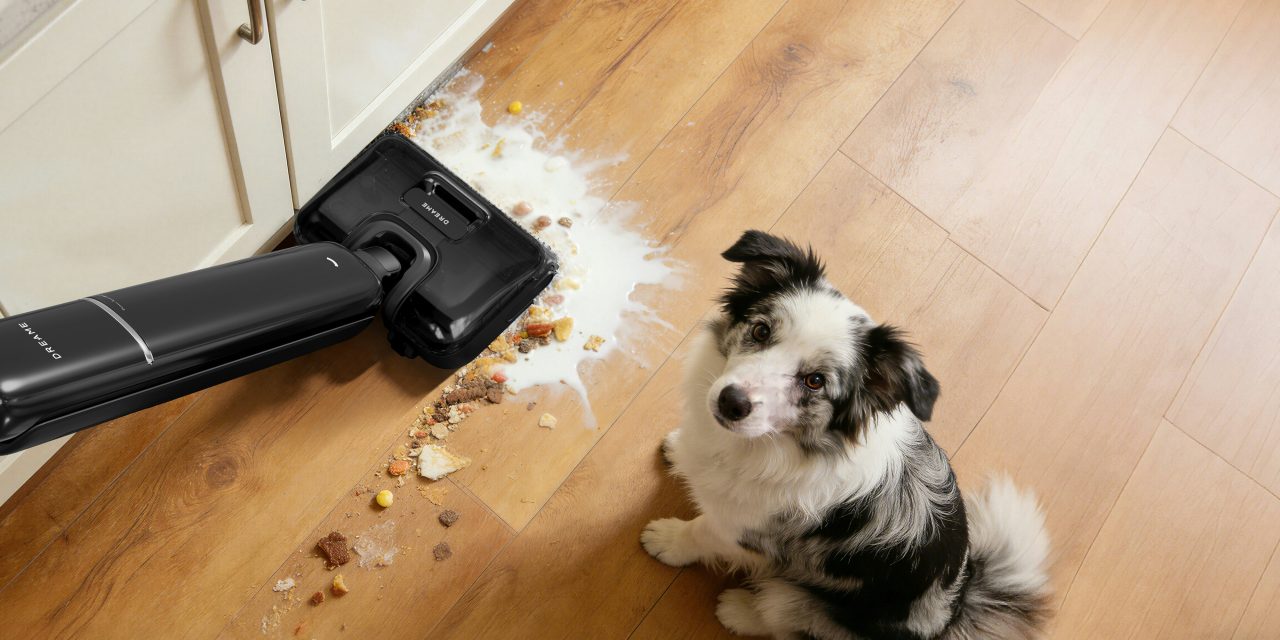
Despite regular maintenance, stubborn stains may occasionally occur on hardwood floors due to spills or heavy foot traffic. Spot cleaning these stains promptly is essential to prevent them from setting in and becoming more challenging to remove. For minor stains such as food spills or dirt marks, a damp cloth with a small amount of pH-neutral cleaner can be effective.
For more persistent stains like ink or pet accidents, consider using a specialized wood floor stain remover designed for safe application on finished surfaces. Always test any cleaner on an inconspicuous area first to ensure compatibility with your specific flooring type. After applying the cleaner according to manufacturer instructions, gently blot the stain with a soft cloth until it lifts away.
Tips for Maintaining Hardwood Floor Shine
Maintaining the shine of hardwood floors requires consistent care and attention. Regularly dusting or sweeping helps prevent dirt buildup that can dull finishes over time. Additionally, using a microfiber mop during damp mopping not only cleans effectively but also enhances shine by polishing the surface as you clean.
Consider applying a hardwood floor polish periodically to restore luster between deep cleanings. These products are designed specifically for wood surfaces and can help fill in micro-scratches while providing an additional layer of protection against wear and tear. Always follow manufacturer guidelines regarding frequency of application and compatibility with your existing finish.
When to Refinish or Repair Your Hardwood Floors
Over time, even with diligent maintenance, hardwood floors may show signs of wear that necessitate refinishing or repair. Indicators that refinishing may be required include visible scratches, dullness that cannot be remedied through cleaning, or discoloration due to sun exposure or spills. Typically, refinishing can be performed every 5-10 years depending on foot traffic and maintenance practices.
If deeper scratches or gouges are present, localized repairs may be necessary before refinishing can occur. This process often involves sanding down affected areas and applying matching stain or finish to blend seamlessly with surrounding wood. Consulting with a professional flooring contractor can provide valuable insights into whether refinishing or repair is warranted based on your specific flooring condition.
Regular Maintenance Schedule to Protect the Finish
Establishing a regular maintenance schedule is vital in protecting the finish of hardwood floors and prolonging their lifespan. A weekly routine should include sweeping or dust mopping to remove loose dirt and debris that can cause scratches when walked upon. Monthly damp mopping with an appropriate cleaner will help maintain cleanliness without excessive moisture exposure.
Additionally, consider seasonal deep cleanings where furniture is moved for thorough access to all areas of flooring. During these cleanings, inspect for any signs of wear or damage that may require attention before they escalate into more significant issues. By adhering to this maintenance schedule, homeowners can ensure their hardwood floors remain beautiful and functional for years to come.
In summary, maintaining hardwood floors requires understanding finishes, utilizing appropriate tools and cleaners, preparing surfaces properly, employing effective cleaning methods while avoiding excess moisture and harsh chemicals, spot cleaning stains safely, maintaining shine through regular care, recognizing when refinishing is necessary, and adhering to a consistent maintenance schedule. By following these guidelines diligently, homeowners can enjoy their beautiful hardwood floors for decades while preserving their value and aesthetic appeal.