Microfiber is a synthetic fabric composed of extremely fine fibers, typically made from polyester and polyamide. This unique composition gives microfiber its characteristic softness and durability, making it a popular choice for upholstery, particularly in couches. The fibers are densely woven, creating a plush surface that is not only aesthetically pleasing but also resistant to wear and tear. Microfiber couches are favored for their stain-resistant properties, which stem from the tightly woven fibers that prevent liquids from penetrating deeply into the material.
The versatility of microfiber extends beyond its appearance; it is also hypoallergenic, making it an excellent option for individuals with allergies or sensitivities. The fabric’s ability to repel dust and allergens contributes to a healthier indoor environment. However, despite its many advantages, microfiber requires specific care and cleaning techniques to maintain its appearance and longevity. Understanding the nature of this material is crucial for effective cleaning and upkeep.
Gathering the Right Cleaning Supplies
Before embarking on the cleaning journey of your microfiber couch, it is essential to gather the appropriate supplies. A well-prepared cleaning kit will ensure that you have everything needed to tackle various stains and maintain the fabric’s integrity. Key items to include are:
1. **Vacuum Cleaner**: A vacuum with a brush attachment is ideal for removing loose dirt and debris.
2. **Soft Cloths**: Microfiber cloths are preferable as they are gentle on the fabric and effective at trapping dirt.
3. **Mild Soap**: A gentle dish soap or upholstery cleaner that is free from harsh chemicals will help in cleaning without damaging the fibers.
4. **Rubbing Alcohol**: This is particularly useful for treating stubborn stains due to its quick evaporation rate and effectiveness in breaking down oils.
5. **Spray Bottle**: For easy application of cleaning solutions.
6. **Soft-Bristled Brush**: This will help restore the texture of the fabric after cleaning.
Having these supplies on hand will streamline the cleaning process and ensure that you can address any issues that arise effectively.
Checking the Manufacturer’s Cleaning Code

Before proceeding with any cleaning methods, it is imperative to check the manufacturer’s cleaning code, which provides specific instructions tailored to your couch’s fabric type. Microfiber couches typically come with one of three codes: “W,” “S,” or “WS.”
– **W** indicates that water-based cleaners are safe to use.
– **S** signifies that solvent-based cleaners should be utilized.
– **WS** means that both water and solvent-based cleaners can be applied.
Understanding these codes is crucial as using the wrong cleaning method can lead to irreversible damage, such as discoloration or fabric deterioration. Always refer to the care label before applying any cleaning solution to ensure that you are following the manufacturer’s recommendations.
Vacuuming the Couch to Remove Loose Dirt

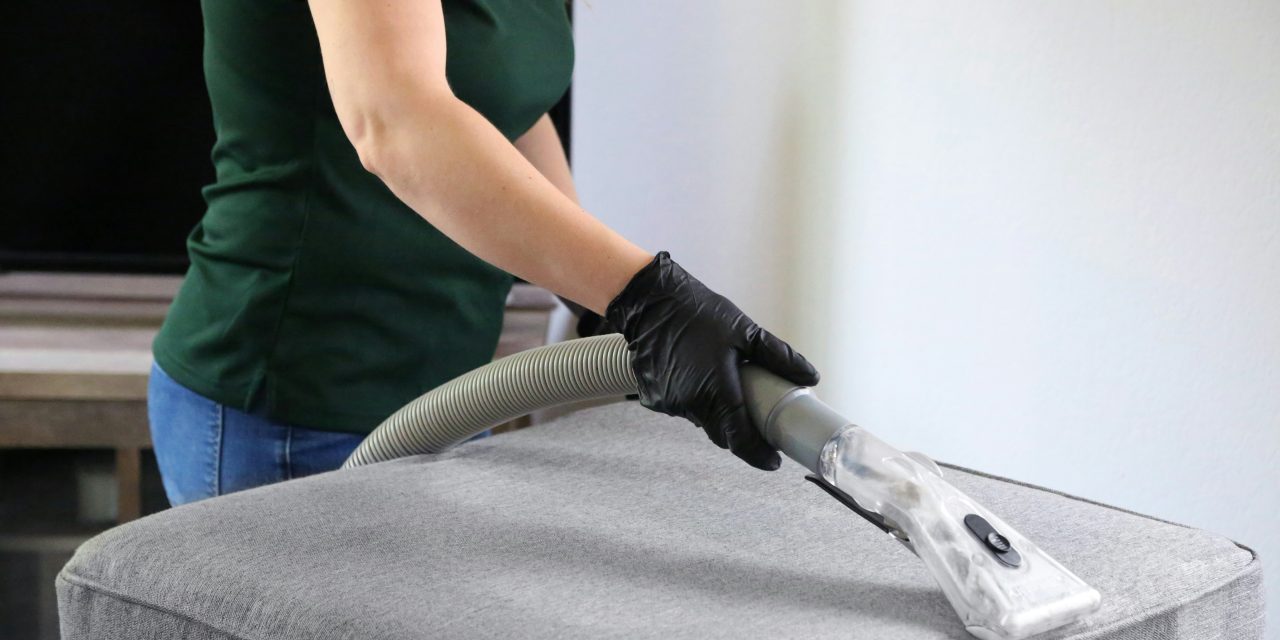
The first step in maintaining your microfiber couch involves thorough vacuuming to eliminate loose dirt, dust, and debris. Using a vacuum cleaner equipped with a brush attachment will allow you to gently agitate the fabric while effectively lifting particles from the surface.
Begin by removing any cushions or detachable parts to access all areas of the couch. Pay special attention to seams and crevices where dirt tends to accumulate. Regular vacuuming not only enhances the appearance of your couch but also prolongs its lifespan by preventing dirt from embedding into the fibers. Aim to vacuum your couch at least once a week, or more frequently if you have pets or children.
Spot Testing Cleaning Solutions on a Hidden Area
Before applying any cleaning solution to your microfiber couch, it is essential to conduct a spot test on an inconspicuous area. This precautionary measure helps ensure that the chosen cleaner does not cause discoloration or damage to the fabric.
Select a small, hidden section of the couch, such as underneath a cushion or on the back side, and apply a small amount of the cleaning solution using a soft cloth. Allow it to sit for a few minutes before blotting it with a clean cloth to assess any adverse reactions. If there is no discoloration or damage after testing, you can proceed with confidence in using that solution on visible areas.
Using a Mild Soap and Water Solution for Cleaning
For routine cleaning or light stains, a mild soap and water solution is often sufficient for maintaining your microfiber couch’s appearance. To create this solution, mix a few drops of gentle dish soap with warm water in a spray bottle.
Lightly mist the solution onto a soft cloth rather than directly onto the couch to avoid oversaturation. Gently blot the stained area without rubbing, as this can push dirt deeper into the fibers. After treating the stain, use a separate damp cloth to wipe away any soap residue, followed by a dry cloth to absorb excess moisture. This method effectively cleans while preserving the integrity of the fabric.
Applying Rubbing Alcohol for Tough Stains
For more stubborn stains that resist soap and water solutions, rubbing alcohol can be an effective alternative due to its solvent properties. To treat tough stains such as ink or grease, pour a small amount of rubbing alcohol onto a clean cloth or sponge.
Gently dab the stained area without saturating it; excessive moisture can lead to damage. Allow the alcohol to sit for several minutes before blotting with a dry cloth to lift the stain away from the fibers. Rubbing alcohol evaporates quickly, minimizing moisture exposure and reducing the risk of water damage. Always remember to perform a spot test before applying alcohol to ensure compatibility with your specific microfiber fabric.
Avoiding Excessive Water to Prevent Damage
While cleaning microfiber couches is essential for maintaining their appearance, it is crucial to avoid excessive water usage during this process. Over-saturating the fabric can lead to water stains, mold growth, or even structural damage over time.
When using any liquid cleaner, always apply it sparingly and focus on blotting rather than soaking. If you notice any dampness after cleaning, use a dry cloth to absorb excess moisture promptly. Additionally, ensure proper ventilation in the area while allowing your couch to dry completely after cleaning.
Gently Brushing the Fabric to Restore Texture
After cleaning your microfiber couch, restoring its original texture is vital for maintaining its aesthetic appeal. Once the fabric has dried completely, use a soft-bristled brush to gently brush the surface in one direction.
This technique helps lift any flattened fibers and restores the plush feel of the material. Brushing not only enhances appearance but also prevents matting and keeps your couch looking fresh and inviting. Regular brushing can be incorporated into your maintenance routine to ensure that your microfiber couch retains its luxurious texture over time.
Allowing the Couch to Air Dry Completely
After cleaning your microfiber couch, allowing it to air dry completely is essential for preventing mold growth and maintaining fabric integrity. Ensure that your couch is placed in a well-ventilated area during this drying process.
Avoid using heat sources such as hair dryers or heaters, as these can cause shrinkage or damage to the fibers. Instead, let nature take its course; open windows or use fans if necessary to promote airflow around the couch. Proper drying will help preserve both appearance and longevity.
Regular Maintenance Tips to Keep Your Microfiber Couch Fresh
To keep your microfiber couch looking pristine between deep cleanings, regular maintenance is key. Here are several tips:
1. **Immediate Stain Treatment**: Address spills promptly by blotting rather than rubbing.
2. **Routine Vacuuming**: Vacuum weekly to prevent dirt buildup.
3. **Use Fabric Protectors**: Consider applying a fabric protector specifically designed for microfiber.
4. **Avoid Direct Sunlight**: Position your couch away from direct sunlight to prevent fading.
5. **Rotate Cushions**: Regularly rotate cushions to ensure even wear.
6. **Professional Cleaning**: Schedule professional cleanings every 1-2 years for deep maintenance.
By incorporating these practices into your routine, you can significantly extend the life of your microfiber couch while keeping it looking fresh and inviting.
In summary, understanding how to care for microfiber couches involves recognizing their unique properties and employing appropriate cleaning techniques tailored specifically for this material. By gathering necessary supplies, adhering to manufacturer guidelines, and utilizing effective cleaning methods such as mild soap solutions and rubbing alcohol for tough stains, you can maintain your couch’s appearance while preventing damage from excessive moisture or improper care practices. Regular maintenance through vacuuming and brushing will further enhance its longevity and aesthetic appeal, ensuring that your investment remains in excellent condition for years to come.
### FAQ Section
1. **Can I use bleach on my microfiber couch?**
– No, bleach can damage microfiber fibers and cause discoloration.
2. **How often should I clean my microfiber couch?**
– It is recommended to clean your couch every 3-6 months depending on usage.
3. **What should I do if my couch has an odor?**
– Sprinkle baking soda on the affected area, let it sit for several hours, then vacuum it off.
4. **Is it safe to use steam cleaners on microfiber?**
– Generally not recommended; steam can saturate fibers and cause damage.
5. **Can I machine wash removable covers?**
– Always check care labels; many microfiber covers are not machine washable.
6. **What if my couch has pet hair?**
– Use a lint roller or rubber gloves dampened with water to easily lift pet hair off.
7. **How do I prevent future stains?**
– Consider applying a fabric protector designed specifically for microfiber after cleaning.
8. **What if my couch has pilling?**
– Use a fabric shaver or lint remover gently on pilled areas.
9. **Can I use vinegar as a cleaner?**
– Vinegar can be used in small amounts but should be diluted; always spot test first.
10. **What’s the best way to remove ink stains?**
– Dab with rubbing alcohol immediately after spill; avoid rubbing which can spread ink further.
By following these guidelines and addressing common concerns through proactive maintenance strategies, you can enjoy your microfiber couch’s beauty and comfort for many years ahead.