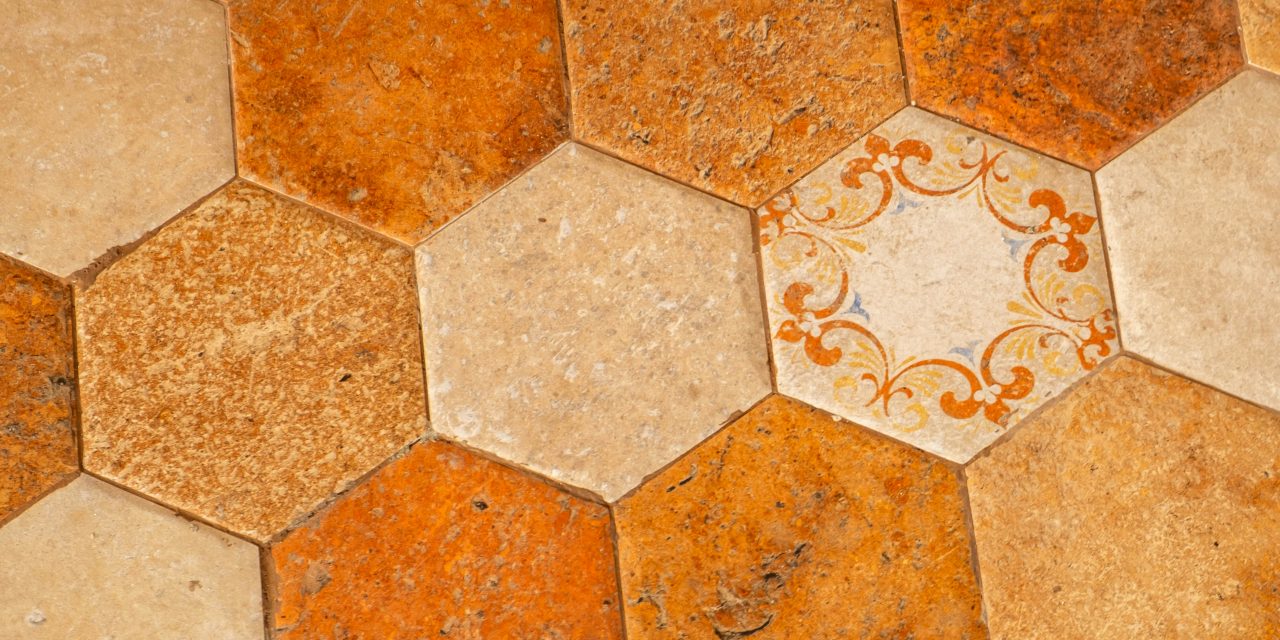
Ceramic tile floors are a popular choice for both residential and commercial spaces due to their durability, aesthetic appeal, and ease of maintenance. However, they are not immune to staining, which can detract from their beauty and longevity. Stains on ceramic tiles can originate from various sources, including food spills, pet accidents, dirt, and even chemical reactions with cleaning agents. Understanding the nature of these stains is crucial for effective removal and prevention.
There are several categories of stains that can affect ceramic tiles. Organic stains, such as those from coffee, tea, or fruit juices, typically penetrate the surface and can be challenging to eliminate without proper techniques. Inorganic stains, including rust or mineral deposits, often require specialized treatments due to their chemical composition. Additionally, grease and oil stains from cooking or mechanical work can create unsightly marks that are difficult to remove. Recognizing the type of stain is the first step in determining the appropriate cleaning method.
Essential Tools and Materials for Stain Removal
To effectively tackle stains on ceramic tile floors, it is essential to gather the right tools and materials. A well-equipped cleaning kit will not only streamline the process but also enhance the likelihood of successful stain removal. Key items include:
1. **Soft-bristle brush**: Ideal for scrubbing without scratching the tile surface.
2. **Microfiber cloths**: These are excellent for absorbing moisture and lifting dirt without leaving lint behind.
3. **Baking soda**: A versatile and gentle abrasive that can help lift stains.
4. **White vinegar**: An effective natural cleaner that can dissolve mineral deposits and grime.
5. **Hydrogen peroxide**: A powerful oxidizing agent that can tackle tougher stains.
6. **Commercial tile cleaner**: Formulated specifically for ceramic tiles, these products often contain surfactants and enzymes that break down stains.
7. **Protective gloves**: Essential for safeguarding your skin from harsh chemicals.
Having these tools on hand will prepare you for a variety of stain removal scenarios, ensuring that you can address any issue that arises promptly and effectively.
Preparing the Floor for Cleaning

Before embarking on the stain removal process, it is crucial to prepare the ceramic tile floor adequately. This preparation phase sets the stage for effective cleaning and minimizes the risk of damage to the tiles. Start by removing any loose debris or dirt from the surface using a broom or vacuum cleaner. This step prevents scratching during the scrubbing process and allows cleaning solutions to penetrate more effectively.
Next, assess the extent of the staining. For minor stains, a simple cleaning solution may suffice; however, more severe discoloration may require a more intensive approach. If necessary, test any cleaning solution on a small, inconspicuous area of the tile to ensure it does not cause discoloration or damage. Once you have prepared the area and selected your cleaning method, you can proceed with confidence.
Using Baking Soda and Vinegar for Mild Stains

For mild stains on ceramic tiles, a combination of baking soda and vinegar can be remarkably effective. This natural remedy harnesses the power of both ingredients to create a potent cleaning solution that is safe for most tile surfaces. Begin by sprinkling a generous amount of baking soda directly onto the stained area. The fine granules act as a gentle abrasive that helps lift the stain without scratching the tile.
Next, pour white vinegar over the baking soda. The reaction between these two substances produces carbon dioxide bubbles that help dislodge dirt and grime from the tile surface. Allow this mixture to sit for approximately 10-15 minutes to maximize its effectiveness. Afterward, use a soft-bristle brush or microfiber cloth to scrub the area gently. Rinse thoroughly with warm water to remove any residue, leaving your tiles clean and refreshed.
Applying Hydrogen Peroxide for Tougher Stains
When faced with tougher stains that resist conventional cleaning methods, hydrogen peroxide can be an invaluable ally. This powerful oxidizing agent is particularly effective against organic stains such as wine or blood. To utilize hydrogen peroxide for stain removal, start by applying it directly to the affected area using a spray bottle or cloth.
For optimal results, allow the hydrogen peroxide to sit on the stain for at least 30 minutes. This dwell time enables it to penetrate deeply into the stain and break down its molecular structure. Afterward, scrub gently with a soft-bristle brush or cloth to lift the stain away from the tile surface. Rinse thoroughly with water to eliminate any remaining hydrogen peroxide residue.
Removing Grease and Oil Stains Effectively
Grease and oil stains can be particularly stubborn on ceramic tile floors, often requiring specialized techniques for effective removal. One effective method involves using dish soap mixed with warm water. Begin by creating a solution with a few drops of dish soap in a bucket of warm water. Dip a microfiber cloth into this mixture and wring it out until damp but not soaking wet.
Apply the soapy cloth directly to the grease-stained area and allow it to sit for several minutes to break down the oil’s structure. Afterward, scrub gently with a soft-bristle brush to lift the stain away from the tile surface. Rinse thoroughly with clean water to remove any soap residue, ensuring that no slippery film remains on the tiles.
Tackling Mold and Mildew on Ceramic Tiles
Mold and mildew can thrive in damp environments, making them common issues in bathrooms and kitchens with ceramic tile flooring. To effectively tackle these fungal growths, it is essential to use a combination of cleaning agents that target mold spores while being safe for tile surfaces. A mixture of equal parts water and white vinegar can be highly effective in combating mold and mildew.
Spray this solution directly onto the affected areas and allow it to sit for at least 10-15 minutes to penetrate the mold’s structure. Afterward, scrub gently with a soft-bristle brush or sponge to lift away any visible growths. Rinse thoroughly with water to remove any remaining vinegar solution and prevent future mold growth by ensuring proper ventilation in damp areas.
How to Use Commercial Tile Cleaners Safely
Commercial tile cleaners can offer powerful solutions for stubborn stains but must be used with caution to avoid damaging ceramic tiles or grout lines. Before applying any commercial product, carefully read the manufacturer’s instructions and safety warnings. It is advisable to test the cleaner on a small, inconspicuous area first to ensure compatibility with your specific tile type.
When using commercial cleaners, always wear protective gloves and ensure adequate ventilation in the area being cleaned. Apply the cleaner according to package instructions, allowing it to dwell on stains as recommended before scrubbing or rinsing away. Following these precautions will help you achieve optimal results while safeguarding your ceramic tiles from potential harm.
Preventing Stains with Regular Maintenance
Preventing stains on ceramic tile floors is far more effective than attempting to remove them after they occur. Regular maintenance plays a pivotal role in preserving both the appearance and integrity of your tiles. Establishing a routine cleaning schedule—ideally weekly—will help keep dirt and grime at bay.
In addition to routine cleaning, consider implementing protective measures such as placing mats at entryways to trap dirt before it reaches your tiles. Promptly addressing spills as they occur will also minimize staining potential; blotting rather than wiping will prevent spreading liquids further across the surface.
When to Call a Professional for Stubborn Stains
Despite your best efforts at home, some stains may prove too stubborn for DIY methods. In such cases, it may be prudent to enlist professional cleaning services specializing in ceramic tile maintenance. Professionals possess advanced tools and techniques that can effectively address deep-set stains without risking damage to your flooring.
Signs that it may be time to call in an expert include persistent discoloration despite repeated cleaning attempts or damage to grout lines that could lead to further issues if left unaddressed. Investing in professional services can restore your tiles’ original beauty while saving you time and effort.
Tips for Keeping Ceramic Tile Floors Spotless Longer
Maintaining spotless ceramic tile floors requires diligence but can be achieved through simple practices integrated into your daily routine. Here are several tips:
1. **Use doormats**: Place mats at entry points to reduce dirt accumulation.
2. **Sweep regularly**: Frequent sweeping prevents dirt buildup that can lead to scratches.
3. **Avoid harsh chemicals**: Stick to pH-neutral cleaners designed specifically for ceramic tiles.
4. **Seal grout lines**: Applying a grout sealer every few years helps protect against staining.
5. **Use furniture pads**: Place pads under furniture legs to prevent scratches when moving items.
By incorporating these practices into your home care routine, you can significantly extend the life of your ceramic tile floors while keeping them looking pristine.
In summary, understanding various types of stains on ceramic tile floors is essential for effective cleaning and maintenance strategies. Utilizing appropriate tools and materials while preparing surfaces properly enhances stain removal efforts significantly. Natural remedies like baking soda and vinegar work well for mild stains, while hydrogen peroxide is ideal for tougher challenges like organic discoloration. Grease stains require specific techniques involving dish soap solutions, while mold necessitates targeted treatments with vinegar mixtures.
Regular maintenance is key in preventing future staining issues, while professional assistance may be necessary for persistent problems beyond DIY capabilities. By following these guidelines and tips, homeowners can enjoy beautiful ceramic tile floors that remain spotless longer while minimizing potential damage from stains over time.