Annual home maintenance is a critical aspect of homeownership that often goes overlooked. Regular upkeep not only preserves the aesthetic appeal of a property but also ensures its structural integrity and functionality. By investing time and resources into maintenance, homeowners can prevent minor issues from escalating into significant problems that could lead to costly repairs. For instance, neglecting to clean gutters can result in water damage, while failing to inspect the roof may lead to leaks and mold growth.
Moreover, routine maintenance enhances the longevity of home systems and appliances, ultimately contributing to a higher resale value. A well-maintained home is more attractive to potential buyers, as it reflects care and attention to detail. Additionally, annual inspections can identify safety hazards, such as faulty wiring or gas leaks, ensuring a secure living environment for all occupants. Thus, prioritizing home maintenance is not merely a matter of aesthetics; it is an essential practice for safeguarding one’s investment and ensuring the well-being of its inhabitants.
Factors Influencing Your Home Maintenance Budget
Several factors play a pivotal role in determining the budget allocated for home maintenance. The age of the property is one of the most significant influences; older homes typically require more frequent repairs and updates due to wear and tear. For example, plumbing systems in older houses may need replacement or extensive repairs, while newer constructions might only require routine inspections and minor adjustments.
Another critical factor is the geographical location of the home. Properties situated in regions with extreme weather conditions—such as heavy snowfall, intense heat, or high humidity—often face unique challenges that necessitate additional maintenance efforts. For instance, homes in coastal areas may require regular inspections for saltwater corrosion, while those in colder climates must address issues related to ice damming and roof integrity. Additionally, local building codes and regulations can impact maintenance requirements and costs, making it essential for homeowners to stay informed about their specific obligations.
Average Cost Estimates for Routine Home Upkeep

Understanding average cost estimates for routine home upkeep can help homeowners plan their budgets effectively. On average, homeowners should expect to allocate approximately 1% to 3% of their home’s value annually for maintenance. For example, if a home is valued at $300,000, the annual maintenance budget should range from $3,000 to $9,000. This budget encompasses various tasks such as landscaping, HVAC servicing, plumbing inspections, and exterior painting.
Specific tasks have varying costs associated with them. For instance, hiring a professional to clean gutters may cost between $100 and $300, while a comprehensive HVAC system check-up can range from $75 to $200. Additionally, routine pest control services typically fall within the $100 to $300 range per visit. By understanding these estimates, homeowners can allocate funds appropriately and avoid financial strain when maintenance tasks arise.
Budgeting for Seasonal Maintenance Tasks

Seasonal maintenance tasks are essential for ensuring that a home remains in optimal condition throughout the year. Each season presents unique challenges that require specific attention. For instance, spring is an ideal time for deep cleaning and inspecting roofs for winter damage, while summer often involves landscaping and exterior painting projects. Fall is crucial for preparing homes for winter by cleaning gutters and checking heating systems, whereas winter may require snow removal services and monitoring for ice dams.
To effectively budget for these seasonal tasks, homeowners should create a checklist of necessary maintenance activities for each season. This proactive approach allows for better financial planning and ensures that no critical tasks are overlooked. Allocating funds specifically for seasonal projects can help mitigate unexpected expenses and provide peace of mind throughout the year.
Accounting for Age and Condition of Your Home
The age and condition of a home significantly influence maintenance needs and costs. Older homes often come with unique challenges that require specialized attention. For example, outdated electrical systems may not meet current safety standards, necessitating upgrades or replacements that can be costly. Similarly, aging plumbing systems may be prone to leaks or clogs, requiring more frequent repairs than newer installations.
Homeowners should conduct thorough assessments of their properties to identify areas that may need immediate attention or future upgrades. Regular inspections can help pinpoint potential issues before they escalate into major problems. Additionally, maintaining detailed records of repairs and upgrades can assist in budgeting for future maintenance needs based on the home’s age and condition.
Setting Aside Funds for Unexpected Repairs
Setting aside funds for unexpected repairs is a prudent financial strategy that every homeowner should adopt. Emergencies can arise at any time—whether it’s a sudden plumbing leak or an HVAC system failure—and having a dedicated emergency fund can alleviate financial stress during these situations. Financial experts recommend saving at least 1% to 2% of the home’s value annually specifically for unexpected repairs.
Creating an emergency fund involves assessing potential risks associated with the property and estimating costs for various scenarios. For instance, if a homeowner lives in an area prone to severe storms, they may want to allocate additional funds for roof repairs or tree removal services. By preparing for unforeseen circumstances, homeowners can ensure that they are equipped to handle emergencies without derailing their overall budget.
Prioritizing Maintenance Based on Home Systems
Prioritizing maintenance based on home systems is essential for effective budgeting and resource allocation. Different systems within a home—such as plumbing, electrical, HVAC, and roofing—have varying lifespans and maintenance requirements. For example, HVAC systems typically last between 15 to 20 years with proper care, while roofs may require replacement every 20 to 30 years depending on materials used.
Homeowners should develop a maintenance schedule that prioritizes tasks based on the criticality of each system. For instance, regular HVAC servicing should be prioritized during seasonal transitions to ensure optimal performance when temperatures fluctuate. Similarly, roof inspections should be conducted after severe weather events to assess any potential damage promptly. By focusing on high-priority systems first, homeowners can prevent costly failures and extend the lifespan of their property’s essential components.
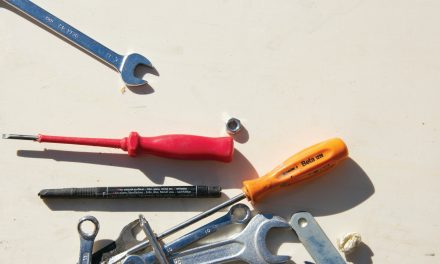
Deciding between DIY projects and hiring professional services can significantly impact a homeowner’s budget. While DIY tasks can save money on labor costs, they often require time, effort, and a certain level of skill or expertise. For example, simple tasks like painting or landscaping can be effectively managed by homeowners with some experience; however, more complex projects—such as electrical work or plumbing repairs—should typically be left to licensed professionals to ensure safety and compliance with local codes.
When evaluating whether to undertake a project independently or hire a professional service, homeowners should consider factors such as their skill level, available time, and the potential risks involved. Additionally, it’s essential to factor in the cost of tools or materials needed for DIY projects versus the expense of hiring experts who come equipped with the necessary resources. Ultimately, striking a balance between DIY efforts and professional assistance can lead to effective budgeting while maintaining quality standards in home maintenance.
Creating a Home Maintenance Calendar and Budget Plan
Creating a comprehensive home maintenance calendar and budget plan is vital for staying organized and ensuring that all necessary tasks are completed on time. A well-structured calendar outlines seasonal tasks alongside monthly checklists that detail specific activities required throughout the year. This proactive approach helps homeowners avoid last-minute scrambles when maintenance issues arise.
To develop an effective budget plan, homeowners should begin by listing all anticipated maintenance tasks along with their associated costs based on previous estimates or quotes from professionals. By categorizing expenses into routine upkeep versus emergency repairs, homeowners can allocate funds accordingly while also setting aside reserves for unexpected situations. Regularly reviewing this plan allows homeowners to adjust their budgets based on changing needs or unforeseen circumstances.
Tips for Saving Money on Home Maintenance
Saving money on home maintenance requires strategic planning and resourcefulness. One effective approach is to conduct regular inspections of systems and appliances to identify minor issues before they escalate into costly repairs. For example, checking for leaks in plumbing fixtures or ensuring that HVAC filters are clean can prevent larger problems down the line.
Additionally, homeowners can take advantage of seasonal sales or discounts offered by local service providers when scheduling routine maintenance tasks such as HVAC servicing or pest control treatments. Joining community groups or online forums focused on home improvement can also provide valuable insights into DIY techniques or recommendations for reliable contractors at competitive rates.
Furthermore, investing in energy-efficient appliances can lead to long-term savings on utility bills while reducing wear on existing systems. By adopting these strategies and remaining proactive about maintenance efforts, homeowners can effectively manage their budgets while preserving their properties’ value.
When to Adjust Your Home Maintenance Budget
Adjusting your home maintenance budget is essential as circumstances change over time. Factors such as significant renovations or changes in family size may necessitate reevaluating existing budgets to accommodate new needs or priorities. For instance, if a family expands due to new additions or children moving back home, additional space may require increased upkeep costs.
Moreover, fluctuations in market conditions or local economic factors can impact service prices; therefore, homeowners should remain vigilant about industry trends that could affect their budgets. Regularly reviewing past expenditures alongside anticipated future needs allows homeowners to make informed decisions about adjusting their budgets accordingly.
In conclusion, annual home maintenance is an indispensable aspect of responsible homeownership that requires careful planning and budgeting. By understanding various influencing factors—from property age to seasonal tasks—homeowners can create effective strategies that prioritize essential upkeep while accounting for unexpected repairs. Balancing DIY efforts with professional services further enhances budgeting efficiency while ensuring quality standards are met throughout the process. Ultimately, proactive management of home maintenance not only preserves property value but also contributes significantly to the safety and comfort of its inhabitants.
FAQs
What percentage of a home’s value should be allocated for annual maintenance?
It is generally recommended to budget about 1% to 3% of your home’s value for annual maintenance. For example, if your home is valued at $300,000, you should plan to spend between $3,000 and $9,000 each year on maintenance and repairs.
What are some common home maintenance expenses to consider?
Common home maintenance expenses include HVAC servicing, plumbing repairs, roof inspections, gutter cleaning, landscaping, pest control, and appliance maintenance. Additionally, budgeting for unexpected repairs is crucial, as these can arise at any time.
How can homeowners estimate their maintenance costs?
Homeowners can estimate their maintenance costs by reviewing past expenses, consulting with professionals for average costs in their area, and considering the age and condition of their home. A good rule of thumb is to set aside 1% of the home’s value annually, adjusting based on specific needs.
Are there seasonal maintenance tasks that should be budgeted for?
Yes, seasonal maintenance tasks often require budgeting. For example, winterizing your home, spring cleaning, summer landscaping, and fall gutter cleaning can all incur costs. Planning for these tasks throughout the year can help spread out expenses and avoid financial strain.
What should homeowners do if they exceed their maintenance budget?
If homeowners exceed their maintenance budget, they should reassess their spending and prioritize essential repairs. It may also be beneficial to create a contingency fund for unexpected expenses and consider adjusting future budgets to accommodate for higher-than-expected costs.