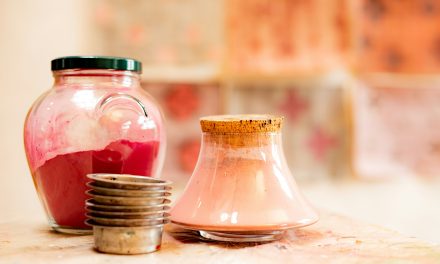
Turmeric, a vibrant yellow spice derived from the Curcuma longa plant, is renowned for its culinary and medicinal properties. However, its vivid pigment can pose significant challenges when it comes to maintaining the pristine appearance of countertops. The active compound in turmeric, curcumin, is responsible for its bright color and is notoriously difficult to remove once it has penetrated porous surfaces. This can lead to unsightly stains that not only detract from the aesthetic appeal of your kitchen or workspace but can also diminish the value of your countertops over time.
The impact of turmeric stains extends beyond mere aesthetics; they can also indicate a lack of proper maintenance and care for your surfaces. Stains can harbor bacteria and other pathogens, potentially compromising food safety in kitchen environments. Understanding the nature of turmeric stains is crucial for effective cleaning and prevention strategies. By recognizing the potential for staining and taking proactive measures, homeowners can preserve the integrity of their countertops while enjoying the culinary benefits of this spice.
Identifying Your Countertop Material Before Cleaning
Before embarking on any cleaning endeavor, it is imperative to identify the material composition of your countertops. Common materials include granite, quartz, marble, laminate, and wood, each possessing unique properties that influence their susceptibility to staining and the appropriate cleaning methods. For instance, granite and quartz are generally more resistant to stains due to their non-porous nature, while marble and wood are more vulnerable and may require specialized care.
Understanding your countertop material not only informs your cleaning approach but also helps in selecting the right products that will not cause damage. For example, acidic cleaners like vinegar may etch marble surfaces, while abrasive scrubs can scratch laminate finishes. By tailoring your cleaning strategy to the specific material, you can effectively mitigate the risk of further damage while ensuring thorough stain removal.
Immediate Steps to Take After a Turmeric Spill

When faced with a turmeric spill, immediate action is paramount to prevent permanent staining. The first step is to blot the area gently with a clean cloth or paper towel to absorb excess turmeric without rubbing it deeper into the surface. Avoid using water at this stage, as it can activate the pigment and exacerbate the stain.
Once you have blotted the area, assess the extent of the stain. If it appears superficial, you may be able to remove it with mild soap and water. However, if the stain has begun to set in, it is essential to employ more targeted cleaning methods. The key is to act swiftly; the longer turmeric remains on a surface, the more challenging it becomes to eliminate.
Using Baking Soda Paste to Lift Turmeric Stains

Baking soda is a versatile household item known for its gentle abrasive properties and ability to neutralize odors. To create an effective paste for lifting turmeric stains, combine three parts baking soda with one part water until a thick consistency is achieved. Apply this paste directly onto the stained area and allow it to sit for approximately 15-30 minutes.
The alkaline nature of baking soda works to break down the curcumin molecules responsible for the stain while gently lifting them from the surface. After allowing the paste to sit, use a soft cloth or sponge to scrub the area gently in circular motions. Rinse thoroughly with warm water and dry with a clean towel. This method is particularly effective on non-porous surfaces such as quartz and granite.
Applying White Vinegar for Natural Stain Removal
White vinegar is another natural cleaning agent that can be effective in combating turmeric stains due to its acidic properties. To utilize vinegar for stain removal, mix equal parts white vinegar and water in a spray bottle. Spray the solution directly onto the stained area and let it sit for about 10 minutes.
The acetic acid in vinegar helps dissolve the curcumin pigments while also disinfecting the surface. After allowing it to penetrate, wipe away the solution with a soft cloth or sponge. For stubborn stains, you may need to repeat this process several times. However, caution should be exercised when using vinegar on sensitive materials like marble or natural stone, as it may cause etching or dulling of the finish.
Leveraging Lemon Juice for Effective Cleaning
Lemon juice is another natural remedy that can effectively tackle turmeric stains due to its citric acid content. To use lemon juice for stain removal, simply squeeze fresh lemon juice directly onto the stained area or mix it with baking soda to create a paste. Allow this mixture to sit for approximately 10-15 minutes before scrubbing gently with a soft cloth.
The natural bleaching properties of lemon juice can help lift stubborn stains while leaving behind a fresh scent. However, similar to vinegar, lemon juice should be used cautiously on porous surfaces as prolonged exposure may lead to discoloration or damage. Always rinse thoroughly with water after treatment to neutralize any residual acidity.
Employing Hydrogen Peroxide for Stubborn Stains
For particularly stubborn turmeric stains that resist other cleaning methods, hydrogen peroxide can be an effective solution due to its powerful oxidizing properties. To use hydrogen peroxide safely on countertops, apply a small amount (3% concentration) directly onto the stained area and allow it to sit for about 10-15 minutes.
After allowing it to penetrate, scrub gently with a soft cloth or sponge before rinsing thoroughly with warm water. Hydrogen peroxide not only helps lift stains but also acts as a disinfectant, making it an excellent choice for kitchen surfaces. However, caution should be exercised when using hydrogen peroxide on colored or porous materials, as it may cause fading or discoloration.
Utilizing Commercial Stain Removers Safely
In cases where natural remedies fail to yield satisfactory results, commercial stain removers specifically designed for countertop materials may be necessary. When selecting a product, ensure that it is compatible with your countertop material and free from harsh chemicals that could cause damage.
Always follow the manufacturer’s instructions carefully when applying commercial cleaners. Typically, this involves applying the product directly onto the stain, allowing it to sit for a specified duration, and then wiping away with a clean cloth. It is advisable to test any new product on an inconspicuous area first to ensure compatibility and avoid potential damage.
Preventative Measures to Avoid Future Turmeric Stains
Preventing turmeric stains from occurring in the first place is far more effective than attempting removal after they have set in. One of the most effective strategies is to use cutting boards when preparing food containing turmeric. This simple measure creates a barrier between the spice and your countertops.
Additionally, consider using placemats or coasters under dishes that contain turmeric-based sauces or curries. Regularly sealing porous surfaces such as granite or marble can also provide an added layer of protection against staining agents. Finally, promptly cleaning up any spills as they occur will significantly reduce the likelihood of permanent staining.
Tips for Maintaining Your Countertop’s Finish Post-Cleaning
After successfully removing turmeric stains from your countertops, maintaining their finish is essential for long-term preservation. Regular cleaning with mild soap and warm water will help keep surfaces looking pristine without causing damage from harsh chemicals.
For natural stone surfaces like granite or marble, consider applying a specialized stone cleaner periodically to enhance shine and protect against future stains. Avoid abrasive scrubbers that can scratch finishes; instead, opt for soft cloths or sponges designed for delicate surfaces. Additionally, reapplying sealants as recommended by manufacturers will help maintain resistance against staining agents.
When to Call a Professional for Deep Stain Removal
In instances where turmeric stains persist despite your best efforts or if you are dealing with extensive discoloration across large areas of your countertops, it may be time to consult a professional cleaning service specializing in countertop restoration. Professionals possess advanced tools and techniques that can effectively address deep-set stains without risking damage to your surfaces.
Moreover, if you are uncertain about your countertop material or how best to treat specific stains, seeking expert advice can save you time and prevent costly mistakes. Professionals can also provide guidance on ongoing maintenance strategies tailored specifically for your countertop type.
In summary, turmeric stains can pose significant challenges for homeowners seeking to maintain their countertops’ appearance and integrity. By understanding the nature of these stains and employing appropriate cleaning methods tailored to specific materials, individuals can effectively mitigate their impact. Utilizing natural remedies such as baking soda paste, white vinegar, lemon juice, and hydrogen peroxide offers safe alternatives for stain removal while commercial products provide additional options when necessary. Preventative measures play a crucial role in avoiding future stains, while regular maintenance ensures long-lasting beauty and functionality of countertops. In cases of persistent staining or uncertainty regarding treatment methods, consulting professionals can provide valuable assistance in restoring surfaces to their original condition.