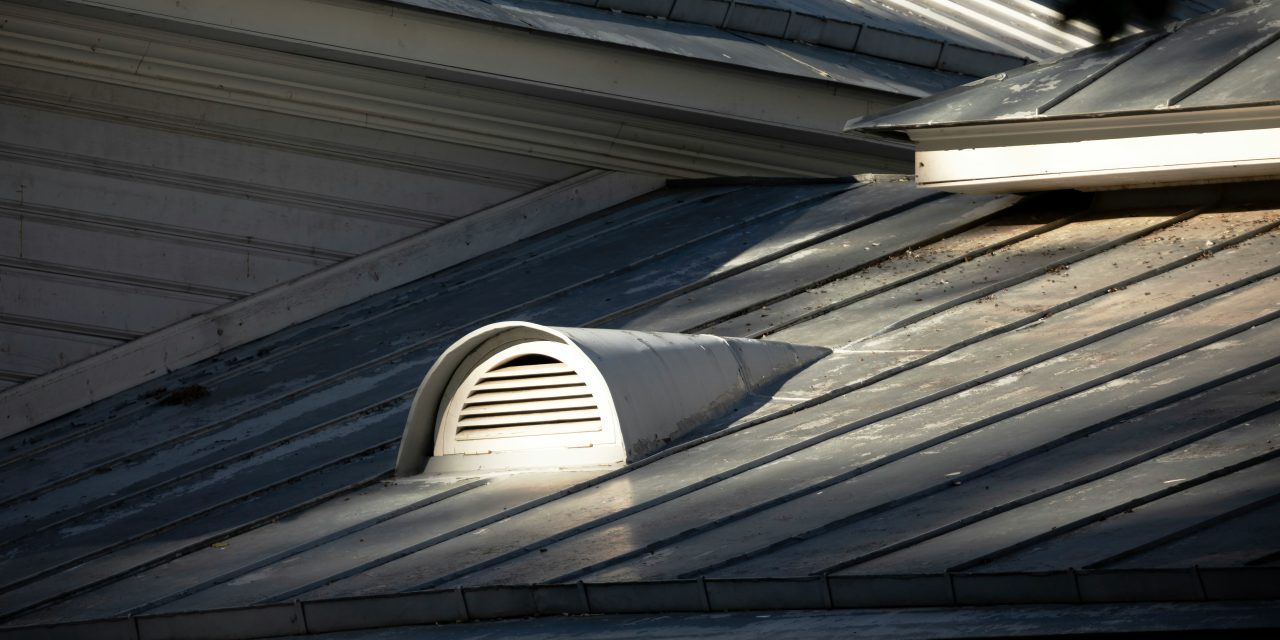
Attic ventilation plays a crucial role in maintaining the overall health of a home. Proper airflow in the attic space helps regulate temperature and moisture levels, which can significantly impact the longevity of roofing materials and the structural integrity of the home. When ventilation is adequate, it allows for the escape of hot air during warmer months and prevents moisture buildup during colder seasons. This balance is essential for preventing issues such as mold growth, wood rot, and ice dam formation, which can lead to costly repairs.
Moreover, effective attic ventilation contributes to energy efficiency. By reducing heat buildup in the attic, homeowners can lower their reliance on air conditioning systems, leading to decreased energy consumption and lower utility bills. The National Roofing Contractors Association recommends a balanced ventilation system that includes both intake and exhaust vents to ensure optimal airflow. This balance not only protects the home but also enhances comfort levels for its occupants.
Common Signs of Poor Attic Ventilation
Identifying signs of inadequate attic ventilation is vital for homeowners to address potential issues before they escalate. One of the most common indicators is excessive heat accumulation in the attic space. When temperatures soar, it can lead to increased strain on HVAC systems and discomfort in living areas. Homeowners may notice that certain rooms are significantly warmer than others, indicating that heat is not being effectively expelled from the attic.
Another telltale sign is the presence of moisture-related problems. Homeowners may observe condensation on windows or walls, which can lead to mold growth and structural damage over time. Additionally, if there are visible signs of water stains on ceilings or walls, it may indicate that moisture is trapped in the attic due to poor ventilation. Recognizing these signs early can help mitigate further damage and ensure a healthier living environment.
Checking for Excessive Heat Buildup in the Attic

To assess excessive heat buildup in the attic, homeowners should conduct regular inspections, especially during peak summer months. A simple method involves using a digital thermometer to measure attic temperatures. Ideally, attic temperatures should remain within 10-20 degrees Fahrenheit of the outside temperature. If readings exceed this range, it may indicate insufficient ventilation.
Another effective approach is to monitor the performance of HVAC systems. If air conditioning units are running continuously or struggling to maintain desired indoor temperatures, it could be a sign that heat is not escaping from the attic efficiently. Homeowners should also pay attention to any unusual noises from HVAC systems, as this may indicate overexertion due to excessive attic heat.
Identifying Moisture and Mold Growth

Moisture accumulation in the attic can lead to severe consequences if left unchecked. Homeowners should regularly inspect for signs of mold growth, which can manifest as dark spots or fuzzy patches on wooden beams and insulation materials. Mold thrives in damp environments, making it essential to address any sources of moisture promptly.
In addition to visual inspections, homeowners can utilize moisture meters to gauge humidity levels in the attic space. Ideally, relative humidity should remain below 60% to prevent mold proliferation. If readings exceed this threshold, it may be necessary to enhance ventilation or consider dehumidification solutions. Addressing moisture issues not only protects structural integrity but also promotes a healthier indoor air quality.
Detecting Musty or Stale Odors
A musty or stale odor emanating from the attic is often a clear indication of poor ventilation and potential mold growth. Homeowners should conduct periodic checks for unusual smells, particularly after heavy rainfall or during humid weather conditions. These odors can permeate living spaces and indicate that moisture is trapped within the attic.
To address this issue, homeowners should first identify and eliminate any sources of moisture, such as leaks or condensation points. Improving ventilation through additional vents or exhaust fans can help dissipate stale air and promote fresh airflow. In cases where mold is present, professional remediation may be necessary to ensure complete removal and prevent recurrence.
Inspecting for Ice Dams During Winter
During winter months, inadequate attic ventilation can lead to ice dam formation along roof edges. Ice dams occur when warm air from the attic melts snow on the roof, causing water to flow down and refreeze at colder eaves. This cycle can result in significant damage to roofing materials and gutters if not addressed promptly.
Homeowners should inspect their roofs for icicles or ice buildup after snowfalls. If ice dams are present, it may indicate that warm air is escaping from the attic due to insufficient insulation or ventilation. To prevent ice dams, homeowners should ensure proper insulation levels in the attic and consider installing roof vents or ridge vents to facilitate airflow.
Looking for Discoloration or Damage on Roof Decking
Discoloration or damage on roof decking is another critical sign of poor attic ventilation. Homeowners should inspect their roofs for any signs of warping, staining, or deterioration on wooden beams and sheathing. These issues often arise from prolonged exposure to moisture and heat buildup in the attic.
If discoloration is observed, it may indicate that moisture has penetrated the roofing materials, leading to potential structural damage over time. Homeowners should address any ventilation issues promptly by enhancing airflow through vents or exhaust systems. Regular inspections can help catch these problems early and prevent costly repairs down the line.
Noticing Increased Energy Bills or HVAC Strain
A sudden spike in energy bills can be a significant indicator of poor attic ventilation. When heat accumulates in the attic space, HVAC systems must work harder to maintain comfortable indoor temperatures, leading to increased energy consumption. Homeowners should monitor their utility bills for unusual fluctuations and consider conducting an energy audit if costs rise unexpectedly.
Additionally, homeowners may notice that their HVAC systems are cycling more frequently or running longer than usual. This strain can lead to premature wear and tear on equipment, resulting in costly repairs or replacements. Addressing ventilation issues can alleviate this strain and improve overall energy efficiency.
Assessing the Condition of Attic Insulation
The condition of attic insulation directly impacts ventilation effectiveness. Homeowners should regularly inspect insulation materials for signs of moisture damage or compression, which can hinder their thermal performance. Proper insulation helps regulate temperature by preventing heat transfer between living spaces and the attic.
If insulation appears wet or compressed, it may need replacement or enhancement to improve energy efficiency and ventilation effectiveness. Additionally, ensuring that insulation does not obstruct airflow from vents is crucial for maintaining proper ventilation dynamics within the attic space.
Evaluating Airflow Through Soffit and Ridge Vents
Soffit and ridge vents play a vital role in facilitating airflow within the attic space. Homeowners should evaluate these vents for blockages caused by debris, insulation, or other obstructions that may impede airflow. Properly functioning soffit vents allow cool air to enter while ridge vents enable hot air to escape.
To ensure optimal performance, homeowners should regularly clean these vents and remove any debris that may hinder airflow. If necessary, consider installing additional vents to enhance overall ventilation efficiency. A well-balanced system will help maintain comfortable temperatures and prevent moisture buildup.
When to Call a Professional for an Attic Ventilation Assessment
While homeowners can conduct preliminary inspections themselves, certain situations warrant professional intervention for an attic ventilation assessment. If persistent issues such as mold growth, excessive heat buildup, or ice dam formation occur despite efforts to improve ventilation, it may be time to consult an expert.
Professional contractors can conduct comprehensive evaluations using specialized tools and techniques to identify underlying problems that may not be visible during routine inspections. They can recommend tailored solutions based on specific needs and ensure that ventilation systems are functioning optimally for long-term benefits.
In summary, understanding the importance of attic ventilation is essential for maintaining a healthy home environment. Recognizing common signs of poor ventilation—such as excessive heat buildup, moisture issues, musty odors, ice dams, discoloration on roof decking, increased energy bills, insulation condition, airflow evaluation through soffit and ridge vents—can help homeowners take proactive measures before problems escalate. Regular inspections and timely interventions are key to ensuring optimal attic performance and protecting both structural integrity and indoor air quality. When in doubt, seeking professional assistance can provide valuable insights into maintaining effective ventilation systems for years to come.
FAQs
What are the signs of poor attic ventilation?
Signs of poor attic ventilation include excessive heat buildup in the attic, visible mold or mildew growth, condensation on rafters or insulation, and a musty odor. Additionally, if your energy bills are unusually high, it may indicate that your HVAC system is working harder due to inadequate airflow.
How does poor attic ventilation affect my home?
Poor attic ventilation can lead to a variety of issues, including increased energy costs, damage to roofing materials, and the growth of mold and mildew. It can also cause ice dams in winter, which can lead to water damage in your home.
What is the ideal ventilation ratio for an attic?
The ideal ventilation ratio for an attic is typically 1 square foot of ventilation for every 300 square feet of attic space, assuming there is a vapor barrier in place. If there is no vapor barrier, the ratio should be 1 square foot for every 150 square feet of attic space.
How can I improve attic ventilation?
You can improve attic ventilation by installing soffit vents, ridge vents, or gable vents to promote airflow. Additionally, ensuring that insulation is not blocking vents and considering the installation of powered attic ventilators can also help enhance ventilation.
When should I check my attic for ventilation issues?
It is advisable to check your attic for ventilation issues at least twice a year, ideally in the spring and fall. Additionally, you should inspect it after severe weather events or if you notice any signs of moisture or heat buildup in your home.