Regular furnace maintenance is crucial for ensuring the longevity and efficiency of heating systems. A well-maintained furnace not only operates more effectively but also contributes to a healthier indoor environment. Neglecting routine upkeep can lead to a myriad of issues, including decreased energy efficiency, increased utility bills, and even hazardous situations such as carbon monoxide leaks. According to the U.S. Department of Energy, regular maintenance can improve a furnace’s efficiency by up to 30%, translating into significant savings over time.
Moreover, regular inspections can help identify potential problems before they escalate into costly repairs. For instance, a small crack in the heat exchanger can lead to dangerous gas leaks if left unchecked. By investing time and resources into routine maintenance, homeowners can ensure their heating systems operate safely and efficiently throughout the winter months. This proactive approach not only enhances comfort but also extends the lifespan of the furnace, ultimately providing peace of mind.
Inspecting and Replacing Furnace Filters
Furnace filters play a pivotal role in maintaining indoor air quality and ensuring efficient operation. These filters trap dust, allergens, and other particulates, preventing them from circulating throughout the home. Over time, however, filters can become clogged, impeding airflow and forcing the furnace to work harder than necessary. This increased strain can lead to higher energy consumption and premature wear on components.
To maintain optimal performance, it is recommended that homeowners inspect and replace their furnace filters every one to three months, depending on usage and the type of filter installed. High-efficiency particulate air (HEPA) filters are particularly effective at capturing small particles but may require more frequent changes due to their dense construction. Regularly replacing filters not only enhances air quality but also improves the overall efficiency of the heating system, ensuring that it operates smoothly and effectively.
Cleaning the Blower Assembly for Optimal Performance

The blower assembly is a critical component of any furnace, responsible for distributing heated air throughout the home. Over time, dust and debris can accumulate within the blower assembly, leading to reduced airflow and inefficient heating. A dirty blower can also cause the motor to overheat, potentially resulting in costly repairs or replacements.
To maintain optimal performance, it is essential to clean the blower assembly at least once a year. This process involves turning off the power to the furnace, removing access panels, and carefully cleaning the blower wheel and motor with a soft brush or vacuum. Ensuring that the blower assembly is free from obstructions allows for improved airflow and more efficient heating, ultimately enhancing comfort levels within the home.
Checking and Sealing Ductwork Leaks

Ductwork is responsible for transporting heated air from the furnace to various rooms in a home. However, leaks in ductwork can significantly reduce heating efficiency, leading to uneven temperatures and increased energy costs. According to the U.S. Department of Energy, duct leaks can account for up to 30% of energy loss in a typical home.
To address this issue, homeowners should conduct regular inspections of their ductwork for signs of leaks or damage. Common indicators include visible gaps or holes, as well as increased dust accumulation around vents. Sealing these leaks with mastic sealant or metal tape can dramatically improve system efficiency and ensure that heated air reaches its intended destination. Additionally, insulating ductwork located in unconditioned spaces can further enhance energy savings by minimizing heat loss.
Testing the Thermostat for Accurate Temperature Control
The thermostat serves as the brain of the heating system, regulating temperature settings and ensuring comfort throughout the home. However, if a thermostat is malfunctioning or inaccurately calibrated, it can lead to inconsistent heating and increased energy consumption. Regular testing of the thermostat is essential for maintaining accurate temperature control.
Homeowners should periodically check their thermostats by comparing the set temperature with actual room temperature using a reliable thermometer. If discrepancies are noted, recalibration may be necessary. Additionally, upgrading to a programmable or smart thermostat can enhance energy efficiency by allowing homeowners to set specific heating schedules based on their routines. This technology not only optimizes comfort but also reduces unnecessary energy expenditure.
Lubricating Moving Parts to Reduce Wear and Tear
Furnaces contain numerous moving parts that require regular lubrication to function efficiently. Components such as motors, bearings, and fans can experience friction over time, leading to increased wear and tear if not properly maintained. Lubrication minimizes this friction, allowing parts to operate smoothly and prolonging their lifespan.
Homeowners should consult their furnace’s manual for specific lubrication recommendations and intervals. Typically, lubricating moving parts once a year is sufficient for most systems. Using high-quality lubricant specifically designed for HVAC applications ensures optimal performance while reducing noise levels associated with friction. By prioritizing lubrication as part of routine maintenance, homeowners can prevent costly repairs and extend the life of their heating systems.
Examining the Pilot Light and Ignition System
The pilot light or ignition system is essential for initiating combustion within gas furnaces. A malfunctioning pilot light can prevent the furnace from igniting properly, leading to inadequate heating or complete system failure. Regular examination of these components is vital for ensuring reliable operation.
Homeowners should check the pilot light flame color; it should be blue with a slight yellow tip. A yellow or flickering flame may indicate incomplete combustion or a dirty burner that requires cleaning. Additionally, inspecting the ignition system for signs of wear or damage is crucial; faulty ignition components may need replacement to restore proper functionality. By addressing these issues promptly, homeowners can avoid unexpected breakdowns during peak heating seasons.
Clearing the Furnace Vents and Air Intakes
Furnace vents and air intakes are critical for maintaining proper airflow within the heating system. Blockages in these areas can lead to reduced efficiency and increased strain on the furnace. Regularly clearing vents and intakes of debris such as dust, leaves, or snow is essential for optimal performance.
Homeowners should conduct visual inspections of all vents and intakes at least once a month during the heating season. Ensuring that these areas are unobstructed allows for adequate airflow, promoting efficient heating throughout the home. Additionally, installing vent covers or screens can help prevent debris accumulation while still allowing for proper ventilation.
Monitoring the Furnace Flame for Proper Color and Shape
The color and shape of the furnace flame provide valuable insights into its operational health. A healthy flame should be predominantly blue with a steady shape; any deviations from this norm may indicate underlying issues that require attention. For instance, a yellow or orange flame could signify incomplete combustion or a dirty burner that needs cleaning.
Homeowners should monitor their furnace flame regularly during operation. If any abnormalities are detected, it is advisable to consult a qualified technician for further evaluation and potential repairs. Addressing flame issues promptly not only enhances safety but also ensures that the furnace operates efficiently.
Scheduling Annual Professional Furnace Inspections
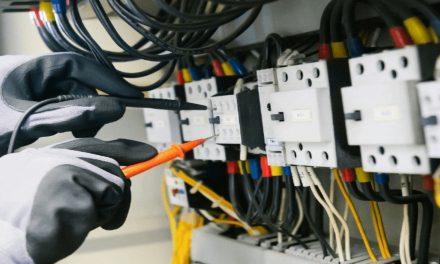
While homeowners can perform many maintenance tasks themselves, scheduling annual professional inspections is essential for comprehensive care of heating systems. Trained technicians possess the expertise to identify potential issues that may go unnoticed during routine checks. These inspections typically include thorough assessments of all components, including electrical connections, gas lines, and safety mechanisms.
Professional inspections provide peace of mind by ensuring that furnaces operate safely and efficiently throughout the heating season. Technicians can also offer recommendations for improvements or upgrades that may enhance performance or energy efficiency. Investing in annual inspections ultimately saves homeowners money by preventing costly repairs down the line.
Implementing Energy-Saving Practices to Maximize Efficiency
In addition to regular maintenance tasks, implementing energy-saving practices can significantly enhance furnace efficiency and reduce utility costs. Simple measures such as sealing windows and doors to prevent drafts can improve overall comfort while minimizing heat loss. Additionally, utilizing programmable thermostats allows homeowners to optimize heating schedules based on occupancy patterns.
Regularly insulating attics and basements can further enhance energy efficiency by reducing heat loss through unconditioned spaces. Homeowners should also consider upgrading to high-efficiency furnaces when replacement becomes necessary; modern systems often feature advanced technology designed to maximize performance while minimizing energy consumption.
In summary, regular furnace maintenance is essential for ensuring optimal performance and safety throughout the heating season. By inspecting filters, cleaning components, sealing ductwork leaks, testing thermostats, lubricating moving parts, examining ignition systems, clearing vents, monitoring flames, scheduling professional inspections, and implementing energy-saving practices, homeowners can enhance their heating systems’ efficiency while prolonging their lifespan. Prioritizing these tasks not only contributes to a comfortable living environment but also promotes significant cost savings over time through improved energy efficiency.
FAQs
What are common signs that my furnace needs repair?
Common signs that your furnace may need repair include unusual noises (such as banging or squeaking), inconsistent heating throughout your home, a yellow or flickering pilot light, increased energy bills, and the presence of strange odors. If you notice any of these issues, it’s advisable to contact a professional for an inspection.
How often should I have my furnace serviced?
It is recommended to have your furnace serviced at least once a year, ideally before the heating season begins. Regular maintenance helps ensure that your furnace operates efficiently, extends its lifespan, and reduces the risk of unexpected breakdowns.
Can I perform furnace repairs myself?
While some minor maintenance tasks, such as changing the air filter or cleaning the vents, can be done by homeowners, most furnace repairs should be handled by a qualified technician. Attempting complex repairs without proper knowledge can lead to safety hazards and further damage to the unit.
What should I do if my furnace stops working?
If your furnace stops working, first check the thermostat settings and ensure that it is set to heat. Next, inspect the circuit breaker and replace any blown fuses. If these steps do not resolve the issue, it is best to contact a professional technician for diagnosis and repair.
How much does furnace repair typically cost?
The cost of furnace repair can vary widely depending on the nature of the problem, the type of furnace, and your location. On average, homeowners can expect to pay between $100 and $1,000 for repairs. It’s advisable to obtain quotes from multiple service providers to ensure you receive a fair price.