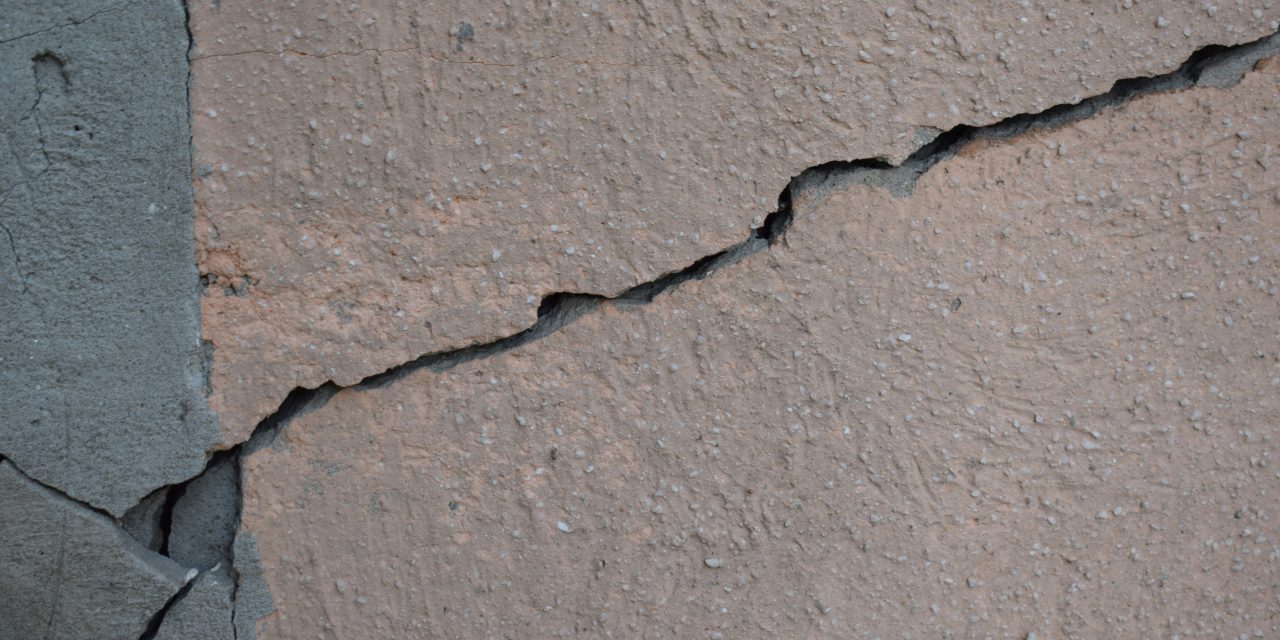
Foundation cracks are a common concern for homeowners, often signaling underlying issues that could compromise the structural integrity of a building. These fissures can manifest in various forms, ranging from minor hairline fractures to significant gaps that may threaten the stability of the entire structure. Understanding the nature of these cracks is crucial for timely intervention and effective remediation. The foundation serves as the bedrock of a home, supporting its weight and ensuring stability. When cracks appear, they can lead to water infiltration, pest intrusion, and even mold growth, which can exacerbate health issues for occupants.
The appearance of foundation cracks can be alarming, but not all cracks are indicative of severe problems. Some may result from normal settling or minor shifts in the soil. However, distinguishing between benign and problematic cracks is essential for homeowners. Regular monitoring and assessment can help identify changes over time, allowing for proactive measures to be taken before more significant issues arise. This article will delve into the various types of foundation cracks, their causes, implications, and solutions.
Common Causes of Foundation Cracks
Foundation cracks can arise from a multitude of factors, each contributing to the deterioration of a building’s structural integrity. One primary cause is soil movement, which can occur due to changes in moisture levels. Expansive clay soils, for instance, swell when wet and shrink during dry periods, exerting pressure on foundations and leading to cracks. Additionally, poor drainage around the foundation can exacerbate moisture-related issues, causing water to pool and erode soil support.
Another significant contributor to foundation cracking is temperature fluctuations. As concrete expands and contracts with temperature changes, it can create stress points that lead to cracking. Furthermore, inadequate construction practices, such as using substandard materials or failing to adhere to proper building codes, can result in weak foundations susceptible to cracking. Understanding these causes is vital for homeowners to implement effective preventative measures.
Hairline Cracks: When Are They Normal?

Hairline cracks are often the first signs of foundation issues that homeowners may notice. Typically measuring less than 1/8 inch in width, these minor fissures are generally considered normal and may not indicate serious structural problems. They often occur due to the natural settling of a home or minor temperature fluctuations affecting the concrete. In many cases, hairline cracks can be easily repaired with sealants or fillers designed for concrete surfaces.
However, it is essential to monitor hairline cracks over time. If they begin to widen or multiply, this could signal a more significant issue requiring professional evaluation. Homeowners should document any changes in size or appearance and consult with a structural engineer if concerns arise. Regular inspections can help ensure that minor cracks do not evolve into more severe problems.
Vertical Cracks: What They Indicate

Vertical cracks are typically indicative of settling or shifting within the foundation. These fissures often appear as straight lines running up and down the wall or foundation slab. While some vertical cracks may be harmless and result from normal settling, others can signal more serious issues related to soil movement or inadequate support beneath the foundation.
When assessing vertical cracks, it is crucial to consider their width and length. Cracks wider than 1/4 inch or those that extend significantly may warrant further investigation by a professional. Additionally, if vertical cracks are accompanied by other signs such as doors or windows that stick or misalign, this could indicate a more severe structural problem requiring immediate attention.
Horizontal Cracks: Signs of Serious Structural Issues
Horizontal cracks are often more concerning than their vertical counterparts, as they can indicate significant structural issues within the foundation. These cracks typically occur due to lateral pressure from soil or water accumulation against the foundation walls. When soil becomes saturated with water, it exerts increased pressure on the walls, leading to horizontal cracking.
The presence of horizontal cracks should prompt immediate action from homeowners. These fissures can compromise the integrity of the foundation and may lead to further structural damage if left unaddressed. Professional evaluation is essential to determine the underlying cause and appropriate remediation strategies. Solutions may include installing drainage systems or underpinning techniques to provide additional support.
Stair-Step Cracks in Brickwork: Causes and Concerns
Stair-step cracks are commonly observed in brickwork and masonry walls, resembling a staircase pattern as they traverse the joints between bricks. These cracks often indicate differential settlement or shifting within the foundation. As the foundation settles unevenly, it can cause stress on the masonry above, resulting in visible cracking.
While stair-step cracks may not always signify severe issues, they should not be ignored. Homeowners should monitor these cracks for changes in size or pattern over time. If they begin to widen or if additional symptoms arise—such as bowing walls or gaps between bricks—consulting a structural engineer is advisable. Repairing stair-step cracks may involve reinforcing the foundation or addressing drainage issues contributing to soil movement.
How to Measure and Monitor Foundation Cracks
Monitoring foundation cracks is essential for assessing their progression and determining whether professional intervention is necessary. Homeowners can measure crack width using a caliper or ruler and document their findings over time. It is advisable to take measurements at regular intervals—such as monthly or quarterly—to track any changes accurately.
In addition to measuring width, homeowners should also observe crack length and direction. Marking the edges of a crack with tape or chalk can help visualize any movement over time. Taking photographs can also provide visual documentation for future reference. If significant changes are noted—such as widening or new cracks appearing—consulting a professional for further evaluation is recommended.
The Role of Soil and Moisture in Foundation Cracking
Soil composition and moisture levels play a critical role in the health of a foundation. Different types of soil react differently to moisture; for example, clay soils expand when wet and contract when dry, creating pressure on foundations that can lead to cracking. Conversely, sandy soils tend to drain well but may lack cohesion, leading to instability under certain conditions.
Moisture management is equally important in preventing foundation issues. Poor drainage systems can lead to water pooling around the foundation, increasing hydrostatic pressure and exacerbating soil movement. Homeowners should ensure proper grading away from the foundation and maintain gutters and downspouts to direct water away from the structure effectively.
When to Call a Professional for Foundation Inspection
Determining when to seek professional assistance for foundation issues is crucial for maintaining structural integrity. Homeowners should consider contacting a structural engineer if they observe significant changes in crack size or pattern, experience doors or windows that stick or misalign, or notice any signs of water intrusion within the home.
Additionally, if stair-step cracks appear in brickwork or horizontal cracks develop in foundation walls, professional evaluation is warranted. A qualified expert can assess the situation comprehensively and recommend appropriate remediation strategies tailored to the specific issues at hand.
Repair Options for Different Types of Foundation Cracks
Repairing foundation cracks requires an understanding of their underlying causes and appropriate methods tailored to each type of crack. For hairline fractures, simple sealants or epoxy injections may suffice to prevent water infiltration and further deterioration. Vertical cracks may require more extensive repairs involving underpinning techniques or mudjacking to stabilize the foundation.
Horizontal cracks often necessitate more complex solutions such as installing drainage systems or wall anchors to relieve lateral pressure on foundation walls. Stair-step cracks in masonry may require reinforcement through steel bracing or additional support systems to prevent further movement.
Preventative Measures to Protect Your Foundation from Cracking
Preventing foundation cracking involves proactive measures aimed at managing soil moisture levels and ensuring proper drainage around the home. Homeowners should regularly inspect gutters and downspouts for clogs and ensure they direct water away from the foundation effectively.
Additionally, maintaining consistent moisture levels in surrounding soil through irrigation during dry spells can help prevent excessive shrinkage in clay soils. Regular landscaping maintenance—such as grading soil away from the foundation—can also mitigate risks associated with water pooling around the base of the home.
In summary, understanding foundation cracks is essential for homeowners seeking to maintain their property’s structural integrity. By recognizing common causes and types of cracks—such as hairline fractures, vertical fissures, horizontal gaps, and stair-step patterns—homeowners can take proactive measures to monitor their foundations effectively. Regular inspections and timely interventions are crucial for addressing potential issues before they escalate into significant problems requiring costly repairs. Implementing preventative measures such as proper drainage management and soil moisture control can further safeguard against future cracking incidents.
FAQs
What are the common types of foundation cracks?
Common types of foundation cracks include vertical cracks, horizontal cracks, and diagonal cracks. Vertical cracks are often caused by settling and are usually not serious. Horizontal cracks may indicate more severe structural issues, while diagonal cracks can result from uneven settling or soil movement.
How can I determine if a foundation crack is serious?
To determine if a foundation crack is serious, assess its width, length, and direction. Cracks wider than 1/4 inch, those that are growing, or cracks that appear in a stair-step pattern may indicate significant structural problems. It’s advisable to consult a professional if you notice these signs.
What causes foundation cracks?
Foundation cracks can be caused by various factors, including soil settlement, moisture changes, temperature fluctuations, and poor construction practices. Expansive clay soils, heavy rainfall, and drought conditions can also contribute to the development of cracks.
Are small cracks in the foundation normal?
Yes, small cracks in the foundation are often considered normal and can occur due to natural settling of the house. Cracks that are less than 1/8 inch wide typically do not pose a significant threat and can often be repaired with sealants.
When should I seek professional help for foundation cracks?
You should seek professional help for foundation cracks if they are wider than 1/4 inch, if you notice signs of water intrusion, or if the cracks are accompanied by other issues such as doors and windows that stick or uneven floors. A structural engineer can provide a thorough assessment and recommend necessary repairs.