Air conditioning systems are essential for maintaining comfort in residential and commercial spaces, especially during the sweltering summer months. When an air conditioning unit fails to blow cold air, it can lead to discomfort and frustration. Understanding the underlying causes of this issue is crucial for effective troubleshooting and resolution. Several factors can contribute to an AC unit’s inability to cool effectively, ranging from simple maintenance oversights to complex mechanical failures.
The first step in diagnosing the problem is to assess the system’s operational status. Is the unit running continuously without achieving the desired temperature? Are there unusual noises or smells emanating from the unit? These observations can provide valuable clues. Additionally, understanding the components of an air conditioning system, including the evaporator coil, compressor, and refrigerant levels, can help pinpoint the source of the malfunction.
Icing on the Evaporator Coil: What It Means
One common reason for an AC unit not blowing cold air is icing on the evaporator coil. The evaporator coil is responsible for absorbing heat from the indoor air, allowing the refrigerant to cool down before circulating back into the system. When this coil becomes excessively cold, moisture in the air can freeze on its surface, creating a layer of ice that obstructs airflow.
Icing can occur due to several factors, including low refrigerant levels, poor airflow, or a malfunctioning blower motor. When airflow is restricted, the evaporator coil cannot dissipate heat effectively, leading to a drop in temperature and subsequent icing. To resolve this issue, it is essential to identify and rectify the underlying cause. Regular maintenance, including cleaning or replacing air filters and ensuring proper airflow, can prevent icing from occurring.
Refrigerant Levels: Checking for Leaks or Low Charge

Refrigerant is a critical component of any air conditioning system, as it facilitates heat exchange within the unit. If the refrigerant levels are low due to leaks or improper charging, the system will struggle to cool effectively. Low refrigerant levels can lead to increased pressure within the system, causing inefficiencies and potential damage to components such as the compressor.
To check refrigerant levels, a qualified technician will typically use specialized gauges to assess pressure readings. If low levels are detected, it is crucial to locate and repair any leaks before recharging the system with refrigerant. Regular inspections can help identify potential issues early on, ensuring optimal performance and longevity of the AC unit.
Dirty Air Filters and Their Impact on Cooling

Air filters play a vital role in maintaining indoor air quality and ensuring efficient cooling. When filters become clogged with dust, dirt, and debris, they restrict airflow, leading to reduced cooling efficiency and increased strain on the system. This can result in higher energy bills and a shorter lifespan for the AC unit.
To prevent these issues, it is recommended to inspect and replace air filters regularly—typically every one to three months, depending on usage and environmental factors. Clean filters allow for optimal airflow, enabling the system to operate efficiently and maintain desired temperatures. Additionally, regular filter maintenance contributes to improved indoor air quality by reducing allergens and pollutants.
Faulty Compressor: Signs and Solutions
The compressor is often referred to as the heart of an air conditioning system, as it circulates refrigerant throughout the system and facilitates heat exchange. A malfunctioning compressor can lead to inadequate cooling or complete system failure. Signs of a faulty compressor may include unusual noises, such as grinding or hissing sounds, or a noticeable lack of cooling despite the unit running.
If a compressor failure is suspected, it is essential to consult with a professional HVAC technician for diagnosis and repair options. In some cases, a compressor may be repairable; however, if extensive damage has occurred, replacement may be necessary. Regular maintenance checks can help identify potential compressor issues early on, preventing costly repairs down the line.
Thermostat Malfunctions and Calibration Issues
The thermostat serves as the control center for an air conditioning system, regulating temperature settings and ensuring optimal performance. Malfunctions or calibration issues with the thermostat can lead to improper cooling or inconsistent temperature regulation. Symptoms of thermostat problems may include inaccurate temperature readings or failure to respond to adjustments.
To address thermostat issues, start by checking for loose connections or dead batteries in battery-operated models. If problems persist, recalibrating or replacing the thermostat may be necessary. Smart thermostats offer advanced features such as programmable settings and remote access, which can enhance energy efficiency and improve overall comfort.
Problems with the Condenser Unit Outdoors
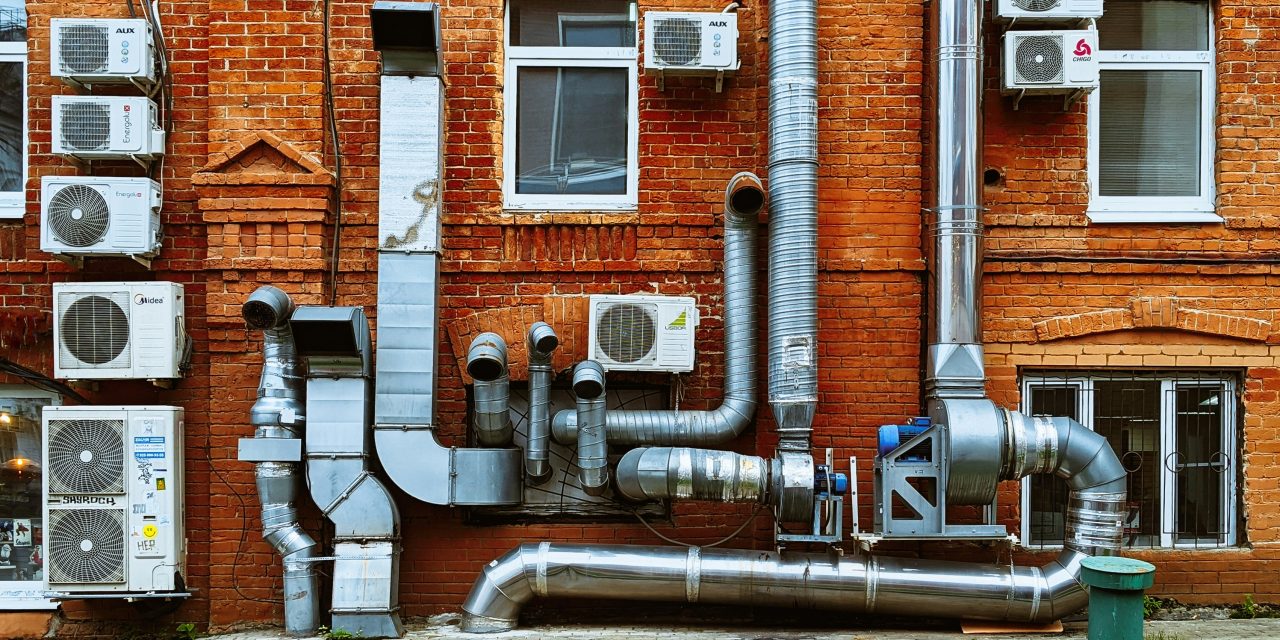
The outdoor condenser unit plays a crucial role in expelling heat absorbed from indoor air. If this unit encounters problems such as debris accumulation or mechanical failures, it can hinder overall cooling performance. Common signs of condenser issues include unusual noises or reduced airflow from the outdoor unit.
Regular maintenance is essential for ensuring optimal condenser performance. This includes cleaning debris from around the unit, ensuring proper drainage, and checking for signs of wear or damage. If problems persist despite maintenance efforts, consulting with an HVAC technician for further evaluation may be necessary.
Electrical Issues Affecting AC Performance
Electrical issues can significantly impact an air conditioning system’s performance and reliability. Problems such as faulty wiring, blown fuses, or tripped circuit breakers can disrupt power supply to critical components like the compressor or blower motor. Symptoms of electrical issues may include intermittent operation or complete system failure.
To address electrical problems safely, it is advisable to consult with a licensed electrician or HVAC technician. Regular inspections of electrical components can help identify potential issues before they escalate into more significant problems.
Blocked or Closed Vents Restricting Airflow
Blocked or closed vents can severely restrict airflow throughout an air conditioning system, leading to uneven cooling and increased energy consumption. Common causes of blocked vents include furniture placement, debris accumulation, or closed dampers in ductwork.
To ensure optimal airflow, regularly inspect vents for obstructions and ensure they are fully open. Additionally, consider using vent covers that allow for adjustable airflow control in specific areas of your home or office.
Fan Problems: Blower Motor and Capacitor Checks
The blower motor is responsible for circulating cooled air throughout indoor spaces. If this motor malfunctions or if there are issues with its capacitor—an electrical component that helps start the motor—the system may struggle to deliver adequate cooling. Symptoms of fan problems may include unusual noises or reduced airflow from vents.
To troubleshoot fan issues, start by inspecting the blower motor for signs of wear or damage. If necessary, consult with an HVAC technician for repairs or replacement options. Regular maintenance checks can help ensure that fan components are functioning optimally.
When to Call a Professional HVAC Technician
While many air conditioning issues can be addressed through regular maintenance and troubleshooting efforts, some problems require professional intervention. If you encounter persistent cooling issues despite your best efforts or if you suspect complex mechanical failures such as compressor problems or refrigerant leaks, it is essential to call a qualified HVAC technician.
Professional technicians possess the expertise and tools necessary to diagnose and repair AC systems effectively. They can also provide valuable insights into preventative maintenance practices that can prolong your system’s lifespan and enhance its efficiency.
In summary, understanding why your AC isn’t blowing cold air involves examining various components of the system—from evaporator coils to electrical connections. Regular maintenance practices such as checking refrigerant levels, cleaning filters, and inspecting outdoor units can prevent many common issues. When faced with persistent problems or complex repairs, consulting with a professional HVAC technician ensures that your cooling system operates efficiently and reliably throughout its lifespan.
FAQs
What are common reasons for an AC not blowing cold air?
Common reasons for an AC not blowing cold air include low refrigerant levels, a dirty air filter, a malfunctioning thermostat, issues with the compressor, and blocked or leaky ductwork. Each of these factors can significantly impact the cooling efficiency of your air conditioning system.
How can I check if my AC unit is low on refrigerant?
You can check if your AC unit is low on refrigerant by inspecting the evaporator coils for frost buildup, listening for hissing sounds, or noticing that the air coming from the vents is not cold. Additionally, you may need to consult a professional to measure the refrigerant levels accurately.
What role does the air filter play in AC performance?
The air filter in an AC unit plays a crucial role in maintaining airflow and air quality. A dirty or clogged air filter restricts airflow, causing the system to work harder and potentially leading to inadequate cooling. Regularly replacing or cleaning the air filter can help ensure optimal performance.
How can I troubleshoot a malfunctioning thermostat?
To troubleshoot a malfunctioning thermostat, check if it is set to the correct temperature and mode (cooling). Ensure that the thermostat is receiving power and that the batteries are functioning if applicable. Additionally, clean any dust or debris from the thermostat to improve its accuracy.
When should I call a professional for AC issues?
You should call a professional for AC issues if you notice persistent problems such as unusual noises, frequent cycling on and off, or if the unit is not cooling despite troubleshooting efforts. A professional can diagnose complex issues and perform necessary repairs safely and effectively.