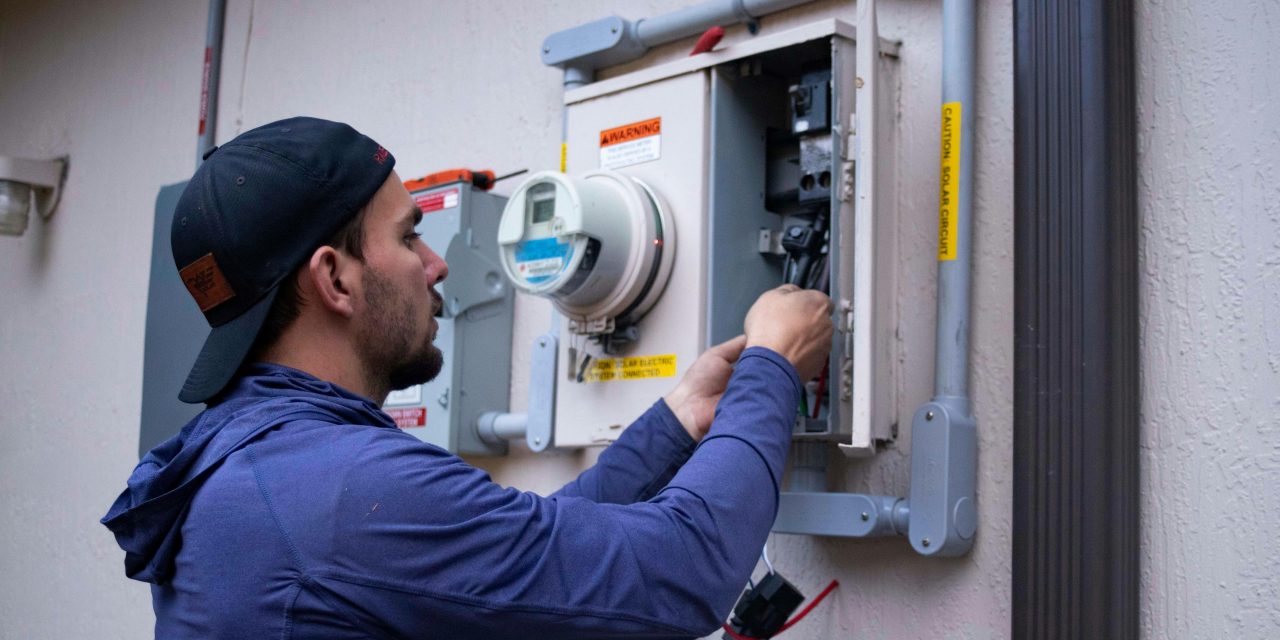
Electrical panels, often referred to as breaker boxes or service panels, serve as the central hub for distributing electricity throughout a home. They are responsible for managing the electrical supply from the utility company and directing it to various circuits within the residence. Over time, as homes age or as electrical demands increase due to modern appliances and technology, these panels may become inadequate. An upgrade is essential not only for safety but also for ensuring that the electrical system can handle the load required by contemporary devices.
Upgrading an electrical panel involves replacing an outdated or insufficient panel with a newer model that can accommodate increased electrical demands. This process may include installing a higher amperage panel, adding new circuits, or even integrating advanced features such as smart technology. Understanding the intricacies of electrical panel upgrades is crucial for homeowners who wish to enhance their electrical systems while ensuring compliance with local codes and regulations.
Signs You Need to Upgrade Your Electrical Panel
Several indicators suggest that an electrical panel upgrade is necessary. One of the most common signs is frequent tripping of circuit breakers, which can indicate that the panel is overloaded. If you find yourself resetting breakers regularly, it may be time to consider an upgrade. Additionally, flickering lights or dimming when appliances are in use can signal that your panel is struggling to meet the electrical demands of your home.
Another critical sign is the presence of a fuse box instead of a circuit breaker panel. Fuse boxes are outdated and lack the safety features found in modern circuit breakers. If your home has a fuse box, upgrading to a circuit breaker panel is highly recommended for improved safety and functionality. Furthermore, if you plan to add new appliances or renovate your home, an upgrade may be necessary to ensure that your electrical system can handle the increased load.
Factors Affecting the Cost of an Electrical Panel Upgrade

The cost of upgrading an electrical panel can vary significantly based on several factors. One primary consideration is the amperage of the new panel. Standard residential panels typically range from 100 to 200 amps, with higher amperage panels costing more due to their increased capacity and complexity. The choice between a standard panel and a smart panel with advanced features will also influence overall expenses.
Another factor is the existing wiring and infrastructure within your home. If your current wiring is outdated or incompatible with modern standards, additional costs may arise from rewiring or making necessary adjustments to accommodate the new panel. Local building codes and regulations can also impact costs, as compliance may require specific materials or installation methods that could increase expenses.
Average Price Range for Electrical Panel Upgrades

On average, homeowners can expect to pay between $1,500 and $3,000 for an electrical panel upgrade. This price range encompasses both materials and labor costs but can fluctuate based on various factors discussed earlier. For instance, a straightforward upgrade from a 100-amp to a 200-amp panel may fall on the lower end of this spectrum, while more complex installations involving extensive rewiring or additional circuits could push costs higher.
It’s essential to obtain multiple quotes from licensed electricians to ensure you receive a fair price for your upgrade. Additionally, consider the long-term benefits of investing in a quality panel that meets your household’s needs rather than opting for the cheapest option available.
Cost Breakdown: Materials and Equipment
When budgeting for an electrical panel upgrade, it’s crucial to understand the cost breakdown associated with materials and equipment. The primary component is, of course, the electrical panel itself, which can range from $300 to $1,000 depending on its amperage and features. Other essential materials include circuit breakers, which typically cost between $5 and $50 each, depending on their specifications.
Wiring and conduit materials are also necessary for installation, with costs varying based on the length and type required. Additional components such as grounding rods, surge protectors, and disconnect switches may also be needed, contributing further to overall expenses. Homeowners should account for these materials when estimating their budget for an upgrade.
Labor Costs and Time Involved in Upgrading
Labor costs for upgrading an electrical panel can vary widely based on geographic location and the complexity of the installation. On average, electricians charge between $50 and $100 per hour for their services. The total labor cost will depend on how long the job takes; most upgrades typically require between 4 to 8 hours of labor.
Factors influencing labor time include the condition of existing wiring, accessibility of the panel location, and any additional work required to bring the system up to code. Homeowners should discuss potential labor costs with their electrician upfront to avoid unexpected expenses during the project.
Permits and Inspection Fees to Consider
Before proceeding with an electrical panel upgrade, homeowners must consider permits and inspection fees mandated by local building authorities. Most jurisdictions require permits for significant electrical work to ensure compliance with safety standards and regulations. Permit fees can range from $50 to several hundred dollars depending on local regulations.
After installation, an inspection by a licensed inspector may be necessary to verify that the work meets code requirements. This inspection fee should also be factored into your overall budget for the project. Failing to obtain proper permits can lead to fines or complications when selling your home in the future.
Upgrading from a Fuse Box to a Circuit Breaker Panel
Transitioning from a fuse box to a circuit breaker panel is one of the most significant upgrades a homeowner can make for safety and efficiency. Fuse boxes are outdated technology that lacks modern safety features such as ground fault circuit interrupters (GFCIs) and arc fault circuit interrupters (AFCIs). These features are essential for preventing electrical fires and protecting sensitive electronics.
The upgrade process typically involves removing the old fuse box and installing a new circuit breaker panel that meets current electrical codes. This transition not only enhances safety but also provides greater flexibility in managing electrical loads throughout the home. Homeowners should consult with licensed electricians experienced in such upgrades to ensure proper installation and compliance with local regulations.
Additional Costs: Surge Protectors and Subpanels
In addition to the primary costs associated with upgrading an electrical panel, homeowners may want to consider additional expenses related to surge protectors and subpanels. Surge protectors are essential for safeguarding electronic devices from voltage spikes caused by lightning strikes or power surges. Installing a whole-house surge protector can cost between $300 and $600 but offers significant protection against costly damage.
Subpanels are another consideration for larger homes or those with extensive electrical needs. A subpanel allows for additional circuits in specific areas of the home without overloading the main panel. The cost of installing a subpanel typically ranges from $500 to $1,500 depending on its size and complexity.
How Location and Home Size Influence Upgrade Expenses
The location of your home plays a significant role in determining upgrade expenses due to variations in labor rates and material costs across different regions. Urban areas often have higher labor costs compared to rural locations due to demand and availability of skilled electricians. Additionally, local building codes may vary, impacting permit fees and compliance requirements.
Home size also influences upgrade expenses; larger homes typically require more extensive wiring and additional circuits, leading to higher material and labor costs. Homeowners should assess their specific needs based on their home’s size and location when budgeting for an electrical panel upgrade.
Tips for Budgeting and Finding Reliable Electricians
When planning an electrical panel upgrade, effective budgeting is crucial for ensuring a smooth process without unexpected financial strain. Start by obtaining multiple quotes from licensed electricians in your area to compare prices and services offered. Look for professionals with positive reviews and recommendations from previous clients.
Additionally, consider setting aside a contingency fund of 10-20% of your total budget to cover any unforeseen expenses that may arise during the project. This buffer can help alleviate stress if unexpected issues occur during installation.
Summarizing this article reveals that upgrading an electrical panel is essential for maintaining safety and efficiency in modern homes. Recognizing signs that indicate an upgrade is necessary—such as frequent breaker trips or outdated fuse boxes—can help homeowners take proactive measures. Understanding factors affecting costs, including materials, labor, permits, and additional features like surge protectors or subpanels, allows for effective budgeting.
By consulting reliable electricians and obtaining multiple quotes, homeowners can ensure they receive quality service while adhering to local codes and regulations. Ultimately, investing in an upgraded electrical panel enhances safety while accommodating modern electrical demands effectively.
FAQs
What is the average cost to upgrade an electrical panel?
The average cost to upgrade an electrical panel typically ranges from $1,500 to $3,000. This price can vary based on factors such as the size of the panel, the complexity of the installation, and local labor rates.
What factors influence the cost of upgrading an electrical panel?
Several factors influence the cost of upgrading an electrical panel, including the amperage of the new panel, the condition of existing wiring, local building codes, and whether additional upgrades, such as grounding or new circuits, are needed.
Do I need a permit to upgrade my electrical panel?
Yes, most jurisdictions require a permit to upgrade an electrical panel. This ensures that the work meets local safety codes and regulations. It’s important to check with your local building department for specific requirements.
How long does it take to upgrade an electrical panel?
Upgrading an electrical panel typically takes between 4 to 8 hours, depending on the complexity of the installation and any additional work that may be required. However, larger or more complicated jobs may take longer.
Can I upgrade my electrical panel myself?
While some homeowners may consider upgrading their electrical panel themselves, it is generally not recommended due to safety concerns and the complexity of the work involved. It is advisable to hire a licensed electrician to ensure the upgrade is done safely and in compliance with local codes.