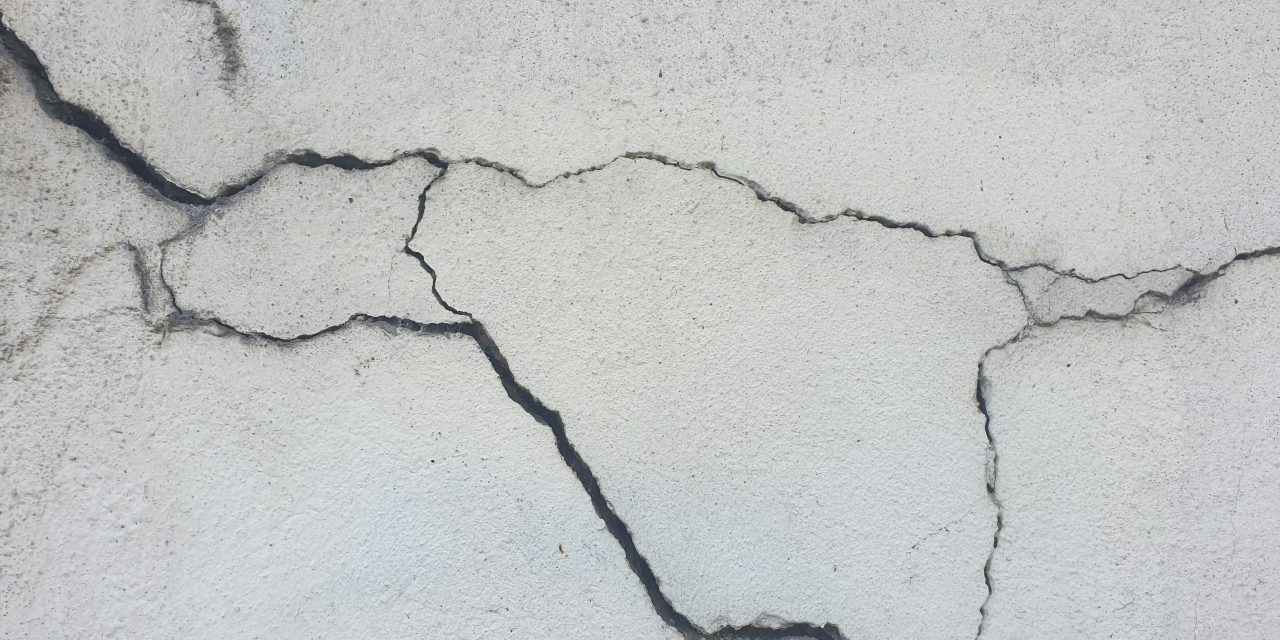
Ceiling cracks are a common phenomenon in residential and commercial buildings, often causing concern among homeowners and property managers alike. These fissures can manifest in various forms, ranging from fine hairline fractures to more pronounced structural damage. Understanding the nature of these cracks is crucial for determining their implications and necessary interventions. While some cracks may be benign and merely cosmetic, others can indicate underlying structural issues that require immediate attention.
The appearance of ceiling cracks can be alarming, prompting questions about the integrity of the building. It is essential to recognize that not all cracks are created equal; their characteristics can provide valuable insights into their causes and potential consequences. This article aims to explore the various types of ceiling cracks, their causes, and the appropriate responses to ensure the safety and longevity of your property.
Common Causes of Ceiling Cracks
Several factors contribute to the formation of ceiling cracks, each with distinct implications for building integrity. One of the most prevalent causes is settling, which occurs as a building ages and its foundation shifts. This natural process can lead to minor cracks that may not pose significant risks but should still be monitored over time.
Another common cause is temperature fluctuations, which can lead to expansion and contraction of building materials. For instance, drywall and plaster can react to changes in humidity and temperature, resulting in cracks. Additionally, water damage from leaks or poor drainage can weaken structural components, leading to more severe cracking. Identifying these causes is crucial for implementing effective repair strategies and preventing future occurrences.
Hairline Cracks: When Are They Normal?

Hairline cracks are often viewed as a standard occurrence in many buildings, particularly those that have been subjected to settling or minor shifts over time. These fine fissures typically measure less than 1/16 inch in width and are often superficial, affecting only the surface layer of paint or drywall. In many cases, hairline cracks do not indicate any significant structural issues and can be easily repaired with minimal intervention.
However, it is essential to monitor these cracks for changes over time. If hairline cracks begin to widen or multiply, it may signal underlying problems that warrant further investigation. Regular inspections can help homeowners identify potential issues early on, allowing for timely repairs and maintenance.
Structural Cracks: Warning Signs to Watch For

In contrast to hairline cracks, structural cracks are more serious and can indicate significant problems within a building’s framework. These cracks are typically wider than 1/4 inch and may exhibit characteristics such as diagonal patterns or vertical displacement. Structural cracks often arise from foundation issues, such as soil erosion or inadequate support systems.
Homeowners should be vigilant for warning signs associated with structural cracks, including doors and windows that stick or fail to close properly, uneven floors, or visible gaps between walls and ceilings. If any of these symptoms accompany the appearance of cracks, it is crucial to consult a professional for a thorough assessment and potential remediation.
How to Differentiate Between Cosmetic and Serious Cracks
Differentiating between cosmetic and serious cracks requires careful observation and understanding of the underlying causes. Cosmetic cracks are typically superficial and do not compromise the structural integrity of a building. They may result from normal wear and tear or minor settling and can often be repaired with simple patching techniques.
Conversely, serious cracks indicate potential structural issues that could jeopardize the safety of occupants. Homeowners should look for specific indicators, such as crack width, direction, and accompanying symptoms like sagging ceilings or misaligned doors. If there is any doubt about the severity of a crack, it is advisable to seek professional evaluation to ensure safety.
The Role of Building Age and Materials in Ceiling Cracks
The age of a building plays a significant role in the likelihood of ceiling cracks occurring. Older structures may be more susceptible to settling and material degradation due to prolonged exposure to environmental factors. Additionally, the materials used in construction can influence crack formation; for example, plaster ceilings are more prone to cracking than modern drywall due to their brittleness.
Understanding the relationship between building age and materials can help homeowners anticipate potential issues and take proactive measures to mitigate risks. Regular maintenance and inspections are essential for older buildings to identify early signs of wear and address them before they escalate into more significant problems.
Environmental Factors That Contribute to Ceiling Damage
Environmental factors significantly impact the condition of ceilings and can contribute to crack formation. Changes in humidity levels can cause materials to expand or contract, leading to stress on joints and seams. Additionally, extreme weather conditions such as heavy rainfall or snow accumulation can exacerbate existing vulnerabilities in a building’s structure.
Poor ventilation can also contribute to moisture buildup, leading to mold growth and deterioration of ceiling materials. Homeowners should be aware of these environmental influences and take steps to mitigate their effects through proper ventilation, insulation, and moisture control measures.
When to Call a Professional for Ceiling Crack Assessment
Determining when to seek professional assistance for ceiling crack assessment is crucial for ensuring safety and maintaining property value. Homeowners should consider consulting an expert if they notice any significant changes in crack size or pattern, experience accompanying symptoms such as sagging ceilings or misaligned doors, or if they have concerns about potential structural damage.
A qualified professional can conduct a thorough inspection, utilizing tools such as laser levels or moisture meters to assess the extent of damage accurately. They can also provide recommendations for repair options based on the severity of the issue and the specific needs of the building.
Repairing ceiling cracks varies significantly depending on their severity. Minor hairline cracks can often be addressed with simple patching compounds or caulking materials designed for drywall repair. Homeowners can typically undertake these repairs themselves with minimal tools and expertise.
In contrast, major structural cracks require more comprehensive interventions. These may involve reinforcing support beams, addressing foundation issues, or replacing damaged materials entirely. Professional contractors should handle these repairs to ensure compliance with building codes and safety standards.
Preventative Measures to Avoid Future Ceiling Cracks
Preventing ceiling cracks involves proactive measures that address both environmental factors and building maintenance. Homeowners should ensure proper drainage around their property to prevent water accumulation that could weaken foundations. Regular inspections of roofing systems can also help identify leaks before they cause significant damage.
Additionally, maintaining consistent indoor humidity levels through ventilation systems or dehumidifiers can minimize stress on ceiling materials. Regular maintenance checks on plumbing systems can prevent leaks that contribute to moisture-related damage.
Safety Considerations: When Ceiling Cracks Signal a Hazard
Ceiling cracks should never be dismissed lightly; they can signal potential hazards that jeopardize occupant safety. Structural cracks may indicate compromised integrity that could lead to ceiling collapse or other dangerous situations. Homeowners must prioritize safety by addressing any concerning signs promptly.
If there is uncertainty regarding the severity of a crack or if it poses a risk to occupants, it is essential to evacuate the area until a professional assessment is conducted. Safety should always be the primary concern when dealing with ceiling damage.
In summary, understanding ceiling cracks involves recognizing their types, causes, and implications for building integrity. While hairline fractures may be benign, structural cracks warrant immediate attention due to their potential hazards. Regular inspections, preventative measures, and timely repairs are essential for maintaining safe living environments while preserving property value over time.
FAQs
What are common causes of cracks in the ceiling?
Common causes of cracks in the ceiling include settling of the building, temperature fluctuations, humidity changes, and structural movement. Minor cracks can occur due to the natural expansion and contraction of materials, while larger cracks may indicate more serious issues.
How can I differentiate between normal and serious cracks?
Normal cracks are usually thin, hairline fractures that do not change over time, while serious cracks are wider, often more than 1/8 inch, and may be accompanied by other signs such as sagging or water stains. If a crack continues to grow or changes in appearance, it may indicate a structural problem.
When should I consult a professional about ceiling cracks?
You should consult a professional if you notice significant changes in the size or shape of the cracks, if they appear suddenly, or if they are accompanied by other issues such as doors or windows that stick, or if there are signs of water damage. A structural engineer or a qualified contractor can assess the situation accurately.
Can ceiling cracks indicate water damage?
Yes, ceiling cracks can indicate water damage, especially if they are accompanied by discoloration, stains, or a musty smell. Water intrusion can weaken the structural integrity of the ceiling and lead to more serious issues if not addressed promptly.
What are some preventive measures to avoid ceiling cracks?
Preventive measures include maintaining consistent indoor humidity levels, ensuring proper ventilation, and addressing any plumbing leaks promptly. Regular inspections of the ceiling and surrounding areas can also help catch potential issues before they develop into serious problems.