When embarking on the journey of creating a cottage garden in a limited yard space, the first step is to conduct a thorough assessment of the area. Begin by measuring the dimensions of your yard, noting any existing features such as trees, fences, or structures that may influence your design. Understanding the microclimates within your space is crucial; observe how sunlight and shade shift throughout the day, as well as how wind patterns may affect plant growth. This information will guide your decisions on plant selection and placement.
Additionally, consider the soil quality and drainage capabilities of your yard. Conducting a soil test can reveal pH levels and nutrient content, which are essential for determining what amendments may be necessary for optimal plant health. Take note of any areas that may retain water or dry out quickly, as these factors will influence your choice of flora. By thoroughly assessing your small yard space, you lay the groundwork for a successful and flourishing cottage garden.
Choosing the Right Cottage Garden Style
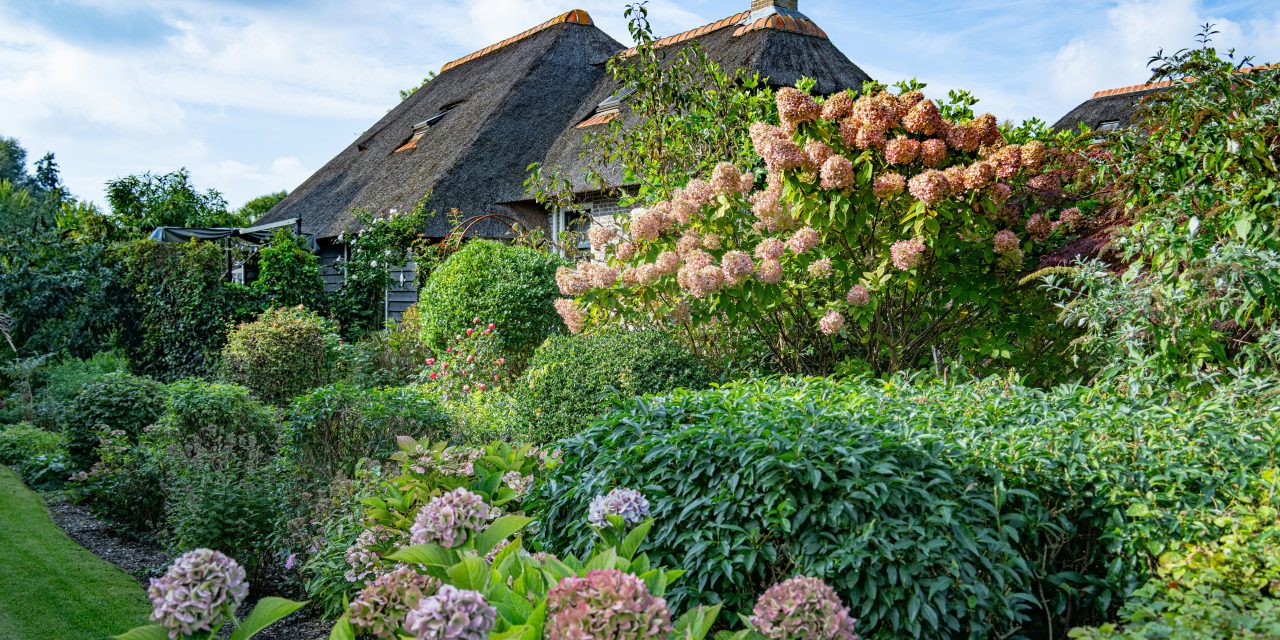
Cottage gardens are characterized by their informal, whimsical designs that prioritize a natural aesthetic. When selecting a style for your garden, consider the overall theme you wish to convey. Traditional English cottage gardens often feature a mix of perennials, annuals, and herbs, creating a tapestry of colors and textures. Alternatively, you might opt for a more contemporary twist, incorporating modern elements while maintaining the charm of a cottage garden.
Research various styles to find inspiration that resonates with you. For instance, a romantic cottage garden may emphasize soft pastels and fragrant blooms, while a rustic approach might incorporate native plants and natural materials. Whichever style you choose, ensure it harmonizes with your home’s architecture and the surrounding landscape. This thoughtful consideration will create a cohesive look that enhances both your garden and your property.
Preparing the Soil for Planting

Soil preparation is a critical step in establishing a thriving cottage garden. Begin by clearing the area of any debris, weeds, or unwanted vegetation that may compete with your desired plants. Once cleared, loosen the soil using a garden fork or tiller to improve aeration and drainage. This process also helps to break up compacted soil, allowing roots to penetrate more easily.
After loosening the soil, amend it with organic matter such as compost or well-rotted manure. These amendments enrich the soil with essential nutrients while improving its structure and moisture retention capabilities. Aim for a balanced mixture that promotes healthy microbial activity, which is vital for plant growth. Testing the soil again after amendments can provide insight into whether additional adjustments are necessary before planting.
Selecting Charming Cottage Garden Plants

The selection of plants is perhaps one of the most enjoyable aspects of creating a cottage garden. Aim for a diverse array of flora that offers varying heights, colors, and bloom times to ensure year-round interest. Classic choices include roses, hollyhocks, foxgloves, and lavender, all of which embody the quintessential cottage garden aesthetic. Additionally, consider incorporating herbs such as thyme and rosemary for both their culinary uses and aromatic qualities.
When selecting plants, prioritize those that thrive in your specific climate zone and soil conditions. Native plants are often an excellent choice as they are adapted to local environments and require less maintenance. Furthermore, grouping plants with similar water and sunlight needs can simplify care routines while promoting healthy growth. By thoughtfully curating your plant selection, you can create a vibrant and enchanting cottage garden.
Designing Pathways and Garden Borders
Pathways play an essential role in guiding visitors through your cottage garden while enhancing its overall charm. Consider using natural materials such as gravel, stepping stones, or reclaimed bricks to create inviting walkways that blend seamlessly with the landscape. Curved pathways often evoke a sense of whimsy and exploration, encouraging visitors to wander through the garden’s various sections.
In addition to pathways, establishing clear borders can help define different areas within your garden. Low hedges or flowering perennials can serve as effective borders while adding visual interest. Incorporating decorative elements such as trellises or arbors at pathway intersections can further enhance the enchanting atmosphere of your cottage garden.
Incorporating Vertical Elements and Trellises
Vertical gardening is an excellent strategy for maximizing space in a small yard while adding dimension to your cottage garden. Trellises provide support for climbing plants such as sweet peas or clematis, allowing them to flourish upward rather than outward. This not only saves ground space but also creates stunning vertical displays that draw the eye upward.
Consider integrating other vertical elements such as obelisks or decorative fences adorned with climbing vines. These structures can serve as focal points within your garden while providing additional habitat for beneficial insects. By incorporating vertical gardening techniques, you can create an immersive experience that invites exploration and admiration.
Adding Cozy Seating Areas
Creating cozy seating areas within your cottage garden encourages relaxation and enjoyment of the natural surroundings. Consider placing benches or chairs in strategic locations where visitors can pause to appreciate blooming flowers or listen to the soothing sounds of nature. Opt for weather-resistant materials that complement your garden’s aesthetic while ensuring durability.
Incorporating cushions or throws can enhance comfort and invite guests to linger longer in these spaces. Additionally, consider positioning seating areas near fragrant plants or flowering herbs to engage multiple senses. By thoughtfully designing these cozy nooks, you cultivate an inviting atmosphere that encourages connection with nature.
Utilizing Containers and Raised Beds
Incorporating containers and raised beds into your cottage garden design offers versatility and practicality, especially in small spaces. Containers allow for easy mobility and can be placed in sunny spots or shaded areas depending on plant requirements. They also provide an opportunity to experiment with different plant combinations and seasonal displays.
Raised beds are another excellent option for maximizing space while improving soil quality and drainage. Constructing raised beds allows for better control over soil conditions and can reduce strain on your back during planting and maintenance tasks. Fill these beds with nutrient-rich soil and select plants that thrive in this environment for optimal results.
Installing Garden Lighting for Ambiance
Garden lighting plays a pivotal role in enhancing the ambiance of your cottage garden during evening hours. Strategically placed lights can illuminate pathways, highlight focal points, and create a magical atmosphere after sunset. Consider using solar-powered lights for an eco-friendly option that requires minimal installation effort.
String lights draped across trellises or trees can add a whimsical touch while providing soft illumination for seating areas. Additionally, lanterns placed along pathways or nestled among plants can create enchanting pockets of light throughout the garden. Thoughtful lighting design transforms your outdoor space into an inviting retreat that can be enjoyed day or night.
Maintaining Your Cottage Garden Year-Round
Maintaining a cottage garden requires ongoing attention to ensure its health and vitality throughout the seasons. Regular tasks include watering, weeding, pruning, and fertilizing plants as needed. Establishing a routine will help you stay on top of these responsibilities while allowing you to enjoy the beauty of your garden.
Seasonal changes also necessitate specific maintenance tasks; for instance, fall is an ideal time for dividing perennials and preparing plants for winter dormancy. Mulching around plants can help retain moisture during dry spells while protecting roots from extreme temperatures. By committing to year-round maintenance practices, you can cultivate a thriving cottage garden that flourishes through every season.
Personalizing Your Garden with Decorative Accents
Personalization is key to making your cottage garden uniquely yours. Incorporate decorative accents such as whimsical sculptures, birdhouses, or vintage finds that reflect your personality and interests. These elements add character while enhancing the overall charm of your outdoor space.
Consider creating themed sections within your garden by grouping similar decorative items together or using color schemes that resonate with you. Seasonal decorations can also be introduced to celebrate holidays or special occasions throughout the year. By thoughtfully curating decorative accents, you create an enchanting atmosphere that invites admiration from all who visit.
In summary, creating a charming cottage garden in a small yard involves careful planning and thoughtful execution across various aspects—from assessing space to selecting plants and incorporating decorative elements. By embracing creativity and personal touches throughout the process, you can cultivate an inviting outdoor sanctuary that reflects your unique style while providing joy throughout the seasons.
FAQs
What is a cottage garden?
A cottage garden is a style of garden that is characterized by its informal layout, dense planting, and a mix of flowers, herbs, and vegetables. It often features a variety of colorful blooms, climbing plants, and rustic elements, creating a charming and inviting atmosphere.
How can I maximize space in a small yard for a cottage garden?
To maximize space in a small yard, consider using vertical gardening techniques, such as trellises and wall planters. Incorporate raised beds or container gardening to utilize every available area. Additionally, choose plants that grow upwards rather than outwards, and group plants with similar water and sunlight needs to optimize space.
What types of plants are best for a cottage garden?
Best plants for a cottage garden include a mix of perennials and annuals such as daisies, hollyhocks, foxgloves, and lavender. Incorporating herbs like rosemary and thyme can also add fragrance and utility. Choose a variety of colors and heights to create visual interest and a lush, layered effect.
How do I create pathways in a small cottage garden?
Creating pathways in a small cottage garden can be achieved by using materials like gravel, stepping stones, or mulch to define walking areas. Keep pathways narrow to save space, and consider curving them to create a more natural look. This will help guide visitors through the garden while maintaining a cozy feel.
What maintenance is required for a cottage garden?
Maintenance for a cottage garden includes regular watering, weeding, and deadheading spent flowers to encourage new blooms. Mulching can help retain moisture and suppress weeds. Additionally, seasonal pruning and dividing perennials every few years will keep plants healthy and promote growth.