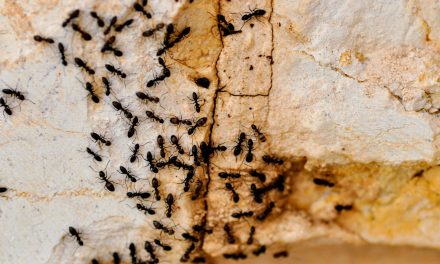
Cockroaches are notorious pests that can invade kitchens, posing significant health risks and creating an unsanitary environment. These resilient insects thrive in warm, humid conditions and are often attracted to food sources, making kitchens their prime target. The presence of cockroaches can lead to the spread of various pathogens, including Salmonella and E. coli, which can cause foodborne illnesses. Understanding the cockroach problem is crucial for homeowners, as it allows for effective management and eradication strategies.
The German cockroach (Blattella germanica) and the American cockroach (Periplaneta americana) are among the most common species found in domestic settings. Their ability to reproduce rapidly exacerbates infestations, with a single female capable of producing up to 400 offspring in her lifetime. This alarming reproductive capacity underscores the importance of early detection and intervention to prevent a minor issue from escalating into a full-blown infestation.
Identifying Common Cockroach Species
Identifying the specific species of cockroach present in your kitchen is essential for implementing targeted control measures. The German cockroach is small, typically measuring about 1.1 to 1.6 centimeters in length, with a light brown color and two dark stripes running down its back. This species prefers warm, humid environments and is often found in kitchens and bathrooms.
In contrast, the American cockroach is larger, reaching lengths of 3 to 4 centimeters. It has a reddish-brown coloration and is characterized by its long wings, which allow it to glide short distances. This species is commonly found in basements, sewers, and other damp areas but can also invade kitchens in search of food. Recognizing these differences can aid in determining the most effective treatment strategies.
Signs of a Cockroach Infestation

Detecting a cockroach infestation early can significantly improve the chances of successful eradication. Common signs include the presence of droppings, which resemble small black pepper grains or coffee grounds, often found near food sources or nesting areas. Additionally, you may notice shed exoskeletons, as cockroaches molt several times throughout their life cycle.
Another telltale sign is a musty odor that may emanate from infested areas. This scent is produced by the pheromones released by cockroaches and can indicate a larger population. Observing live cockroaches during the day can also signal an infestation, as these nocturnal insects typically hide during daylight hours. If you notice any of these signs, it is crucial to take immediate action to prevent further proliferation.
Preventive Measures to Keep Cockroaches Away

Preventing a cockroach infestation begins with proactive measures aimed at eliminating potential attractants and entry points. One of the most effective strategies is maintaining cleanliness in the kitchen. Regularly cleaning countertops, floors, and appliances can help eliminate food particles that attract these pests. Additionally, promptly addressing spills and crumbs will reduce food availability.
Sealing cracks and crevices around windows, doors, and plumbing fixtures is another critical preventive measure. Cockroaches can squeeze through surprisingly small openings, so using caulk or weather stripping to seal these entry points can significantly reduce their chances of entering your home. Furthermore, storing food in airtight containers will minimize access to potential food sources, making your kitchen less appealing to these unwanted guests.
Deep Cleaning Your Kitchen to Eliminate Hiding Spots
A thorough deep cleaning of your kitchen is essential for eliminating potential hiding spots for cockroaches. Begin by removing all items from cabinets and drawers, allowing you to clean every surface thoroughly. Pay special attention to areas behind appliances, under sinks, and within cabinets where crumbs and debris may accumulate.
Using a mixture of hot water and detergent can effectively remove grease and grime that may attract cockroaches. Additionally, consider using a vacuum cleaner with a hose attachment to reach tight spaces and remove any eggs or droppings that may be present. After cleaning, ensure that all surfaces are dry, as cockroaches are attracted to moisture.
Using Natural Remedies to Repel Cockroaches
Natural remedies can serve as effective deterrents against cockroaches without relying on harsh chemicals. Essential oils such as peppermint oil, tea tree oil, and eucalyptus oil have been shown to repel these pests due to their strong scents. Mixing a few drops of essential oil with water in a spray bottle can create a natural repellent that can be applied around entry points and potential nesting areas.
Another popular natural remedy involves using diatomaceous earth (DE), a fine powder made from fossilized algae. When sprinkled in areas where cockroaches frequent, DE can damage their exoskeletons upon contact, leading to dehydration and death. This method is safe for humans and pets when used correctly but should be applied with caution to avoid inhalation.
Effective Chemical Treatments and Baits
For more severe infestations, chemical treatments may be necessary to achieve effective control. Insecticide sprays containing active ingredients such as pyrethroids or neonicotinoids can provide immediate results when applied directly to cockroaches or their hiding spots. However, it is essential to follow the manufacturer’s instructions carefully to ensure safety and efficacy.
Baits are another effective option for controlling cockroach populations. These products typically contain a slow-acting insecticide mixed with an attractive food source that lures cockroaches to consume it. Once ingested, the insecticide disrupts their nervous system, leading to death over time. Placing baits in strategic locations throughout the kitchen can help reduce the population significantly.
Setting Up Traps for Cockroach Control
Traps can be an invaluable tool for monitoring and controlling cockroach populations in your kitchen. Sticky traps are particularly effective as they capture roaches upon contact, allowing you to assess the severity of the infestation. Place these traps in areas where you have observed signs of activity or near potential entry points.
Additionally, bait stations can be used in conjunction with traps for enhanced control. These stations contain both bait and insecticide, attracting cockroaches while simultaneously providing a means of extermination. Regularly checking traps will help you gauge the effectiveness of your control measures and determine if further action is needed.
Sealing Entry Points to Prevent Reinfestation
Once you have successfully eliminated a cockroach infestation, sealing entry points becomes paramount in preventing reinfestation. Inspect your home for any gaps or cracks that may serve as potential entryways for these pests. Pay close attention to areas around windows, doors, pipes, and electrical outlets.
Using caulk or expanding foam insulation can effectively seal these openings, creating a barrier that prevents cockroaches from re-entering your home. Additionally, installing door sweeps on exterior doors can further reduce access points while maintaining airflow.
When to Call Professional Pest Control Services
In some cases, DIY methods may not suffice for controlling a severe cockroach infestation. If you find yourself overwhelmed or unable to achieve satisfactory results after implementing various strategies, it may be time to call professional pest control services. These experts possess specialized knowledge and tools that enable them to assess the situation accurately and implement targeted treatments.
Professional pest control services often utilize integrated pest management (IPM) techniques that combine multiple approaches for effective long-term control. They can also provide valuable insights into preventing future infestations based on your specific circumstances.
Maintaining a Cockroach-Free Kitchen Long-Term
Maintaining a cockroach-free kitchen requires ongoing vigilance and proactive measures even after successfully eliminating an infestation. Regular cleaning routines should be established to ensure that food particles do not accumulate over time. Additionally, periodic inspections of potential entry points will help identify any new vulnerabilities that may arise.
Consider implementing preventive measures such as using natural repellents or setting up traps as part of your routine maintenance plan. By remaining proactive and attentive to your kitchen environment, you can significantly reduce the likelihood of future infestations.
In summary, understanding the complexities of cockroach infestations in kitchens is vital for effective management and prevention strategies. Identifying common species, recognizing signs of infestation, and implementing thorough cleaning practices are essential steps toward eradication. Utilizing both natural remedies and chemical treatments can enhance control efforts while sealing entry points will prevent reinfestation. For persistent issues, professional pest control services offer expertise that can lead to long-term solutions. By maintaining vigilance and adopting preventive measures, homeowners can enjoy a clean and healthy kitchen free from these unwanted pests.
FAQs
What are the common signs of a cockroach infestation in the kitchen?
Common signs of a cockroach infestation include seeing live or dead cockroaches, finding droppings that resemble coffee grounds or black pepper, noticing a musty odor, and discovering egg cases or shed skins in hidden areas like cabinets or behind appliances.
What are some effective methods to eliminate cockroaches in the kitchen?
Effective methods to eliminate cockroaches include using bait traps, applying insecticide sprays specifically designed for cockroaches, setting up sticky traps, and employing natural remedies such as diatomaceous earth or boric acid. Additionally, maintaining cleanliness and sealing entry points can help prevent infestations.
How can I prevent cockroaches from entering my kitchen?
To prevent cockroaches from entering your kitchen, seal cracks and crevices in walls and around pipes, keep food stored in airtight containers, regularly clean up crumbs and spills, and ensure that garbage is disposed of properly and kept in sealed bins.
Are there any natural remedies to get rid of cockroaches?
Yes, natural remedies to get rid of cockroaches include using a mixture of baking soda and sugar, which attracts and kills them, or employing essential oils like peppermint or tea tree oil, which can repel cockroaches. Additionally, diatomaceous earth can be sprinkled in areas where cockroaches are likely to travel.
When should I consider calling a pest control professional for cockroach problems?
You should consider calling a pest control professional if the infestation is severe, if DIY methods are ineffective after several attempts, or if you are uncomfortable handling pesticides. Professionals can provide targeted treatments and advice on long-term prevention strategies.