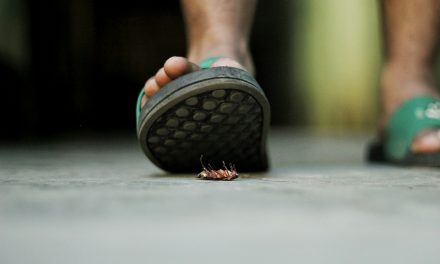
Stink bugs, scientifically known as Halyomorpha halys, are a species of true bugs belonging to the family Pentatomidae. These insects are easily identifiable by their distinctive shield-like shape, which typically measures between 1/2 to 3/4 inches in length. Their coloration ranges from brown to green, with some species exhibiting a more vibrant hue. The most notable feature of stink bugs is their ability to emit a foul-smelling odor when threatened or crushed, a defense mechanism that deters predators. This odor is produced by specialized glands located in their thorax, releasing a pungent chemical compound that can linger in the environment.
Stink bugs are primarily agricultural pests, feeding on a wide variety of crops, including fruits, vegetables, and ornamental plants. Their feeding habits can lead to significant economic losses for farmers, as they pierce plant tissues with their mouthparts to extract sap. This feeding behavior not only damages the plants but can also introduce pathogens, leading to further complications. During the colder months, these insects seek shelter in homes and buildings, where they can survive until warmer weather returns. Understanding their life cycle and habits is crucial for effective management and control.
Common Entry Points: How Stink Bugs Invade Your Home
Stink bugs are notorious for their ability to infiltrate homes, particularly during the fall months when they seek warmth and shelter. They often enter through small openings and cracks in the exterior of buildings. Common entry points include gaps around windows and doors, cracks in siding, and openings around utility pipes. Even the tiniest of openings can serve as an invitation for these pests to invade your living space.
Additionally, stink bugs can be inadvertently brought indoors through items such as clothing, bags, or even produce purchased from the grocery store. Once inside, they tend to congregate in warm areas, such as attics or near windows that receive sunlight. Their presence can be alarming due to their distinctive odor and potential for infestation. Identifying these entry points is essential for homeowners looking to prevent stink bug invasions.
Preventive Measures: Sealing Cracks and Gaps

To effectively prevent stink bugs from entering your home, it is imperative to seal any cracks and gaps in the building’s exterior. Begin by conducting a thorough inspection of your property, paying close attention to areas around windows, doors, and foundation walls. Use caulk or weather stripping to seal gaps around windows and doors, ensuring a tight fit that leaves no room for pests to enter.
In addition to sealing visible cracks, consider inspecting your home’s siding for any damage or gaps that may have developed over time. Repairing or replacing damaged siding can significantly reduce the likelihood of stink bugs finding their way inside. Furthermore, ensure that screens on windows and doors are intact and free from holes. By taking these preventive measures, homeowners can create a formidable barrier against stink bug invasions.
Natural Repellents to Keep Stink Bugs Away

For those seeking eco-friendly solutions to repel stink bugs, several natural repellents have proven effective. Essential oils such as peppermint, lavender, and neem oil are known for their insect-repelling properties. Mixing these oils with water in a spray bottle creates a natural deterrent that can be applied around entry points and areas where stink bugs are commonly found.
Another effective natural repellent is diatomaceous earth (DE), a fine powder made from fossilized algae. When sprinkled around potential entry points or areas where stink bugs congregate, DE acts as a desiccant that dehydrates insects upon contact. This method is safe for humans and pets while providing an effective barrier against unwanted pests. Utilizing these natural repellents can help maintain a stink bug-free environment without resorting to harsh chemicals.
Using Traps to Capture Stink Bugs Indoors
Trapping is an effective method for managing stink bug populations indoors. Commercially available traps designed specifically for stink bugs utilize attractants to lure them in before trapping them securely. These traps often contain a sticky surface or a container that prevents escape once the insect enters.
Homemade traps can also be created using simple materials found around the house. A mixture of soapy water in a shallow dish can attract stink bugs due to its surface tension-breaking properties. When they land on the water’s surface, they become trapped and unable to escape. Placing these traps near windows or areas where stink bugs are frequently seen can help reduce their numbers significantly.
Safe Chemical Treatments for Stink Bug Control
While natural methods are effective for prevention and control, some homeowners may opt for chemical treatments when dealing with severe infestations. It is essential to choose products specifically labeled for stink bug control and follow the manufacturer’s instructions carefully. Pyrethroid-based insecticides are commonly used due to their effectiveness against stink bugs while posing minimal risk to humans and pets when applied correctly.
Before applying any chemical treatment, it is advisable to conduct a thorough inspection of the affected areas and identify the extent of the infestation. Targeting specific areas where stink bugs congregate will enhance the effectiveness of the treatment while minimizing unnecessary exposure to chemicals in other parts of the home.
Removing Stink Bugs Without Causing Odor
When dealing with stink bugs indoors, it is crucial to remove them without causing them to release their characteristic odor. The best approach is to use a vacuum cleaner equipped with a hose attachment. This method allows for safe removal without crushing the insects, thus preventing odor release.
After vacuuming, it is advisable to dispose of the vacuum bag or contents immediately outside to prevent any lingering odors from permeating your home. Alternatively, using a container filled with soapy water can also be effective; simply submerge the stink bugs in the solution to eliminate them without causing odor issues.
Managing Outdoor Stink Bug Populations
To effectively manage outdoor stink bug populations, it is essential to adopt an integrated pest management approach. This includes monitoring local agricultural practices since stink bugs are often attracted to crops and gardens. Planting companion plants that repel stink bugs or attract beneficial insects can help reduce their numbers naturally.
Regularly inspecting your garden for signs of stink bug activity allows for early intervention before infestations escalate. Additionally, removing debris and maintaining proper sanitation around outdoor areas can minimize hiding spots for these pests. By implementing these strategies, homeowners can significantly reduce outdoor stink bug populations and prevent them from migrating indoors.
When to Call a Professional Exterminator
In cases where stink bug infestations become overwhelming or difficult to manage independently, it may be necessary to enlist the help of a professional exterminator. Signs that warrant professional intervention include persistent infestations despite DIY efforts, large numbers of stink bugs present in multiple areas of the home, or concerns about potential damage to property or crops.
Professional pest control services possess specialized knowledge and tools that enable them to effectively assess the situation and implement targeted treatments tailored to specific infestations. They can also provide valuable advice on long-term prevention strategies to minimize future occurrences.
Cleaning and Disinfecting After Stink Bug Removal
Once stink bugs have been successfully removed from your home, it is essential to clean and disinfect affected areas thoroughly. Begin by vacuuming any remaining debris or droppings left behind by the insects. Follow up with a disinfectant solution suitable for household surfaces to eliminate any potential pathogens introduced during the infestation.
Pay special attention to areas where stink bugs were frequently seen or congregated, such as windowsills or corners of rooms. Regular cleaning not only helps maintain a hygienic environment but also reduces the likelihood of attracting new pests in the future.
Long-Term Strategies to Prevent Future Infestations
To ensure long-term prevention of stink bug infestations, homeowners should adopt proactive measures throughout the year. Regularly inspect and maintain exterior seals on windows and doors while addressing any structural issues promptly. Implementing landscaping practices that deter stink bugs—such as removing overripe fruits or maintaining healthy plants—can also contribute significantly to prevention efforts.
Additionally, staying informed about local pest trends and seasonal behaviors will enable homeowners to anticipate potential infestations before they occur. By combining these strategies with ongoing monitoring and maintenance efforts, individuals can create an environment that is inhospitable to stink bugs.
In summary, understanding stink bugs—along with their habits and entry points—can significantly aid in preventing infestations within homes. Employing preventive measures such as sealing cracks, utilizing natural repellents, trapping methods, and safe chemical treatments can effectively manage existing populations while minimizing future risks. For severe infestations or persistent issues, seeking professional assistance may be necessary. Ultimately, maintaining cleanliness and implementing long-term strategies will ensure a pest-free living environment for years to come.
FAQs
What are stink bugs and why do they invade homes?
Stink bugs are a type of agricultural pest known for their distinctive odor when threatened. They typically invade homes in the fall as they seek warmth and shelter for the winter months. Their presence can be particularly bothersome as they can emit a foul smell when crushed or disturbed.
What are some effective methods to prevent stink bugs from entering my home?
To prevent stink bugs from entering your home, seal any cracks and gaps around windows, doors, and foundations. Use weather stripping on doors and windows, and install screens on vents and chimneys. Additionally, keeping outdoor lights off or using yellow bulbs can help reduce their attraction to your home.
How can I safely remove stink bugs from my house?
To safely remove stink bugs, you can use a vacuum cleaner with a hose attachment to capture them without crushing them. Alternatively, you can use a jar or container to trap them and then release them outside. Avoid using pesticides indoors, as they can be harmful to humans and pets.
Are there any natural repellents for stink bugs?
Yes, natural repellents such as essential oils (like peppermint or neem oil) can deter stink bugs. Mixing these oils with water in a spray bottle and applying them around entry points can help keep stink bugs at bay. Additionally, diatomaceous earth can be sprinkled around the perimeter of your home to create a barrier.
When is the best time to take action against stink bugs?
The best time to take action against stink bugs is in the late summer and early fall, before they start seeking shelter indoors. This proactive approach can help minimize their entry into your home as the weather cools down. Regular inspections and preventive measures during this time can significantly reduce infestations.