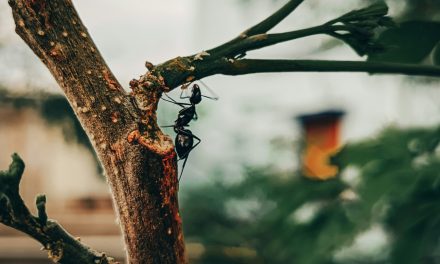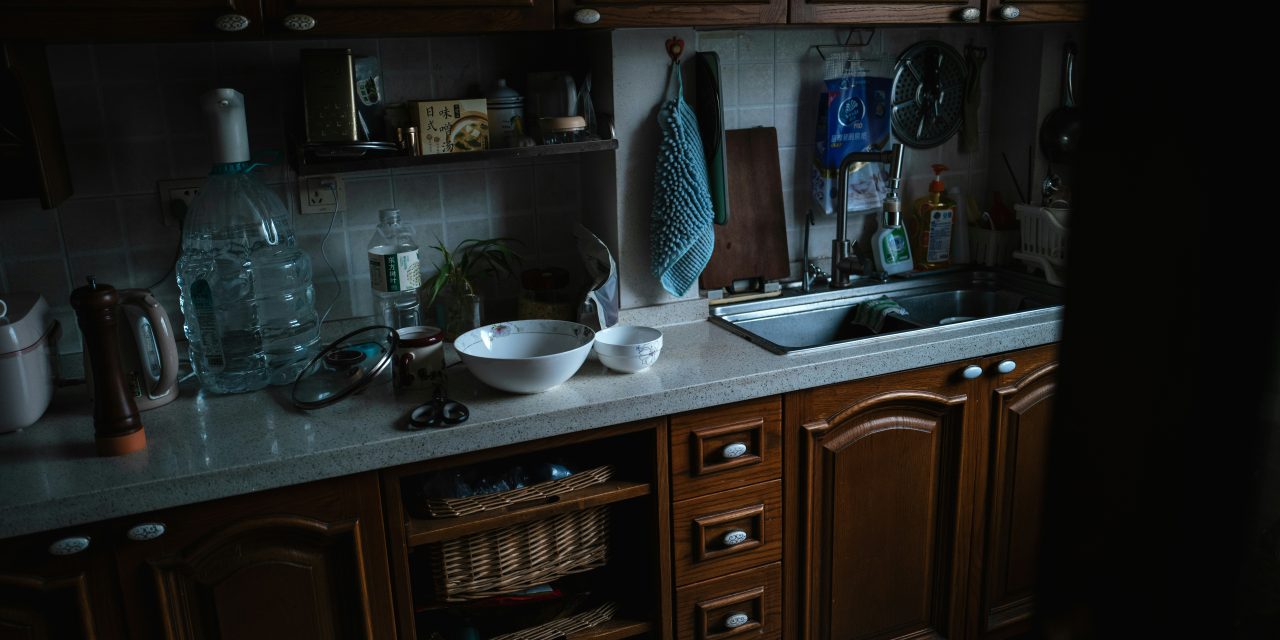
Cockroaches, particularly the German and American species, are notorious for infiltrating kitchen cabinets. Their attraction to these spaces stems from the availability of food, moisture, and warmth. Kitchens provide an ideal environment for these pests, as they thrive in areas where organic matter is present. Roaches are omnivorous scavengers, consuming a wide range of substances, including crumbs, grease, and even packaging materials. Their ability to survive on minimal sustenance makes them formidable invaders.
Moreover, roaches are nocturnal creatures, preferring to forage during the night when human activity is minimal. This behavior allows them to remain undetected while they search for food sources. The presence of roaches in kitchen cabinets can lead to contamination of food items and surfaces, posing significant health risks. They are known carriers of various pathogens, including Salmonella and E. coli, which can lead to foodborne illnesses. Understanding their motivations for invading kitchen cabinets is crucial for implementing effective prevention strategies.
Identifying Common Roach Entry Points
To effectively combat a roach infestation, it is essential to identify their common entry points. Cockroaches can infiltrate homes through various means, including cracks in walls, gaps around windows and doors, and even through plumbing systems. They are adept at squeezing through tiny openings, often as small as 1/16th of an inch. This adaptability allows them to access kitchen cabinets from multiple angles.
Additionally, roaches can hitch rides on grocery bags, cardboard boxes, and second-hand appliances. It is vital to inspect these items before bringing them into the home. Pay particular attention to areas where pipes enter the walls or where electrical conduits are installed; these are prime locations for roach entry. By understanding these pathways, homeowners can take proactive measures to seal off potential access points and reduce the likelihood of an infestation.
Decluttering and Organizing Cabinets to Deter Roaches

A cluttered kitchen cabinet provides an ideal habitat for cockroaches. Piles of dishes, food containers, and miscellaneous items create hiding spots that allow roaches to thrive undisturbed. To deter these pests, it is essential to declutter and organize cabinets systematically. Start by removing all items from the cabinets and thoroughly inspecting them for signs of infestation.
Once the cabinets are empty, categorize items based on their usage and frequency. Store frequently used items at eye level for easy access while placing less frequently used items higher up or in less accessible areas. This organization not only makes it easier to find what you need but also minimizes the number of hiding spots available for roaches. Regularly reassessing cabinet contents will help maintain an organized space that is less inviting to pests.
Proper Food Storage Techniques to Prevent Infestations

Proper food storage is a critical component in preventing cockroach infestations in kitchen cabinets. Roaches are attracted to food sources that are easily accessible; therefore, it is essential to store food in airtight containers made of glass or heavy-duty plastic. These containers not only keep food fresh but also prevent roaches from accessing their preferred food sources.
Additionally, it is advisable to keep pantry items off the floor and away from walls whenever possible. Elevating food storage reduces the likelihood of roaches finding their way into your supplies. Regularly check expiration dates and dispose of any expired or spoiled food items promptly. By implementing these food storage techniques, homeowners can significantly reduce the risk of attracting cockroaches into their kitchens.
Regular Cleaning Practices for Kitchen Cabinets
Maintaining a clean kitchen is paramount in preventing cockroach infestations. Regular cleaning practices should include wiping down cabinet surfaces with a disinfectant cleaner to eliminate any food residues or spills that may attract pests. Pay special attention to corners and crevices where crumbs may accumulate.
In addition to surface cleaning, it is essential to vacuum the interiors of cabinets periodically. This practice removes any hidden debris that could serve as a food source for roaches. Consider using a vacuum with a HEPA filter to capture allergens and pest droppings effectively. Establishing a routine cleaning schedule will help ensure that your kitchen remains inhospitable to cockroaches.
Sealing Cracks and Gaps to Block Roach Access
Sealing cracks and gaps around the kitchen is a proactive measure that can significantly reduce the likelihood of cockroach entry. Inspect walls, baseboards, and around plumbing fixtures for any visible openings that could serve as entry points for these pests. Use caulk or expanding foam insulation to seal these gaps effectively.
In addition to sealing visible cracks, consider installing door sweeps on exterior doors and ensuring that windows are fitted with screens that are free from tears or holes. These measures create a barrier that prevents roaches from entering your home while still allowing for ventilation. By addressing potential entry points, homeowners can create an environment that is less conducive to infestations.
Using Natural Repellents and Deterrents
Natural repellents can be an effective way to deter cockroaches without resorting to harsh chemicals. Essential oils such as peppermint oil, tea tree oil, and eucalyptus oil have been shown to repel roaches due to their strong scents. Mixing a few drops of these oils with water in a spray bottle can create a natural deterrent that can be applied around kitchen cabinets and entry points.
Additionally, diatomaceous earth (DE) is a natural substance that can be sprinkled in areas where roaches are likely to travel. DE works by dehydrating insects upon contact, making it an effective barrier against infestations. When using natural repellents, it is essential to reapply them regularly for maximum effectiveness.
Applying Safe Insecticides and Baits
In cases where natural methods are insufficient, safe insecticides and baits can be employed as part of an integrated pest management strategy. Look for products specifically designed for indoor use that contain active ingredients such as boric acid or hydramethylnon. These substances target cockroaches while posing minimal risk to humans and pets when used according to label instructions.
Baits are particularly effective because they attract roaches with enticing food sources while delivering a lethal dose of insecticide upon ingestion. Place baits strategically in areas where roach activity has been observed, such as under sinks or behind appliances. It is crucial to follow all safety guidelines when applying insecticides to ensure the safety of household members.
Maintaining Kitchen Moisture Levels to Discourage Roaches
Cockroaches thrive in moist environments; therefore, maintaining appropriate moisture levels in the kitchen is vital for prevention efforts. Regularly check for leaks under sinks and around appliances, promptly repairing any issues that may contribute to excess moisture. Ensure that dishwashers and refrigerators are functioning correctly and not leaking water.
Additionally, consider using a dehumidifier in particularly humid areas of the kitchen or during seasons when humidity levels rise significantly. Reducing moisture levels will create an environment that is less hospitable to cockroaches while also improving overall air quality in the home.
Monitoring and Inspecting Cabinets Regularly
Regular monitoring and inspection of kitchen cabinets are essential components of effective pest management. Conduct routine checks for signs of cockroach activity, such as droppings, egg cases, or shed skins. Early detection allows for prompt intervention before an infestation becomes established.
Keep a log of any sightings or signs of activity to identify patterns or trends over time. This information can be invaluable in determining the effectiveness of your prevention strategies and making necessary adjustments as needed.
When to Call a Professional Exterminator for Persistent Problems
If preventive measures fail to eliminate a cockroach infestation or if signs of activity persist despite diligent efforts, it may be time to consult a professional exterminator. Pest control experts possess specialized knowledge and tools that can effectively address severe infestations.
When selecting an exterminator, look for licensed professionals who utilize integrated pest management techniques that prioritize safety and environmental responsibility. A thorough inspection will help identify the extent of the infestation and develop a tailored treatment plan that addresses both immediate concerns and long-term prevention strategies.
In summary, understanding why cockroaches invade kitchen cabinets is crucial for effective prevention and management strategies. Identifying entry points, decluttering spaces, employing proper food storage techniques, maintaining cleanliness, sealing gaps, using natural repellents or insecticides, managing moisture levels, monitoring regularly, and knowing when to seek professional help are all integral components in combating these resilient pests effectively. By implementing these strategies diligently, homeowners can create an environment that deters cockroaches and promotes a healthier living space.
FAQs
What are some common signs of a roach infestation in kitchen cabinets?
Common signs of a roach infestation include finding droppings that resemble coffee grounds or black pepper, noticing a musty odor, discovering shed skins, and spotting live roaches, especially at night when they are most active. Additionally, you may find egg cases, which are brown and oval-shaped, hidden in dark corners or crevices.
How can I prevent roaches from entering my kitchen cabinets?
To prevent roaches from entering your kitchen cabinets, ensure that all food is stored in airtight containers, regularly clean surfaces to remove crumbs and spills, seal any cracks or gaps in walls and cabinets, and maintain a clutter-free environment. Additionally, consider using natural repellents like bay leaves or essential oils, which can deter roaches.
What cleaning practices can help keep roaches away?
Regular cleaning practices that can help keep roaches away include wiping down kitchen surfaces daily, vacuuming crumbs and debris, washing dishes promptly, and cleaning under appliances and inside cabinets. It’s also important to take out the trash regularly and ensure that garbage bins are tightly sealed.
Are there any natural remedies to repel roaches from kitchen cabinets?
Yes, several natural remedies can repel roaches, such as using a mixture of baking soda and sugar, which attracts and kills them, or placing essential oils like peppermint or tea tree oil in cotton balls around cabinets. Additionally, diatomaceous earth can be sprinkled in areas where roaches are likely to hide, as it dehydrates and kills them upon contact.
When should I consider calling a pest control professional for roach problems?
If you notice a significant infestation, see multiple live roaches during the day, or find evidence of nesting, it may be time to call a pest control professional. Additionally, if your DIY efforts to eliminate roaches are unsuccessful after a few weeks, seeking professional help can provide more effective and long-lasting solutions.