Carpenter bees (Xylocopa spp.) are large, robust insects that resemble bumblebees but possess distinct characteristics that set them apart. These solitary bees are known for their propensity to bore into wood, particularly untreated or weathered timber, which can lead to significant structural damage over time. Unlike termites, which consume wood, carpenter bees excavate tunnels within the wood to create nesting sites for their offspring. This behavior can compromise the integrity of wooden structures, especially wood siding, leading to costly repairs and potential safety hazards.
The impact of carpenter bees on wood siding is particularly concerning for homeowners and property managers. Their nesting habits can weaken the structural components of buildings, resulting in aesthetic degradation and increased susceptibility to moisture intrusion. Furthermore, the presence of these bees can attract other pests, compounding the problem. Understanding the behavior and lifecycle of carpenter bees is crucial for effective management and prevention strategies.
Understanding Carpenter Bee Behavior and Nesting Habits
Carpenter bees exhibit unique behavioral patterns that are essential to their survival and reproduction. Adult females are responsible for excavating tunnels in wood, typically measuring about 1/2 inch in diameter. They prefer softwoods such as cedar, pine, and fir, often targeting areas that are exposed to sunlight. The female bee creates a series of interconnected chambers within the tunnel, where she lays her eggs and provisions them with pollen and nectar.
Males, on the other hand, do not participate in nesting activities. Instead, they are known for their territorial behavior, often hovering around nesting sites and engaging in aggressive displays to ward off perceived threats. Despite their intimidating presence, male carpenter bees lack stingers and are generally harmless to humans. Understanding these behaviors is vital for homeowners seeking to mitigate infestations effectively.
Identifying Carpenter Bee Infestation Signs on Wood Siding
Detecting a carpenter bee infestation early can prevent extensive damage to wood siding. Homeowners should be vigilant for several telltale signs indicative of these pests. One of the most prominent indicators is the presence of perfectly round holes in the wood surface, typically measuring about 1/2 inch in diameter. These entry points may be accompanied by sawdust-like frass, which is a byproduct of their tunneling activities.
Additionally, homeowners may notice buzzing sounds emanating from within the wood, particularly during the spring and summer months when carpenter bees are most active. The presence of male bees hovering near nesting sites can also signal an infestation. Regular inspections of wood siding, especially in areas with direct sunlight exposure, can help identify these signs early and facilitate timely intervention.
Differentiating Carpenter Bees from Other Wood-Damaging Insects
It is essential to differentiate carpenter bees from other wood-damaging insects to implement appropriate control measures effectively. Carpenter bees are often confused with bumblebees due to their similar appearance; however, they can be distinguished by their shiny, hairless abdomens compared to the fuzzy bodies of bumblebees. Additionally, carpenter bees tend to have a more robust body structure.
Other wood-damaging insects include termites and wood-boring beetles. Unlike carpenter bees, termites consume wood as a food source, leaving behind mud tubes and hollowed-out galleries. Wood-boring beetles typically create small exit holes and may produce powdery frass rather than sawdust. Understanding these distinctions is crucial for homeowners to avoid misidentifying pests and ensure effective treatment strategies.
The Lifecycle of Carpenter Bees and Its Effect on Damage Severity
The lifecycle of carpenter bees consists of four stages: egg, larva, pupa, and adult. Females lay eggs in the tunnels they excavate, where larvae develop by feeding on the stored pollen and nectar. The duration of this lifecycle can vary based on environmental conditions but typically spans several weeks to months.
The severity of damage caused by carpenter bees correlates with their lifecycle stages. Newly emerged adults can continue to excavate tunnels in existing wood structures, exacerbating damage over time. If left untreated, a single female can produce multiple generations within a single nesting site, leading to extensive structural compromise. Understanding this lifecycle is critical for implementing timely interventions to mitigate damage.
Common Wood Siding Types Vulnerable to Carpenter Bee Attacks
Certain types of wood siding are more susceptible to carpenter bee infestations than others. Untreated softwoods such as pine, cedar, and fir are prime targets due to their softness and ease of excavation. Weathered or aged wood siding is particularly vulnerable as it becomes more porous and appealing for nesting.
Additionally, painted or stained wood surfaces may offer some protection; however, if the finish deteriorates or is compromised, it can expose the underlying wood to potential infestations. Homeowners should be aware of the materials used in their siding and take proactive measures to protect vulnerable areas from carpenter bee attacks.
Preventative Measures to Protect Wood Siding from Carpenter Bees
Preventing carpenter bee infestations requires a multifaceted approach that includes both physical barriers and environmental modifications. One effective strategy is to apply a protective sealant or paint to wooden surfaces, which can deter bees from boring into the material. Regular maintenance of wood siding is essential; any signs of wear or damage should be promptly addressed.
Additionally, homeowners can reduce the attractiveness of their properties by eliminating potential nesting sites. This includes removing old wooden structures such as fences or decks that may harbor existing infestations. Installing physical barriers such as mesh screens over vents or openings can also help prevent access to potential nesting areas.
Natural and Chemical Repellents for Carpenter Bees
A variety of natural and chemical repellents can be employed to deter carpenter bees from infesting wood siding. Essential oils such as peppermint oil, citrus oil, and tea tree oil have been shown to repel these insects effectively. Homeowners can create a homemade spray by mixing these oils with water and applying it directly to affected areas.
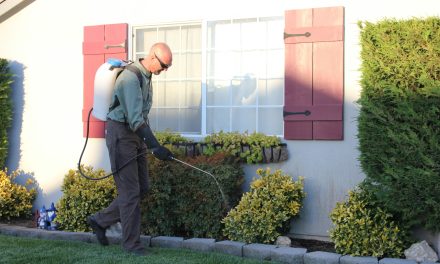
Chemical insecticides specifically formulated for carpenter bees are also available on the market. These products typically contain active ingredients such as pyrethroids or neonicotinoids that target adult bees upon contact or ingestion. It is crucial for homeowners to follow label instructions carefully when using chemical repellents to ensure safety and efficacy.
Repairing and Treating Wood Siding After Carpenter Bee Damage
Once an infestation has been addressed, repairing and treating damaged wood siding is essential for restoring structural integrity and preventing future issues. Homeowners should first assess the extent of damage by inspecting tunnels and entry points thoroughly. In cases where damage is minimal, filling holes with wood filler or epoxy can effectively restore the surface.
For more extensive damage, replacing affected boards may be necessary. It is advisable to use treated lumber or naturally resistant woods such as cedar or redwood for replacements to minimize future risks. After repairs are completed, applying a protective sealant or paint will help safeguard against future infestations.
When to Call a Professional Exterminator for Carpenter Bee Control
While some homeowners may attempt DIY methods for controlling carpenter bee populations, there are instances when professional intervention is warranted. If an infestation is extensive or if there are concerns about structural integrity, enlisting the help of a licensed pest control expert is advisable.
Professionals possess specialized knowledge and tools necessary for effectively addressing infestations while ensuring safety for both occupants and the environment. They can conduct thorough inspections, implement targeted treatments, and provide ongoing monitoring services to prevent future issues.
Long-Term Maintenance Tips to Keep Carpenter Bees Away
Maintaining a carpenter bee-free environment requires ongoing vigilance and proactive measures. Regular inspections of wood siding should be conducted at least once a year to identify any signs of wear or potential infestations early on. Keeping gutters clean and ensuring proper drainage around the foundation can also help reduce moisture levels that attract these pests.
In addition to physical maintenance, homeowners should consider planting bee-repellent flora around their properties. Certain plants such as marigolds and mint have been shown to deter carpenter bees naturally. By combining these strategies with regular upkeep and monitoring, homeowners can significantly reduce the likelihood of future infestations.
In summary, carpenter bees pose a significant threat to wooden structures through their nesting habits that lead to structural damage over time. Understanding their behavior, lifecycle, and signs of infestation is crucial for effective management strategies. Homeowners should implement preventative measures such as sealing wood surfaces and removing potential nesting sites while considering natural or chemical repellents when necessary. Repairing damaged siding promptly ensures structural integrity while professional extermination services may be required for extensive infestations. Long-term maintenance practices will further safeguard against future issues with these pests.
FAQs
What are carpenter bees and how do they damage wood siding?
Carpenter bees are large, solitary bees that resemble bumblebees. They create nests by boring holes into wood, particularly untreated or weathered wood siding. The damage occurs as they excavate tunnels for nesting, which can weaken the structural integrity of the wood over time.
What are the signs of carpenter bee infestation in wood siding?
Signs of carpenter bee infestation include small, perfectly round holes in the wood, sawdust or wood shavings near the entrance holes, and the presence of bees hovering around the area. Additionally, you may notice a buzzing sound as they tunnel inside the wood.
How can I prevent carpenter bees from nesting in my wood siding?
To prevent carpenter bees, you can paint or stain wood surfaces to seal them, as they prefer untreated wood. Regular maintenance, such as repairing damaged wood and filling in existing holes, can also deter them. Installing physical barriers like mesh screens over vents can help keep them out.
Are carpenter bees harmful to humans?
Carpenter bees are generally not aggressive and rarely sting unless provoked. However, their nesting behavior can lead to structural damage in wooden structures, which can pose indirect risks to safety. It’s important to manage infestations to prevent potential hazards.
What should I do if I find carpenter bees in my wood siding?
If you find carpenter bees in your wood siding, you can either contact a pest control professional for removal or take measures to eliminate them yourself. This may include using insecticidal dust in the holes or trapping methods. After removal, ensure to repair the damage and apply protective coatings to prevent future infestations.