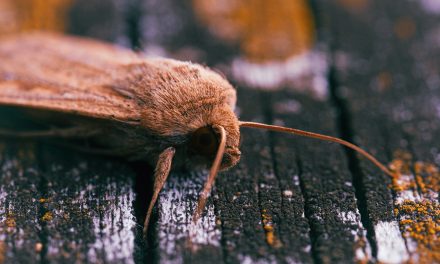
Mosquitoes are notorious vectors of various diseases, including malaria, dengue fever, and Zika virus. Understanding their breeding habits is crucial for effective control and prevention strategies. Female mosquitoes require stagnant water to lay their eggs, which can develop into larvae within 24 to 48 hours. Common breeding sites include ponds, marshes, and even small containers like flower pots or discarded tires. The ideal temperature for mosquito reproduction ranges from 75°F to 85°F (24°C to 29°C), making warm climates particularly conducive to their proliferation.
Moreover, different species of mosquitoes exhibit varying preferences for breeding habitats. For instance, Aedes aegypti, the primary vector for dengue and Zika, prefers artificial containers, while Culex pipiens thrives in natural bodies of water. Understanding these nuances allows homeowners and communities to target specific breeding sites effectively. By identifying and monitoring these habitats, proactive measures can be implemented to disrupt the mosquito life cycle before populations explode.
Eliminating Standing Water Sources
One of the most effective strategies for mosquito control is the elimination of standing water sources. This involves regularly inspecting your property for any areas where water may accumulate. Common culprits include clogged gutters, bird baths, and even pet dishes left outside. It is essential to empty or treat these water sources at least once a week to prevent mosquito larvae from developing.
In addition to personal property, community efforts are vital in addressing larger standing water sources. Local governments can implement drainage improvements and public awareness campaigns to educate residents about the importance of maintaining clean environments. By working together to eliminate standing water, communities can significantly reduce mosquito populations and the associated health risks.
Maintaining Your Garden and Lawn

A well-maintained garden and lawn can serve as a deterrent to mosquito breeding. Regularly mowing the lawn and trimming overgrown vegetation reduces shaded areas where mosquitoes prefer to rest during the day. Additionally, keeping shrubs and bushes well-pruned allows for better air circulation, making it less hospitable for these pests.
Furthermore, consider incorporating landscaping techniques that discourage mosquito habitation. For example, planting native species that are less attractive to mosquitoes can help maintain a balanced ecosystem. Additionally, using mulch can prevent water accumulation in garden beds, further reducing potential breeding sites. By adopting these practices, homeowners can create an environment that is less conducive to mosquito proliferation.
Properly Managing Gutters and Drains

Gutters and drains play a crucial role in managing water runoff around your home. However, if not properly maintained, they can become breeding grounds for mosquitoes. Regularly cleaning gutters to remove debris ensures that water flows freely and does not pool in any areas. It is advisable to inspect gutters at least twice a year, particularly before the rainy season.
In addition to cleaning, consider installing gutter guards or screens to prevent leaves and debris from clogging the system. This simple measure can significantly reduce the likelihood of standing water accumulation in gutters. Furthermore, ensuring that downspouts direct water away from the foundation of your home can help mitigate potential breeding sites in your yard.
Using Mosquito-Repellent Plants
Incorporating mosquito-repellent plants into your garden can serve as a natural deterrent against these pests. Certain plants contain essential oils that are known to repel mosquitoes effectively. Examples include citronella grass, lavender, marigolds, and basil. Planting these species around your home not only enhances your garden’s aesthetic appeal but also provides a natural barrier against mosquitoes.
Moreover, utilizing these plants in outdoor living spaces can create a more enjoyable environment for family gatherings or barbecues. Crushing the leaves of these plants releases their oils into the air, further enhancing their repellent properties. By strategically placing mosquito-repellent plants around patios and entryways, homeowners can create a more comfortable outdoor experience while reducing mosquito presence.
Installing Mosquito Traps and Barriers
Mosquito traps and barriers are effective tools for controlling mosquito populations in residential areas. Various types of traps are available on the market, including CO2 traps that mimic human breath or UV light traps that attract mosquitoes through light emissions. These devices capture mosquitoes and reduce their numbers over time.
In addition to traps, physical barriers such as screens on windows and doors can prevent mosquitoes from entering your home. Ensure that all screens are intact and free from holes or tears. Installing mosquito nets over outdoor seating areas or patios provides an additional layer of protection against these pests while allowing you to enjoy the outdoors comfortably.
Applying Safe Larvicides to Water Features
For homeowners with water features such as ponds or fountains, applying safe larvicides can be an effective method for controlling mosquito populations without harming other wildlife. Larvicides target mosquito larvae specifically, preventing them from maturing into adult mosquitoes capable of breeding.
When selecting a larvicide, it is essential to choose products that are environmentally friendly and safe for aquatic life. Bacillus thuringiensis israelensis (Bti) is a commonly used biological larvicide that effectively targets mosquito larvae while posing minimal risk to other organisms. Regular application of larvicides in stagnant water sources can significantly reduce mosquito populations and contribute to overall pest management efforts.
Sealing Entry Points Around Your Home
Preventing mosquitoes from entering your home is just as important as controlling their populations outside. Sealing entry points around your home can significantly reduce the likelihood of indoor infestations. Inspect windows and doors for gaps or cracks that may allow mosquitoes to enter and use weather stripping or caulk to seal these openings effectively.
Additionally, consider installing door sweeps on exterior doors to prevent mosquitoes from slipping inside when doors are opened frequently. Regularly checking screens for damage and repairing any holes promptly will further enhance your home’s defenses against these pests.
Encouraging Natural Predators
Encouraging natural predators of mosquitoes can be an effective biological control strategy. Birds, bats, dragonflies, and certain fish species feed on mosquito larvae or adults, helping to keep populations in check naturally. Creating habitats that attract these predators can enhance your yard’s ecosystem while reducing reliance on chemical control methods.
For instance, installing birdhouses or bat boxes can provide nesting sites for these beneficial creatures. Additionally, maintaining a diverse garden with native plants can attract insects that serve as food sources for birds and bats. By fostering a balanced ecosystem, homeowners can promote natural pest control while enjoying the benefits of a vibrant outdoor environment.
Regularly Cleaning Outdoor Containers and Equipment
Outdoor containers and equipment can inadvertently become breeding grounds for mosquitoes if not cleaned regularly. Items such as wheelbarrows, buckets, and children’s toys should be emptied of any standing water after rainstorms or watering activities. Additionally, regularly cleaning bird baths and pet dishes will prevent stagnant water accumulation.
It is advisable to inspect outdoor equipment at least once a week during peak mosquito season to ensure no standing water is present. By maintaining cleanliness in outdoor spaces, homeowners can significantly reduce potential breeding sites and contribute to overall mosquito control efforts.
Educating Family and Neighbors on Mosquito Prevention
Community involvement is essential in combating mosquito populations effectively. Educating family members and neighbors about mosquito prevention strategies fosters a collective effort toward reducing breeding sites in the area. Organizing neighborhood clean-up events focused on eliminating standing water sources can create a more significant impact than individual efforts alone.
Additionally, sharing information about the importance of maintaining gardens, managing gutters, and using mosquito-repellent plants can empower others to take action in their own yards. By fostering awareness within the community, residents can work together to create a healthier environment free from the threats posed by mosquitoes.
In summary, understanding mosquito breeding habits is crucial for effective control measures. Eliminating standing water sources, maintaining gardens and lawns, managing gutters properly, using repellent plants, installing traps and barriers, applying safe larvicides, sealing entry points around homes, encouraging natural predators, regularly cleaning outdoor containers, and educating neighbors are all vital strategies in reducing mosquito populations. By implementing these practices collectively within communities, we can significantly mitigate the risks associated with mosquito-borne diseases while enjoying our outdoor spaces safely and comfortably.
FAQs
What are the primary breeding sites for mosquitoes around the home?
Mosquitoes primarily breed in stagnant water. Common breeding sites include bird baths, clogged gutters, flower pots, pet water bowls, and any containers that can hold water, such as buckets or discarded tires. Even small amounts of water can serve as breeding grounds.
How can I eliminate standing water to prevent mosquito breeding?
To eliminate standing water, regularly check and empty any containers that can collect water, such as plant saucers, buckets, and toys. Clean gutters to ensure proper drainage, and change the water in bird baths at least once a week. Additionally, ensure that any outdoor equipment is stored properly to avoid water accumulation.
Are there any natural methods to deter mosquitoes from breeding?
Yes, several natural methods can deter mosquitoes from breeding. Planting mosquito-repelling plants such as citronella, lavender, and marigolds around your home can help. Additionally, introducing fish that eat mosquito larvae, like goldfish or guppies, into ornamental ponds can also reduce mosquito populations.
What role does landscaping play in mosquito control?
Landscaping can significantly impact mosquito control. Keeping grass and shrubs trimmed can reduce resting areas for adult mosquitoes. Additionally, ensuring proper drainage in landscaping features and avoiding overwatering plants can help minimize standing water where mosquitoes can breed.
How often should I check for mosquito breeding sites around my home?
It is advisable to check for mosquito breeding sites at least once a week, especially during warmer months when mosquitoes are most active. Regular inspections can help you identify and eliminate potential breeding grounds before they become a problem.