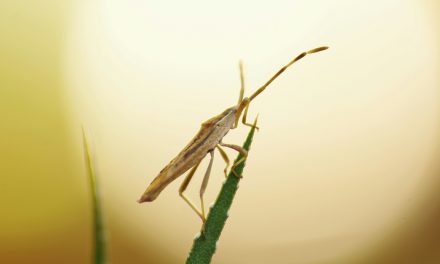
Carpet beetles, scientifically known as Anthrenus verbasci, are small, oval-shaped insects that belong to the family Dermestidae. These pests are notorious for their destructive feeding habits, particularly in households where they can wreak havoc on textiles, carpets, and other organic materials. Adult carpet beetles are typically 1/8 to 1/4 inch long and can be identified by their mottled appearance, which often features a combination of black, brown, and yellowish scales. Understanding the biology and behavior of these pests is crucial for effective management and prevention.
The life cycle of carpet beetles consists of four stages: egg, larva, pupa, and adult. The larval stage is particularly damaging, as these larvae feed voraciously on natural fibers such as wool, silk, and cotton. They are also attracted to animal products like feathers and fur. Given their ability to thrive in various environments, carpet beetles can be found in homes across the globe, making it essential for homeowners to be vigilant in identifying and addressing potential infestations.
Common Reasons Carpet Beetles Invade Homes
Carpet beetles are often drawn to homes due to several factors that create an inviting environment for them. One of the primary reasons for their invasion is the availability of food sources. Organic materials such as wool carpets, upholstered furniture, and even pet hair provide an ideal diet for these pests. Additionally, the presence of dead insects or animal remains can attract carpet beetles, as they feed on decomposing organic matter.
Another common reason for carpet beetle infestations is inadequate cleaning practices. Homes that are not regularly vacuumed or maintained can accumulate dust, lint, and other debris that serve as a food source for these pests. Furthermore, poorly sealed windows and doors can allow adult beetles to enter from the outside environment. Understanding these factors can help homeowners take proactive measures to prevent infestations before they occur.
Identifying Carpet Beetles: What They Look Like

Carpet beetles exhibit distinct physical characteristics that can aid in their identification. Adult carpet beetles are typically oval-shaped and range in color from black to brown with yellow or white markings. The most common species found in homes include the varied carpet beetle (Anthrenus verbasci), the black carpet beetle (Attagenus unicolor), and the furniture carpet beetle (Anthrenus flavipes). Each species has unique markings that can help differentiate them.
The larvae of carpet beetles are elongated and covered in bristly hairs, giving them a fuzzy appearance. They can vary in color from light brown to dark brown and may reach lengths of up to 1/4 inch. Recognizing both the adult and larval forms is essential for effective pest control, as the larvae are responsible for most of the damage caused by these pests.
Signs of a Carpet Beetle Infestation

Detecting a carpet beetle infestation early is crucial for minimizing damage to household items. Homeowners should be vigilant for several signs that indicate the presence of these pests. One of the most common indicators is the presence of shed larval skins, which can often be found near infested areas. These skins are light brown and resemble miniature exoskeletons.
Another telltale sign of an infestation is the presence of small holes or irregular patches in fabrics and carpets. As larvae feed on these materials, they create visible damage that can escalate quickly if left unaddressed. Additionally, homeowners may notice adult beetles crawling on surfaces or flying around light fixtures, particularly during warmer months when they are most active.
Areas of the Home Most Vulnerable to Carpet Beetles
Certain areas within a home are more susceptible to carpet beetle infestations due to environmental conditions and the presence of food sources. Common hotspots include closets, attics, and basements where organic materials may be stored without regular inspection. Carpets and rugs, especially those made from natural fibers, are also prime targets for these pests.
Moreover, upholstered furniture and bedding can harbor carpet beetles if not properly maintained. Areas where pet hair accumulates or where food particles may be present are particularly vulnerable. By identifying these high-risk areas, homeowners can take targeted action to prevent infestations from taking hold.
How Carpet Beetles Damage Household Items
The damage caused by carpet beetles can be extensive and costly if not addressed promptly. Larvae feed on natural fibers found in carpets, clothing, upholstery, and other household items made from wool, silk, or cotton. This feeding behavior can lead to unsightly holes and frayed edges in textiles, rendering them unusable.
In addition to textiles, carpet beetles can also damage stored items such as blankets, curtains, and even books if they contain organic materials like leather bindings or paper made from natural fibers. The cumulative effect of their feeding can result in significant financial loss for homeowners who may need to replace damaged items or invest in costly repairs.
Preventing Carpet Beetle Infestations: Cleaning Tips
Preventing carpet beetle infestations begins with implementing effective cleaning practices throughout the home. Regular vacuuming is essential for removing dust, lint, and pet hair that may attract these pests. Homeowners should pay special attention to corners, under furniture, and along baseboards where debris tends to accumulate.
In addition to vacuuming, laundering clothing and bedding regularly can help eliminate potential food sources for carpet beetles. Washing items in hot water and drying them on high heat can kill any eggs or larvae present. Furthermore, maintaining a clutter-free environment reduces hiding spots for these pests and makes it easier to spot any signs of infestation early.
Proper Storage to Deter Carpet Beetles
Proper storage techniques play a vital role in deterring carpet beetles from invading your home. When storing seasonal clothing or blankets, it is advisable to use airtight containers made from plastic or glass rather than cardboard boxes that may harbor pests. Vacuum-sealing items can further protect them from potential infestations.
Additionally, keeping stored items in cool, dry areas minimizes the risk of attracting carpet beetles. Regularly inspecting stored items for signs of damage or pest activity is also crucial for early detection. By implementing these storage strategies, homeowners can significantly reduce the likelihood of encountering carpet beetle infestations.
Natural and Chemical Methods to Control Carpet Beetles
When faced with a carpet beetle infestation, homeowners have several options for control—both natural and chemical methods are available. Natural remedies include diatomaceous earth (DE), a non-toxic powder that can be sprinkled in areas where carpet beetles are suspected. DE works by dehydrating insects upon contact, effectively eliminating them without harmful chemicals.
For those who prefer chemical treatments, insecticides containing pyrethroids or neonicotinoids can be effective against carpet beetles when applied according to label instructions. It is essential to treat not only visible infestations but also potential breeding grounds such as carpets and upholstery. Always follow safety precautions when using chemical treatments to protect both family members and pets.
When to Call a Professional Exterminator
While many homeowners may attempt DIY methods for controlling carpet beetle infestations, there are instances when professional intervention is necessary. If an infestation is extensive or if damage has already occurred to valuable items, enlisting the help of a licensed pest control expert may be the best course of action.
Professional exterminators have access to advanced treatment options and possess the expertise needed to identify the source of an infestation accurately. They can also provide tailored solutions based on the specific needs of your home while ensuring safe application of pesticides.
Maintaining a Carpet Beetle-Free Home
Maintaining a carpet beetle-free home requires vigilance and proactive measures from homeowners. By understanding the biology and behavior of these pests, identifying signs of infestation early on, and implementing effective cleaning and storage practices, individuals can significantly reduce their risk of encountering carpet beetles.
Regular inspections combined with natural or chemical control methods will help ensure that your home remains free from these destructive pests. Ultimately, a commitment to cleanliness and preventive measures will safeguard your household items from potential damage caused by carpet beetles.
**FAQ Section**
1. **What attracts carpet beetles?**
Carpet beetles are attracted to organic materials such as wool carpets, clothing made from natural fibers, pet hair, and even dead insects.
2. **How do I know if I have a carpet beetle infestation?**
Signs include shed larval skins, small holes in fabrics or carpets, adult beetles crawling on surfaces or flying around lights.
3. **Can carpet beetles damage synthetic fabrics?**
While they primarily feed on natural fibers like wool and silk, they may also damage synthetic fabrics if they contain organic materials.
4. **How often should I vacuum my home to prevent carpet beetles?**
Regular vacuuming at least once a week is recommended; however, more frequent cleaning may be necessary in high-risk areas.
5. **Are there any natural remedies for controlling carpet beetles?**
Yes! Diatomaceous earth is an effective natural remedy that dehydrates insects upon contact.
6. **When should I consider hiring a pest control professional?**
If you notice extensive damage or if DIY methods fail to control the infestation effectively.
7. **What types of insecticides are effective against carpet beetles?**
Insecticides containing pyrethroids or neonicotinoids are commonly used; always follow label instructions for safe application.
8. **Can I prevent carpet beetles by sealing my windows?**
Yes! Sealing windows and doors helps prevent adult beetles from entering your home.
9. **How do I properly store clothing to deter carpet beetles?**
Use airtight containers made from plastic or glass; vacuum-sealing items provides additional protection.
10. **Is it possible for carpet beetles to return after treatment?**
Yes; if preventive measures are not maintained post-treatment, there is a risk of reinfestation.
In summary, understanding carpet beetles’ biology and behavior is essential for effective management within homes. By recognizing signs of infestation early on and implementing preventive measures such as regular cleaning and proper storage techniques, homeowners can significantly reduce their risk of encountering these destructive pests while ensuring their household items remain safe from damage.
FAQs
What are carpet beetles and why are they in my house?
Carpet beetles are small insects belonging to the family Dermestidae. They are commonly found in homes where they feed on natural fibers such as wool, silk, and cotton, as well as on pet hair and dead insects. They may enter your house through open windows, doors, or by hitching a ride on clothing and other items.
What are the signs of a carpet beetle infestation?
Signs of a carpet beetle infestation include finding small, round holes in fabrics, shedding larvae skins, and the presence of adult beetles. You may also notice damage to carpets, upholstery, and clothing, as well as the presence of tiny, dark fecal pellets.
How can I prevent carpet beetles from entering my home?
To prevent carpet beetles, ensure that windows and doors are properly sealed, and use screens to keep them out. Regularly vacuum your home, especially areas with natural fibers, and store clothing and textiles in airtight containers. Additionally, keep your home clean and free of pet hair and food debris.
What should I do if I find carpet beetles in my home?
If you find carpet beetles, start by thoroughly cleaning the affected areas. Vacuum carpets, upholstery, and any other fabric items, and wash clothing in hot water. You may also consider using insecticides specifically designed for carpet beetles or contacting a pest control professional for assistance.
Are carpet beetles harmful to humans or pets?
Carpet beetles are not harmful to humans or pets in terms of direct bites or stings. However, their larvae can cause damage to clothing and household items. Some individuals may experience allergic reactions to carpet beetle hairs or feces, leading to respiratory issues or skin irritation.