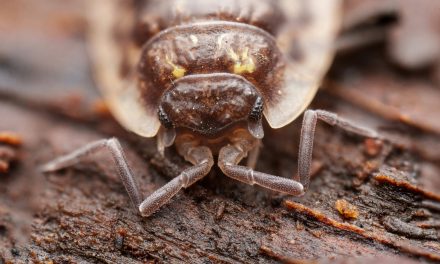
Homeowners insurance serves as a critical financial safeguard for property owners, providing coverage against various risks that can lead to significant financial loss. Among these risks, termite damage is a particularly insidious threat that can compromise the structural integrity of a home. Termites, often referred to as “silent destroyers,” can cause extensive damage before homeowners even realize they have a problem. Understanding the nuances of homeowners insurance in relation to termite damage is essential for effective risk management and home protection.
The relationship between homeowners insurance and termite damage is complex. While homeowners insurance typically covers a range of perils, including fire, theft, and certain types of water damage, it often excludes damage caused by pests like termites. This exclusion can leave homeowners vulnerable to substantial repair costs if an infestation goes unnoticed. Therefore, it is crucial for homeowners to be proactive in understanding their insurance policies and the specific risks associated with termite infestations.
Understanding Termite Damage: What It Is and How It Occurs
Termite damage refers to the destruction caused by various species of termites that feed on cellulose materials found in wood, paper, and other organic matter. The most common types of termites that cause damage in residential settings include subterranean termites, drywood termites, and dampwood termites. Each species has distinct behaviors and habitats, but they all share a common goal: to consume wood and other cellulose-based materials.
The process of termite damage begins when a colony establishes itself within or near a home. Subterranean termites typically enter through the soil, while drywood termites can infest wooden structures directly. Once inside, these pests create tunnels and galleries within the wood, weakening its structural integrity over time. The damage can be extensive, often going unnoticed until significant structural issues arise. Homeowners may observe signs such as hollow-sounding wood, discarded wings, or mud tubes along foundation walls, indicating an active infestation.
Typical Coverage Provided by Homeowners Insurance Policies

Homeowners insurance policies generally provide coverage for a variety of perils that can affect a home. Standard policies typically include protection against fire, theft, vandalism, and certain types of water damage. Additionally, liability coverage is often included to protect homeowners from legal claims arising from injuries or damages occurring on their property.
However, it is essential to note that while homeowners insurance covers many risks, it does not universally extend to all forms of damage. For instance, damage caused by natural disasters such as floods or earthquakes often requires separate policies or endorsements. Similarly, pest-related damages, including those caused by termites, are frequently excluded from standard homeowners insurance policies. This exclusion underscores the importance of understanding the limitations of coverage and seeking additional protection when necessary.
Why Termite Damage Is Usually Excluded from Coverage

The exclusion of termite damage from homeowners insurance policies stems from several factors. Primarily, insurers categorize termite infestations as preventable issues rather than sudden accidents or disasters. Since homeowners are expected to maintain their properties and take proactive measures against pests, insurers often view termite damage as a result of neglect rather than an insurable event.
Moreover, the financial implications of covering termite damage can be significant for insurance companies. Termite infestations can lead to extensive repairs that may cost thousands of dollars. By excluding this type of damage from coverage, insurers mitigate their risk exposure and keep premiums more affordable for policyholders. Consequently, homeowners must take responsibility for pest control measures to protect their investments effectively.
Differentiating Between Sudden Damage and Gradual Termite Damage
Understanding the distinction between sudden damage and gradual termite damage is crucial for homeowners navigating insurance claims and maintenance strategies. Sudden damage refers to incidents that occur unexpectedly and result in immediate harm to the property, such as a fallen tree or a burst pipe. These events are typically covered by homeowners insurance policies.
In contrast, termite damage is often gradual and insidious. The destruction occurs over time as termites consume wood and create tunnels within structural components. Because this type of damage develops slowly and may go unnoticed for extended periods, it is frequently categorized as maintenance-related rather than an insurable event. Homeowners must remain vigilant in monitoring their properties for signs of infestation to address potential issues before they escalate into significant damage.
The Role of Home Maintenance in Preventing Termite Infestations
Effective home maintenance plays a pivotal role in preventing termite infestations and minimizing the risk of damage. Homeowners should adopt a proactive approach to pest control by implementing preventive measures that deter termites from invading their properties. Regular inspections by pest control professionals can help identify vulnerabilities and address them before they become problematic.
Key maintenance practices include ensuring proper drainage around the foundation to prevent moisture accumulation, sealing cracks and crevices in walls and foundations, and storing firewood away from the home. Additionally, maintaining proper ventilation in attics and crawl spaces can reduce humidity levels that attract termites. By prioritizing these maintenance tasks, homeowners can significantly reduce their risk of termite infestations.
How to Identify Termite Damage Early
Early detection of termite damage is crucial for minimizing repair costs and preserving the structural integrity of a home. Homeowners should be vigilant in looking for signs of infestation and damage. Common indicators include:
1. **Mud Tubes**: These pencil-sized tubes made of soil and wood particles are often found along foundation walls or in crawl spaces.
2. **Hollow-Sounding Wood**: Tapping on wooden structures may reveal hollow sounds if termites have consumed the interior.
3. **Discarded Wings**: Swarmers shed their wings after mating; finding discarded wings near windows or doors may indicate an active infestation.
4. **Frass**: Termite droppings resemble small pellets or sawdust and may be found near infested areas.
Regular inspections by pest control professionals can also aid in early detection, allowing homeowners to address infestations before they cause significant damage.
Alternatives to Homeowners Insurance for Termite Protection
Given the limitations of homeowners insurance regarding termite damage coverage, homeowners may seek alternative solutions for protection against infestations. One option is to invest in a comprehensive pest control plan that includes regular inspections and treatments specifically targeting termites.
Many pest control companies offer annual contracts that provide ongoing monitoring and treatment services for termite prevention. These plans often include inspections every six months or annually, ensuring that any signs of infestation are detected early. Additionally, some companies offer warranties that cover repair costs associated with termite damage if an infestation occurs despite preventive measures.
Specialized Termite and Pest Control Insurance Options
In response to the growing awareness of termite-related risks, specialized insurance products have emerged to provide coverage specifically for pest-related damages. These policies may cover repair costs associated with termite infestations and related damages that standard homeowners insurance does not address.
When considering specialized pest control insurance options, homeowners should carefully review policy terms and conditions to understand coverage limits, exclusions, and any deductibles that may apply. Additionally, it is advisable to compare multiple providers to find a policy that aligns with individual needs and budget constraints.
Steps to Take if You Discover Termite Damage in Your Home
If homeowners discover signs of termite damage within their properties, prompt action is essential to mitigate further destruction. The following steps should be taken:
1. **Contact a Pest Control Professional**: Engage a licensed pest control expert who specializes in termite treatment to assess the extent of the infestation.
2. **Document Damage**: Take photographs and notes regarding visible damage for future reference or potential claims.
3. **Implement Treatment**: Follow the pest control professional’s recommendations for treatment options, which may include baiting systems or liquid insecticides.
4. **Repair Damaged Areas**: Once treatment is complete, address any structural repairs needed to restore the integrity of affected areas.
5. **Establish Preventive Measures**: Implement ongoing maintenance strategies to prevent future infestations.
Protecting Your Home from Termite Damage Beyond Insurance
In conclusion, protecting your home from termite damage requires a multifaceted approach that extends beyond traditional homeowners insurance coverage. Understanding the nature of termite infestations, recognizing early signs of damage, and implementing proactive maintenance strategies are essential components of effective risk management.
Homeowners should consider investing in specialized pest control plans or insurance options tailored specifically for termite protection while remaining vigilant about regular inspections and preventive measures. By taking these steps, property owners can safeguard their investments against the destructive potential of termites and ensure long-term structural integrity.
In summary, while homeowners insurance may not cover termite damage directly, proactive measures such as regular inspections, maintenance practices, and specialized pest control plans can significantly reduce the risk of infestations and associated repair costs.
FAQs
Does homeowners insurance typically cover termite damage?
No, homeowners insurance generally does not cover termite damage. Most standard homeowners insurance policies exclude damage caused by pests, including termites, as this is considered a maintenance issue rather than a sudden or accidental loss.
What types of damage are usually covered by homeowners insurance?
Homeowners insurance typically covers damage from perils such as fire, theft, vandalism, and certain natural disasters like storms or hail. However, it does not cover damage resulting from neglect or lack of maintenance, which includes termite infestations.
Are there any exceptions where termite damage might be covered?
In rare cases, if termite damage leads to a covered peril, such as a structural collapse due to weakened support beams, the resulting damage may be covered. However, the initial termite infestation and damage itself would not be covered.
What can homeowners do to protect against termite damage?
Homeowners can protect against termite damage by conducting regular inspections, maintaining proper drainage around the home, sealing cracks and crevices, and using preventive treatments such as bait systems or chemical barriers. Regular maintenance is key to preventing infestations.
Is termite damage considered a maintenance issue?
Yes, termite damage is considered a maintenance issue. Insurance companies typically view it as the homeowner’s responsibility to prevent and address pest infestations, which is why it is not covered under standard homeowners insurance policies.