The Spotted Lanternfly (Lycorma delicatula) has emerged as a significant pest in North America, particularly in the eastern United States. This invasive species, originally from Asia, poses a considerable threat to agriculture, horticulture, and the overall ecosystem. Its presence has raised alarms among farmers, gardeners, and environmentalists alike due to its destructive feeding habits and rapid reproduction rates. Understanding the biology, behavior, and management of this pest is crucial for mitigating its impact on both urban and rural landscapes.
The Spotted Lanternfly is not just a nuisance; it can cause severe economic damage by affecting crops such as grapes, apples, and hardwoods. As it continues to spread across various states, awareness and education about this pest are essential for effective control measures. This article aims to provide a comprehensive overview of the Spotted Lanternfly, including its origin, identification, life cycle, and the strategies for prevention and management.
Origin and Spread of the Spotted Lanternfly
The Spotted Lanternfly is native to parts of Asia, specifically China, India, and Vietnam. It was first identified in the United States in 2014 in Pennsylvania, likely having arrived via imported goods or plants. Since its initial detection, this pest has rapidly expanded its range, with confirmed sightings in several states including New Jersey, Delaware, Maryland, Virginia, and New York. The rapid spread can be attributed to its ability to hitch rides on vehicles, equipment, and even firewood.
The invasive nature of the Spotted Lanternfly is exacerbated by its high reproductive capacity. A single female can lay up to 50-60 eggs in a single mass, which can lead to exponential population growth if left unchecked. The pest’s adaptability to various environments further complicates control efforts. As it continues to establish itself in new areas, understanding its movement patterns and ecological preferences becomes increasingly important for effective management.
Physical Characteristics: How to Identify Spotted Lanternflies

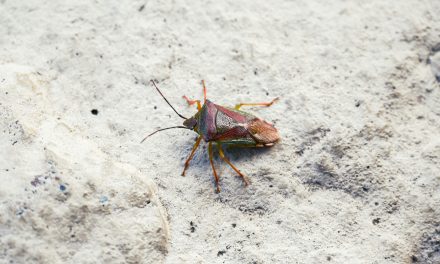
Identifying the Spotted Lanternfly is crucial for early detection and management. Adult specimens are approximately 1 inch long and 0.5 inches wide, featuring distinctive black bodies with white spots on their wings. Their hindwings are red with black spots, which become visible when they are in flight. Nymphs are smaller and undergo several molts; they start as black with white spots before transitioning into a red-and-black coloration as they mature.
In addition to their striking appearance, Spotted Lanternflies produce a sticky substance known as honeydew as they feed on plant sap. This excretion can lead to sooty mold growth on surfaces beneath infested plants, further indicating their presence. Familiarizing oneself with these characteristics can aid in prompt identification and reporting of this invasive species.
Life Cycle and Behavior Patterns

The life cycle of the Spotted Lanternfly consists of four stages: egg masses, nymphs (instars), and adults. Egg masses are laid in late fall and resemble a grayish putty-like substance that can be easily overlooked. Nymphs emerge in the spring and go through four instars before reaching adulthood by late summer. Adults are most commonly seen from late summer through fall.
Behaviorally, Spotted Lanternflies are known for their feeding habits. They prefer to feed on the sap of various host plants using their specialized mouthparts called stylets. This feeding not only weakens the plants but also creates entry points for pathogens. Their tendency to congregate in large numbers can lead to significant damage in a short period.
Signs of Spotted Lanternfly Infestation in Your Yard
Detecting a Spotted Lanternfly infestation early can significantly reduce damage to your plants. Key signs include the presence of adults or nymphs on trees or plants, as well as their characteristic egg masses on surfaces such as tree bark or outdoor furniture. Additionally, honeydew excretion can lead to sooty mold growth on leaves or surfaces below infested plants.
Another indicator of infestation is the presence of wilting or yellowing leaves on host plants. This symptom often results from sap depletion caused by extensive feeding. Regular inspections of your yard can help identify these signs early on, allowing for timely intervention.
Common Host Plants and Preferred Habitats
Spotted Lanternflies have a wide range of host plants but show a particular preference for the Tree of Heaven (Ailanthus altissima). Other common hosts include fruit trees such as apples and grapes, hardwoods like oak and maple, and ornamental plants like willow and birch. Their adaptability allows them to thrive in various habitats, including urban areas, forests, and agricultural fields.
Understanding the preferred habitats of Spotted Lanternflies can aid in targeted management efforts. They are often found in areas with abundant food sources and shelter from predators. By identifying these habitats within your vicinity, you can take proactive measures to protect your plants.
The Impact of Spotted Lanternflies on Gardens and Agriculture
The economic implications of Spotted Lanternfly infestations are profound, particularly for agricultural sectors reliant on crops such as grapes and apples. The pest’s feeding habits can lead to reduced yields and compromised fruit quality due to sap loss and potential disease transmission. In vineyards, for instance, infestations can result in significant financial losses due to decreased grape production.
Beyond agriculture, Spotted Lanternflies also pose threats to ornamental gardens and landscapes. Their feeding can weaken plants, making them more susceptible to diseases and other pests. The presence of sooty mold from honeydew excretion can detract from the aesthetic appeal of gardens and outdoor spaces.
Preventative Measures to Protect Your Yard
Preventing Spotted Lanternfly infestations requires a multifaceted approach that includes monitoring, habitat management, and community involvement. Regular inspections of your yard for signs of infestation are essential for early detection. Additionally, removing potential host plants such as Tree of Heaven can help reduce local populations.
Community awareness campaigns play a vital role in prevention efforts. Educating neighbors about the importance of reporting sightings can lead to quicker responses from local authorities. Furthermore, implementing best practices for landscaping—such as maintaining healthy plants through proper watering and fertilization—can enhance plant resilience against pests.
Effective Removal and Control Techniques
When faced with an infestation, several control techniques can be employed to manage Spotted Lanternfly populations effectively. Chemical treatments include insecticides specifically formulated for use against this pest; these may contain active ingredients such as imidacloprid or dinotefuran. It is crucial to follow label instructions carefully when applying these products to ensure safety and efficacy.
Cultural control methods also play a significant role in managing infestations. This includes physical removal of egg masses during winter months or using sticky traps placed around infested areas to capture nymphs and adults. Combining chemical treatments with cultural practices often yields the best results in controlling populations.
Reporting Sightings and Working with Local Authorities
Reporting sightings of Spotted Lanternflies is essential for tracking their spread and implementing control measures effectively. Many states have established reporting systems that allow residents to submit information about infestations easily. Engaging with local agricultural extension offices or pest management professionals can provide additional resources for managing this invasive species.
Collaboration with local authorities is vital for community-wide efforts against Spotted Lanternflies. Participating in workshops or educational programs organized by local agencies can enhance knowledge about identification and management strategies while fostering a sense of community responsibility.
Long-Term Strategies for Managing Spotted Lanternfly Populations
Long-term management strategies for Spotted Lanternflies should focus on integrated pest management (IPM) approaches that combine biological control methods with cultural practices and chemical treatments when necessary. Encouraging natural predators such as birds or beneficial insects can help keep populations in check over time.
Additionally, ongoing research into biological control agents offers promising avenues for future management strategies. Continued monitoring of local populations will be essential for adapting control measures as needed based on population dynamics and environmental conditions.
In summary, the Spotted Lanternfly represents a significant threat to both agriculture and urban landscapes across North America. Understanding its biology, behavior patterns, preferred habitats, and effective management strategies is crucial for mitigating its impact. By employing preventative measures, reporting sightings promptly, and collaborating with local authorities, communities can work together to manage this invasive pest effectively while protecting their gardens and agricultural interests from potential devastation.
FAQs
What are Spotted Lanternflies?
Spotted Lanternflies (Lycorma delicatula) are invasive pests native to Asia, first identified in the United States in Pennsylvania in 2014. They are known for their distinctive appearance, featuring black bodies with white spots and red underwings. These insects can cause significant damage to various plants, particularly fruit trees, hardwoods, and ornamentals.
How can I identify Spotted Lanternflies?
Spotted Lanternflies can be identified by their unique coloration and markings. Adults are about 1 inch long and have a black body with white spots, while their wings are gray with black spots and bright red underwings. Nymphs, which are immature stages, are black with white spots when they first hatch and turn red as they mature. Look for their egg masses, which resemble gray, mud-like smears and can contain up to 50 eggs.
What damage do Spotted Lanternflies cause?
Spotted Lanternflies feed on the sap of plants, which can weaken and stress the host plants, leading to reduced growth, fruit production, and even death. They also excrete a sticky substance called honeydew, which can attract other pests and lead to the growth of sooty mold, further harming the plants and surrounding ecosystem.
How can I protect my yard from Spotted Lanternflies?
To protect your yard from Spotted Lanternflies, you can take several measures: regularly inspect your plants for signs of infestation, remove any egg masses you find, and use sticky traps around your yard to catch adults. Additionally, consider using insecticides specifically labeled for Spotted Lanternflies, and consult with local agricultural extension services for further guidance on management strategies.
Are there any natural predators of Spotted Lanternflies?
Yes, there are some natural predators of Spotted Lanternflies, including certain species of wasps, birds, and other insects. However, these natural predators may not be sufficient to control large populations of Spotted Lanternflies. Integrated pest management strategies, which combine biological control with other methods, are often recommended for effective management of this invasive species.