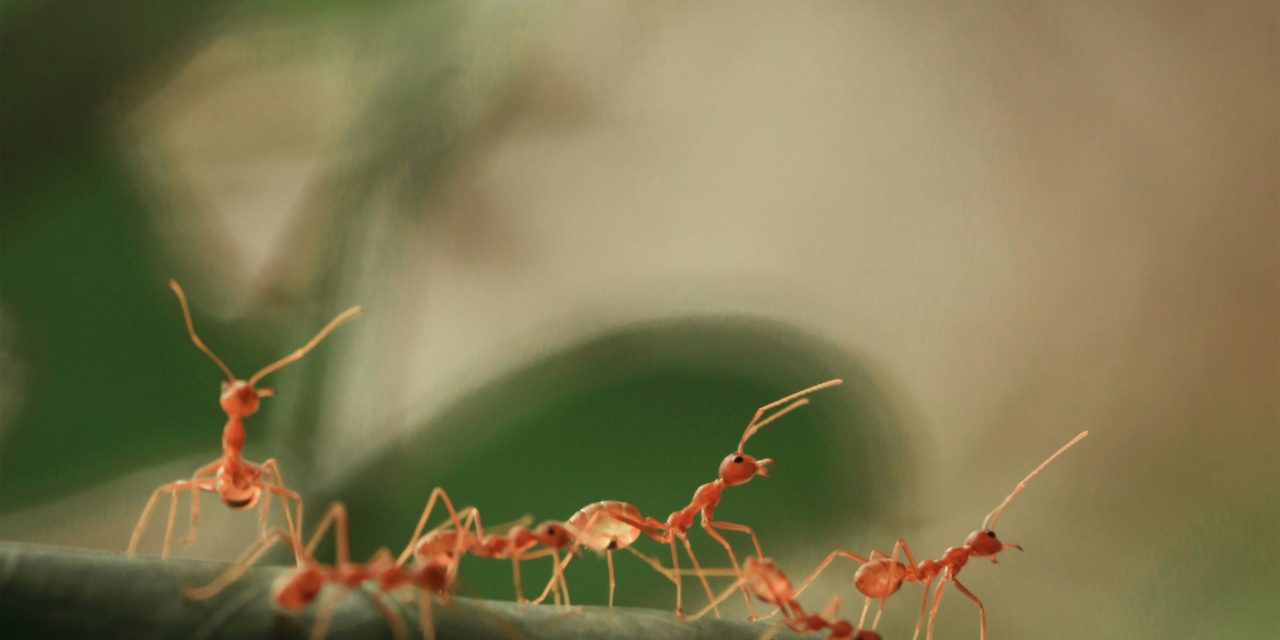
Ants are industrious insects that often invade potted plants for various reasons, primarily in search of food and shelter. These pests are attracted to the sweet secretions produced by aphids and other sap-sucking insects that may inhabit the foliage or stems of your plants. The presence of these honeydew-producing pests creates a symbiotic relationship, where ants protect the aphids from predators in exchange for a steady food source. Additionally, ants may be drawn to decaying organic matter within the soil, which serves as a nutrient-rich environment for their colonies.
Moreover, potted plants provide a warm and sheltered habitat that is conducive to ant nesting. The confined space of a pot can create an ideal microclimate, allowing ants to thrive undisturbed. This invasion can lead to significant damage not only to the plants themselves but also to the overall health of your indoor or outdoor garden. Understanding the motivations behind ant invasions is crucial for implementing effective control measures and ensuring the longevity of your potted plants.
Identifying the Type of Ants in Your Plants
Identifying the specific species of ants infesting your potted plants is essential for determining the most effective control strategies. Common ant species that invade gardens include the Argentine ant, carpenter ant, and odorous house ant. The Argentine ant is notorious for forming large colonies and is often found in moist environments, making it a frequent visitor to potted plants. Carpenter ants, on the other hand, can cause structural damage as they excavate wood to create nests, while odorous house ants emit a distinct odor when crushed.
To accurately identify these pests, observe their physical characteristics such as size, color, and behavior. Argentine ants are typically small and light brown, while carpenter ants are larger and can range from black to red. Noting their nesting habits can also provide clues; for instance, if you notice them trailing in a line or congregating around specific areas of your plant, it may indicate a nearby nest. Proper identification allows for targeted treatment options that can effectively eliminate the problem.
Inspecting Your Potted Plants for Ant Nests

Conducting a thorough inspection of your potted plants is vital in determining the extent of an ant infestation. Begin by examining the soil surface for signs of activity, such as small dirt mounds or trails leading to and from the pot. Gently remove the top layer of soil to check for hidden nests or tunnels beneath. Ant nests can often be found near the roots or within the soil itself, where they create intricate networks for their colonies.
Additionally, inspect the leaves and stems of your plants for any signs of aphid infestations or other pests that may attract ants. Look for sticky residues or black sooty mold, which can indicate honeydew production from aphids. If you discover an active nest, it is crucial to take immediate action to prevent further damage to your plants and curb the ant population before it escalates.
Natural Remedies to Repel Ants from Potted Plants

Natural remedies can be an effective way to repel ants without resorting to harsh chemicals that may harm your plants or the environment. One popular method involves using essential oils such as peppermint, tea tree, or citrus oils. These oils possess strong scents that deter ants from approaching your potted plants. To create a natural repellent spray, mix a few drops of essential oil with water in a spray bottle and apply it directly to the affected areas.
Another effective natural deterrent is vinegar. The acetic acid in vinegar disrupts ant pheromone trails, making it difficult for them to navigate back to their nests. A solution of equal parts vinegar and water can be sprayed around the base of your potted plants to create a barrier against these pests. Additionally, diatomaceous earth can be sprinkled on the soil surface; its abrasive properties will deter ants while being safe for your plants.
Using Diatomaceous Earth to Eliminate Ants
Diatomaceous earth (DE) is a natural powder made from fossilized algae that can effectively eliminate ants while being safe for both humans and pets. When ants come into contact with DE, it damages their exoskeletons, leading to dehydration and eventual death. To use diatomaceous earth against ants in potted plants, sprinkle a thin layer on the soil surface and around the base of the pot.
It is essential to choose food-grade diatomaceous earth for this purpose, as it is non-toxic and safe for use around edible plants. Reapply DE after watering or rainfall, as moisture can reduce its effectiveness. This method not only targets existing ant populations but also acts as a preventive measure against future infestations.
Applying Insecticidal Soap Safely on Potted Plants
Insecticidal soap is another effective treatment option for controlling ant populations in potted plants while minimizing harm to beneficial insects. This product works by suffocating soft-bodied insects such as aphids and spider mites that attract ants. When applying insecticidal soap, ensure that you follow the manufacturer’s instructions carefully to avoid damaging your plants.
Before widespread application, conduct a patch test on a small area of your plant to check for any adverse reactions. Spray the solution directly onto affected areas, including leaves and stems where pests may reside. It is advisable to apply insecticidal soap during cooler parts of the day to prevent leaf burn from direct sunlight. Regular applications may be necessary until you see a significant reduction in pest populations.
Creating Homemade Ant Deterrent Sprays
Creating homemade ant deterrent sprays can be an economical and eco-friendly solution for managing ant infestations in potted plants. One effective recipe involves mixing water with dish soap and essential oils known for their repellent properties. Combine one tablespoon of dish soap with two cups of water and add 10-15 drops of peppermint or tea tree oil. Shake well before use and spray directly onto affected areas.
Another option is a mixture of water and cayenne pepper or cinnamon, both of which are natural ant repellents. Combine one tablespoon of cayenne pepper or cinnamon with two cups of water in a spray bottle and apply it around your potted plants. These homemade sprays not only deter ants but also provide an aromatic benefit to your gardening space.
Maintaining Proper Watering to Prevent Ant Infestations
Proper watering practices play a crucial role in preventing ant infestations in potted plants. Overwatering can create a damp environment that attracts ants seeking moisture sources. Conversely, underwatering can stress plants, making them more susceptible to pest invasions. It is essential to establish a consistent watering schedule based on the specific needs of each plant species.
To maintain optimal moisture levels, consider using pots with drainage holes that allow excess water to escape. Additionally, monitor soil moisture regularly by inserting your finger into the soil; if it feels dry up to an inch deep, it’s time to water. By ensuring healthy plant conditions through proper watering techniques, you can significantly reduce the likelihood of attracting ants.
Repotting and Cleaning Soil to Remove Ant Colonies
If an ant infestation persists despite your best efforts, repotting may be necessary to eliminate hidden colonies within the soil. Carefully remove the plant from its pot and gently shake off excess soil to expose any nests or tunnels present. Inspect the root system for signs of damage caused by ants or other pests.
Once you have removed any visible nests, clean the pot thoroughly with soap and water before repotting your plant in fresh soil. This process not only eliminates existing ant colonies but also rejuvenates your plant’s growing medium, providing it with essential nutrients for healthy growth.
Preventing Future Ant Problems with Plant Care Tips
Preventing future ant problems requires ongoing vigilance and proper plant care practices. Regularly inspect your potted plants for signs of pests or damage, addressing any issues promptly before they escalate into larger infestations. Maintaining healthy plants through adequate sunlight exposure, proper fertilization, and pest management will create an environment less conducive to ant invasions.
Additionally, consider placing barriers around your pots such as sticky traps or diatomaceous earth to deter ants from approaching your plants. Keeping outdoor areas clean by removing debris and organic matter will also minimize potential nesting sites nearby.
When to Seek Professional Pest Control Assistance
In some cases, despite diligent efforts at home, ant infestations may become overwhelming or persistent enough that professional pest control assistance is warranted. If you notice extensive damage to your plants or if multiple treatment methods fail to yield results, consulting with a pest control expert can provide tailored solutions based on your specific situation.
Professionals have access to advanced treatment options and can identify underlying issues contributing to infestations that may not be apparent during casual inspections. They can also offer ongoing maintenance plans to ensure long-term pest management success.
In summary, understanding why ants invade potted plants is crucial for effective management strategies. Identifying ant species and inspecting for nests allows for targeted interventions using natural remedies like essential oils and diatomaceous earth or insecticidal soap treatments. Maintaining proper watering practices and repotting when necessary further aids in preventing infestations while ongoing vigilance ensures healthy plant care practices are upheld. In cases where infestations persist despite these efforts, seeking professional pest control assistance may be necessary for resolution.
FAQs
What attracts ants to potted plants?
Ants are often attracted to potted plants due to the presence of aphids or other pests that secrete honeydew, a sugary substance that ants feed on. Additionally, moist soil and decaying organic matter can also draw ants to the area.
How can I prevent ants from entering my potted plants?
To prevent ants from entering your potted plants, ensure that the soil is well-drained and avoid overwatering. You can also use barriers such as diatomaceous earth or sticky traps around the base of the pot to deter ants from climbing up.
What natural remedies can I use to get rid of ants in potted plants?
Natural remedies to get rid of ants include using a mixture of water and dish soap to spray directly on the ants and the soil. Other options include sprinkling cinnamon, coffee grounds, or vinegar around the pot, as these substances can repel ants.
Are chemical pesticides safe to use on potted plants?
While some chemical pesticides can be effective against ants, they may not be safe for all potted plants, especially edible ones. Always read the label for safety instructions and consider using organic or less toxic alternatives to protect your plants and the environment.
How can I identify if ants are harming my potted plants?
Ants themselves do not typically harm plants directly, but their presence may indicate other issues, such as aphid infestations. Look for signs of damage like yellowing leaves, stunted growth, or sticky residue on the leaves, which can indicate that the ants are farming pests that are harming your plants.