The bed bug treatment process is a multifaceted approach that requires a thorough understanding of the pest’s biology and behavior. Bed bugs, scientifically known as Cimex lectularius, are small, nocturnal insects that feed on human blood. Their ability to reproduce rapidly and hide in various crevices makes them particularly challenging to eradicate. The treatment process typically begins with a comprehensive inspection to identify the extent of the infestation. This may involve visual inspections, the use of detection dogs, or specialized monitoring devices.
Once the infestation is confirmed, a combination of methods is employed to eliminate these pests. Chemical treatments often include insecticides that target adult bed bugs and their eggs. Heat treatments are also effective, as bed bugs cannot survive temperatures above 120°F (49°C). Additionally, encasements for mattresses and box springs can prevent bed bugs from accessing these areas. The treatment plan should be tailored to the specific situation, taking into account the severity of the infestation and the living environment.
Signs to Look for Immediately After Treatment
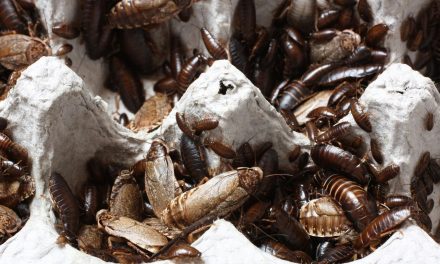
After undergoing treatment for bed bugs, it is crucial to monitor for signs that indicate whether the treatment was successful or if further action is needed. One of the primary indicators is the presence of live bed bugs. These pests are typically brown and oval-shaped, measuring about 1/4 inch in length. Additionally, look for dark spots on bedding or furniture, which may be fecal matter left behind by the insects. Blood stains on sheets can also signify recent feeding activity.
Another sign to observe is the presence of shed skins or exoskeletons. Bed bugs undergo several molts throughout their life cycle, and discarded skins can often be found in areas where they hide. If you notice an increase in these signs shortly after treatment, it may indicate that the infestation persists and requires further intervention. Monitoring for bites on exposed skin is also essential; however, reactions can vary significantly among individuals.
How Long to Wait Before Inspecting for Bed Bugs

Timing is critical when it comes to inspecting for bed bugs after treatment. It is generally recommended to wait at least two weeks before conducting a thorough inspection. This waiting period allows any remaining eggs to hatch and provides a clearer picture of the treatment’s effectiveness. Bed bug eggs are typically laid in clusters and can be challenging to detect due to their small size—approximately 1mm in length and white in color.
During this waiting period, it is essential to maintain vigilance and monitor for any signs of bed bug activity. Regular inspections of common hiding spots should be conducted, focusing on areas such as mattress seams, headboards, and baseboards. If live bed bugs are detected during this follow-up inspection, it may indicate that the initial treatment was insufficient or that new bed bugs have entered the environment.
Inspecting Common Hiding Spots Thoroughly

Bed bugs are notorious for their ability to hide in various locations within a home. To effectively inspect for these pests, it is crucial to focus on common hiding spots where they are likely to reside. Start with the bedroom, as this is typically where infestations begin. Check mattress seams, box springs, and bed frames meticulously for any signs of bed bugs or their excrement.
Beyond the bedroom, inspect other areas such as upholstered furniture, curtains, and even electrical outlets. Bed bugs can also hide in luggage, backpacks, and clothing, making it essential to examine these items thoroughly after travel. Utilizing a flashlight can aid in spotting these elusive insects in dark crevices. A systematic approach to inspection will increase the likelihood of identifying any remaining bed bugs and addressing them promptly.
Differentiating between live bed bugs, shed skins, and eggs is vital for effective pest management. Live bed bugs are easily recognizable due to their flat, oval shape and reddish-brown coloration after feeding. In contrast, shed skins are translucent and lighter in color, resembling miniature versions of adult bed bugs but lacking any internal organs.
Bed bug eggs are another critical component of identification; they are tiny (about 1mm), white, and often found in clusters in hidden areas. Understanding these differences will help homeowners accurately assess the situation and determine whether additional treatments are necessary. If only shed skins or eggs are found without any live insects present, it may indicate that the infestation is declining; however, continued monitoring is essential.
Using Bed Bug Detection Tools and Monitors
Incorporating bed bug detection tools into your pest management strategy can significantly enhance your ability to identify infestations early on. Various devices are available on the market designed specifically for detecting bed bugs. These include passive monitors that attract bed bugs using heat or carbon dioxide and active monitors that utilize pheromones to lure them in.
Additionally, bed bug interceptors can be placed under furniture legs to trap any insects attempting to climb onto beds or sofas. These tools provide valuable insights into whether bed bugs are present in your environment and can help guide treatment decisions. Regularly checking these devices can facilitate early detection and prompt action before an infestation escalates.
Monitoring for Bites and Skin Reactions
Monitoring for bites and skin reactions is an essential aspect of assessing a potential bed bug infestation. Bed bug bites typically appear as small red welts or bumps on exposed skin and may be accompanied by itching or irritation. However, reactions can vary widely among individuals; some may experience no symptoms at all while others may develop severe allergic reactions.
It is important to note that bites may not appear immediately after being bitten; they can take several days to manifest. Keeping a record of any bites or skin reactions can help establish a timeline for potential infestations and assist pest control professionals in determining the severity of the problem. If bites persist despite treatment efforts, further investigation may be warranted.
When to Conduct Follow-Up Treatments
Follow-up treatments play a crucial role in ensuring complete eradication of bed bugs from your living space. If live bed bugs are detected during inspections after initial treatment, it is advisable to schedule follow-up treatments promptly. Typically, follow-up treatments should occur every two weeks until no signs of activity are observed.
In some cases, additional methods such as heat treatments or fumigation may be necessary if chemical treatments alone prove ineffective. Collaborating with a licensed pest control professional will provide guidance on the appropriate timing and methods for follow-up treatments based on the specific circumstances of your infestation.
The Role of Professional Pest Control Inspections
Engaging professional pest control services can significantly enhance your chances of successfully eliminating bed bugs from your home. Pest control experts possess specialized knowledge and experience in identifying infestations and implementing effective treatment strategies tailored to individual situations.
During an inspection, professionals will conduct a thorough assessment of your property using advanced detection tools and techniques. They will also provide recommendations for preventive measures to reduce the risk of future infestations. Collaborating with professionals ensures that you receive comprehensive support throughout the treatment process.
Maintaining Cleanliness to Prevent Reinfestation
Maintaining cleanliness is paramount in preventing reinfestation after successfully treating bed bugs. Regular vacuuming of carpets, upholstery, and bedding can help eliminate any remaining eggs or insects that may have been overlooked during treatment. It is also advisable to wash bedding and clothing in hot water regularly to kill any potential pests.
Decluttering your living space reduces hiding spots for bed bugs and makes inspections easier. Additionally, sealing cracks and crevices around baseboards and furniture can limit their access points into your home. Implementing these preventive measures will create an inhospitable environment for bed bugs and significantly reduce the likelihood of reinfestation.
Knowing When It’s Safe to Declare Bed Bugs Gone
Determining when it is safe to declare that bed bugs are gone requires careful monitoring over time. After completing treatment and conducting follow-up inspections without finding any signs of activity for at least six weeks, you may consider declaring success in eradicating these pests.
However, continued vigilance is essential even after this period; maintaining cleanliness and utilizing detection tools will help ensure that any potential reinfestation is caught early on. By remaining proactive in your approach to pest management, you can enjoy peace of mind knowing that your home is free from bed bugs.
In summary, understanding the complexities of bed bug treatment involves recognizing signs of infestation, conducting thorough inspections, utilizing detection tools, monitoring bites, engaging professionals when necessary, maintaining cleanliness, and knowing when it’s safe to declare victory over these pests. By following these guidelines diligently, homeowners can effectively manage bed bug infestations and prevent future occurrences.
FAQs
How long does it take to know if bed bugs are gone after treatment?
It typically takes about 2 to 4 weeks after treatment to determine if bed bugs are gone. This timeframe allows for any remaining eggs to hatch and be eliminated during follow-up treatments.
What signs should I look for to confirm bed bugs are gone?
Look for signs such as the absence of live bugs, no new bites on your skin, and no shed skins or fecal spots in areas where bed bugs were previously found. Regular inspections of bedding and furniture can help confirm their absence.
Should I continue to monitor for bed bugs after treatment?
Yes, it is advisable to continue monitoring for bed bugs for several weeks after treatment. Regular inspections and using bed bug monitors can help ensure that any remaining bugs are detected early.
Can I use traps to check for bed bugs after treatment?
Yes, using bed bug traps can be an effective way to monitor for any remaining bed bugs after treatment. These traps can help capture any bugs that may have survived or re-entered the area.
What should I do if I find bed bugs after treatment?
If you find bed bugs after treatment, it is important to contact your pest control professional immediately. They may recommend additional treatments or inspections to ensure complete eradication.