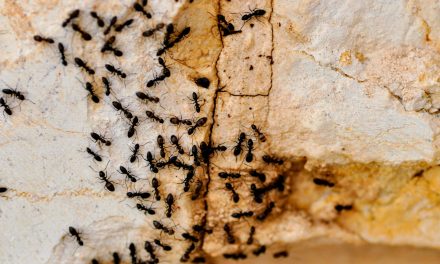
Ants are a diverse group of insects belonging to the family Formicidae, with over 12,000 species identified globally. Understanding the specific type of ant invading your home is crucial for effective management and eradication. Common household ants include the odorous house ant (Tapinoma sessile), carpenter ant (Camponotus spp.), and the pavement ant (Tetramorium caespitum). Each species exhibits distinct behaviors, nesting preferences, and dietary habits, which can influence the choice of control methods.
For instance, odorous house ants are small, dark brown to black in color and emit a coconut-like odor when crushed. They typically nest in wall voids or under debris and are attracted to sugary substances. In contrast, carpenter ants are larger and can cause structural damage by excavating wood to create nests. Identifying these characteristics can help homeowners tailor their approach to pest management effectively.
Understanding Why Ants Invade Houses
Ants invade homes primarily in search of food, water, and shelter. Their foraging behavior is driven by the need to sustain their colonies, which can number in the thousands. The presence of food sources such as crumbs, spills, or improperly stored pantry items can attract these pests. Additionally, moisture from leaks or humidity can draw ants indoors, particularly during dry seasons when natural water sources are scarce.
Understanding the motivations behind ant invasions can aid in prevention strategies. For example, if a household frequently experiences ant problems during certain seasons, it may indicate a need for increased vigilance regarding food storage and sanitation practices. Recognizing these patterns allows homeowners to proactively address potential attractants before they become a significant issue.
Locating Ant Trails and Entry Points

Ants communicate through pheromones, leaving behind chemical trails that guide other members of their colony to food sources. Observing these trails is essential for effective control measures. Ant trails often appear as a continuous line of ants moving in a specific direction, typically towards food or nesting sites. Homeowners should carefully track these trails to identify entry points where ants are infiltrating the home.
Common entry points include gaps around windows and doors, cracks in foundations, and openings around utility lines. By locating these access points, homeowners can implement targeted sealing measures to prevent further invasions. Additionally, understanding the pathways ants take can inform strategic placement of baits or traps to disrupt their foraging behavior.
Natural Remedies to Repel and Eliminate Ants

For those seeking eco-friendly solutions, several natural remedies can effectively repel or eliminate ants. One popular method involves using a mixture of vinegar and water. The acetic acid in vinegar disrupts the pheromone trails that ants rely on for navigation. Homeowners can spray this solution along ant trails and potential entry points to deter further activity.
Another effective natural remedy is diatomaceous earth (DE), a fine powder made from fossilized algae. When sprinkled in areas where ants are active, DE can dehydrate and kill ants upon contact. It is essential to use food-grade diatomaceous earth for safety around pets and children. Other natural deterrents include essential oils such as peppermint or tea tree oil, which can be diluted with water and sprayed in areas prone to ant activity.
Using Commercial Ant Baits and Insecticides Safely
Commercial ant baits and insecticides offer potent solutions for managing ant infestations. Ant baits typically contain slow-acting insecticides mixed with attractive food substances that lure ants to consume them. Once ingested, the poison is carried back to the colony, effectively targeting the queen and other workers. Popular active ingredients in ant baits include boric acid, hydramethylnon, and fipronil.
When using commercial products, it is crucial to follow label instructions meticulously to ensure safety for humans and pets. Placing baits near identified trails and entry points maximizes effectiveness while minimizing exposure to non-target organisms. Additionally, homeowners should avoid using multiple insecticides simultaneously, as this can lead to resistance development among ant populations.
Cleaning and Sanitation Practices to Deter Ants
Maintaining rigorous cleaning and sanitation practices is vital for preventing ant infestations. Regularly sweeping floors, wiping down countertops, and promptly cleaning up spills can eliminate food sources that attract ants. Storing food in airtight containers prevents access to potential attractants while reducing odors that may lure pests indoors.
In addition to food-related sanitation, addressing moisture issues is equally important. Fixing leaks, using dehumidifiers in damp areas, and ensuring proper ventilation can reduce humidity levels that attract ants seeking water sources. By creating an inhospitable environment through diligent cleaning practices, homeowners can significantly decrease the likelihood of ant invasions.
Sealing Cracks and Gaps to Prevent Ant Entry
Sealing cracks and gaps around the home is a critical step in preventing ant entry. Common areas where ants may infiltrate include window frames, door thresholds, and foundation cracks. Homeowners should inspect these areas regularly and use caulk or weather stripping to seal any openings effectively.
Additionally, it is advisable to check for gaps around utility lines entering the home, such as electrical or plumbing conduits. These openings can serve as highways for ants seeking shelter indoors. By proactively sealing potential entry points, homeowners can create a physical barrier that deters ants from accessing living spaces.
Managing Outdoor Ant Colonies Near Your Home
Outdoor ant colonies can pose a significant threat if left unmanaged, as they may seek shelter indoors during adverse weather conditions or when food sources become scarce. Identifying and managing these colonies is essential for long-term pest control. Homeowners should observe their yards for signs of ant mounds or trails leading towards their homes.
Once identified, outdoor colonies can be treated using targeted insecticides specifically designed for outdoor use or through natural methods such as boiling water poured directly onto the mound. It is crucial to follow label instructions when using chemical treatments outdoors to minimize environmental impact while effectively managing ant populations.
Preventing Ant Infestations in the Kitchen and Pantry
The kitchen and pantry are prime targets for ant infestations due to the abundance of food sources available. To prevent these pests from invading these areas, homeowners should implement strict food storage practices. All food items should be stored in airtight containers made of glass or plastic to eliminate access points for ants.
Regularly inspecting pantry items for signs of infestation is also essential; this includes checking for holes in packaging or visible ant trails leading to food sources. Additionally, keeping countertops free of crumbs and spills will reduce attractants that draw ants into kitchens. By maintaining vigilance in these areas, homeowners can significantly decrease the likelihood of an ant invasion.
Monitoring and Maintaining Ant-Free Zones
Once effective measures have been implemented to eliminate ants from the home, ongoing monitoring is crucial for maintaining an ant-free environment. Homeowners should regularly inspect previously infested areas for signs of returning activity, such as new trails or sightings of live ants.
Establishing a routine cleaning schedule that includes thorough inspections will help identify potential issues before they escalate into full-blown infestations. Additionally, maintaining outdoor barriers such as mulch or gravel around the foundation can deter ants from approaching the home while providing visual cues for monitoring any new activity.
When to Call Professional Pest Control Services
In some cases, despite diligent efforts at prevention and elimination, ant infestations may persist or escalate beyond manageable levels. When faced with a severe infestation or when dealing with particularly challenging species such as carpenter ants or fire ants, it may be time to consult professional pest control services.
Pest control professionals possess specialized knowledge and tools necessary for effectively managing complex infestations. They can conduct thorough inspections, identify nesting sites, and implement targeted treatments tailored to specific ant species. Additionally, they provide valuable insights into long-term prevention strategies that homeowners may not have considered.
In summary, understanding the types of ants invading your home is crucial for effective management strategies. By recognizing their motivations for entering homes and implementing preventive measures such as sealing entry points and maintaining cleanliness, homeowners can significantly reduce the likelihood of infestations. Utilizing natural remedies alongside commercial products provides a comprehensive approach to pest control while ensuring safety for all inhabitants. Regular monitoring and professional assistance when necessary will further enhance efforts toward maintaining an ant-free environment.
FAQs
What are the common types of ants found in houses?
The most common types of ants found in houses include carpenter ants, sugar ants, and pavement ants. Carpenter ants are known for nesting in wood, while sugar ants are attracted to sweet substances. Pavement ants typically build their nests in cracks in pavement and can invade homes in search of food.
What are some effective methods to get rid of ants in the house?
Effective methods to get rid of ants include using bait traps, applying diatomaceous earth, and sealing entry points. Bait traps attract ants, which then carry the poison back to their colony. Diatomaceous earth is a natural insecticide that dehydrates ants. Sealing cracks and gaps in walls and foundations can prevent ants from entering.
How can I prevent ants from returning to my house?
To prevent ants from returning, keep food stored in airtight containers, clean up spills and crumbs promptly, and maintain a tidy kitchen. Additionally, regularly inspect and seal any potential entry points, such as gaps around windows and doors, to deter ants from re-entering.
Are there any natural remedies to repel ants?
Yes, several natural remedies can repel ants, including vinegar, lemon juice, and essential oils like peppermint or tea tree oil. Mixing equal parts of vinegar and water and spraying it around entry points can deter ants. Similarly, placing cotton balls soaked in essential oils near ant trails can help keep them away.
When should I consider calling a pest control professional for ant problems?
If you have a persistent ant infestation that you cannot control with DIY methods, or if you notice signs of carpenter ants damaging your home, it may be time to call a pest control professional. They can assess the situation, identify the ant species, and provide targeted treatments to eliminate the problem effectively.