Creating an effective family command center begins with a thorough assessment of your family’s unique needs and the available space. Understanding the dynamics of your household is crucial; consider the number of family members, their ages, and their daily routines. For instance, families with school-aged children may require a dedicated area for homework supplies, while those with teenagers might need a space for managing extracurricular activities. Take note of how each member interacts with shared spaces and what organizational challenges they face.
Next, evaluate the physical space you have at your disposal. This could be a corner of the kitchen, a hallway nook, or even a dedicated room. Measure the dimensions to ensure that your command center will fit comfortably without disrupting the flow of daily activities. Consider factors such as natural light, accessibility, and proximity to frequently used areas like the kitchen or living room. By understanding both your family’s needs and the spatial constraints, you can create a command center that is functional and tailored to your lifestyle.
Choose the Perfect Location for Your Command Center
Selecting the ideal location for your command center is pivotal in ensuring its effectiveness. The chosen spot should be easily accessible to all family members while also being situated in a high-traffic area of the home. Common choices include the kitchen, where family members often gather, or a hallway that connects various rooms. The goal is to create a centralized hub that encourages communication and organization.
Additionally, consider the visibility of the command center. A location that is out of sight may lead to disorganization and neglect. Opt for a space where family members can easily see reminders and schedules at a glance. This visibility fosters accountability and encourages everyone to stay informed about family commitments and responsibilities. Ultimately, the right location will enhance the functionality of your command center and promote a sense of unity within the household.
Select the Right Organizational Tools and Supplies

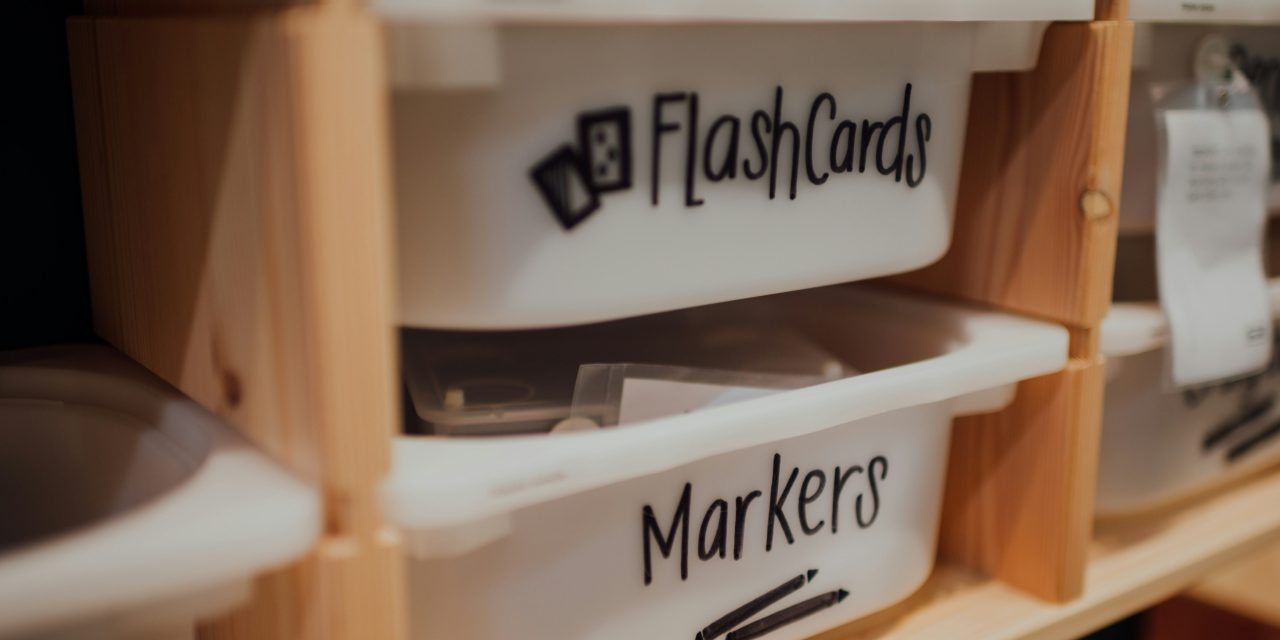
Once you have determined the location for your command center, it’s time to select appropriate organizational tools and supplies that will facilitate efficiency. Begin by investing in high-quality storage solutions such as bins, baskets, or drawer organizers that can accommodate various items like school supplies, mail, and important documents. Clear containers can be particularly useful as they allow for easy visibility of contents.
In addition to storage solutions, consider incorporating tools such as planners, notebooks, or digital devices that can help streamline communication among family members. A whiteboard or chalkboard can serve as an excellent tool for jotting down quick notes or reminders. Furthermore, color-coded labels can enhance organization by categorizing items according to each family member or specific tasks. By thoughtfully selecting these tools, you can create an organized environment that promotes productivity and reduces clutter.
Create a Centralized Calendar System

A centralized calendar system is essential for keeping track of family schedules and commitments. This system can take various forms, from a traditional wall calendar to a digital calendar accessible via smartphones or tablets. The key is to ensure that all family members can easily access and update the calendar as needed.
When designing your calendar system, consider incorporating color-coding to differentiate between various activities such as work commitments, school events, and family outings. This visual representation allows for quick reference and helps prevent scheduling conflicts. Additionally, establish a routine for updating the calendar regularly—perhaps during weekly family meetings—to ensure everyone stays informed about upcoming events. A well-maintained calendar system fosters communication and coordination among family members.
Incorporate a Message and Reminder Board
A message and reminder board serves as an invaluable tool for enhancing communication within the household. This board can be a simple corkboard or a magnetic whiteboard where family members can leave notes for one another. Encourage everyone to utilize this space for reminders about important tasks, upcoming events, or even motivational quotes to inspire positivity.
To maximize its effectiveness, position the message board in a prominent location within the command center where it is easily visible to all family members. Regularly review and update the board to keep it relevant; old messages should be cleared away to avoid clutter and confusion. By fostering an environment of open communication through this board, families can enhance collaboration and ensure that everyone stays on the same page.
Designate Zones for Each Family Member
Creating designated zones within your command center for each family member can significantly enhance organization and accountability. Each zone should reflect individual needs and preferences while also promoting personal responsibility for managing tasks and belongings. For example, children may have designated areas for school supplies and homework materials, while adults might have sections for work-related documents or personal projects.
To implement this effectively, consider using personalized storage solutions such as labeled bins or folders that correspond to each family member’s zone. This not only helps in maintaining order but also empowers individuals to take ownership of their responsibilities. By establishing these zones, you create an organized environment that caters to each member’s unique requirements while fostering a sense of belonging within the family unit.
Include a Charging Station for Devices
In today’s digital age, incorporating a charging station into your command center is essential for managing electronic devices effectively. With multiple devices vying for power—such as smartphones, tablets, and laptops—a designated charging area helps prevent clutter and ensures that devices are always ready for use when needed.
When designing your charging station, consider including multiple outlets or USB ports to accommodate various devices simultaneously. Additionally, use cable organizers to keep cords tidy and prevent tangling. Position the charging station in a visible area within the command center so that family members can easily access it while also being reminded to charge their devices regularly. By integrating this feature into your command center, you promote responsible device usage while maintaining an organized space.
Utilize Storage Solutions for School and Work Materials
Effective storage solutions are crucial for managing school and work materials within your command center. Consider implementing a combination of vertical storage options such as shelves or wall-mounted organizers alongside traditional storage bins or drawers. This approach maximizes space while providing easy access to essential materials.
For school-related items, designate specific areas for textbooks, notebooks, art supplies, and other educational resources. Use labeled containers to categorize these materials according to subject or activity type. Similarly, for work-related items, create sections for documents, office supplies, and project materials. By organizing these resources efficiently, you reduce clutter and streamline access to necessary items when they are needed most.
Add a Meal Planning and Grocery List Section
Incorporating a meal planning and grocery list section into your command center can significantly simplify meal preparation and grocery shopping tasks. Start by designating a specific area where family members can collaborate on meal planning for the week ahead. This could involve using a whiteboard or chalkboard where everyone can contribute ideas for meals they would like to enjoy.
Next, create a grocery list section where items can be added as they are needed throughout the week. Consider using magnetic notepads or clipboards that can be easily accessed from the command center. Encourage family members to add items as they run low on supplies or think of new ingredients needed for planned meals. By establishing this system, you promote teamwork in meal preparation while ensuring that grocery shopping becomes more efficient.
Personalize the Command Center with Family Photos and Art
Adding personal touches to your command center through family photos and artwork creates an inviting atmosphere that reflects your family’s personality. Consider creating a gallery wall featuring framed photographs of memorable moments shared together—this not only adds warmth but also serves as a reminder of cherished experiences.
In addition to photographs, encourage family members to contribute their artwork or crafts to the command center’s decor. This fosters creativity while allowing everyone to feel represented within the space. Personalizing your command center enhances its functionality by making it a place where family members feel comfortable gathering and collaborating on tasks.
Establish a Routine to Keep the Command Center Updated
To maintain an organized command center over time, establishing a routine for regular updates is essential. Designate specific times—such as weekly family meetings—to review schedules, update calendars, clear out old messages from the board, and reorganize any clutter that may have accumulated.
Encourage all family members to participate in this routine actively; this not only promotes accountability but also reinforces the importance of maintaining an organized environment together as a unit. By committing to regular updates, you ensure that your command center remains functional and relevant to your family’s evolving needs.
In summary, creating an effective family command center involves assessing needs and space, choosing an ideal location, selecting appropriate organizational tools, establishing centralized systems for calendars and reminders, designating personal zones for each member, incorporating charging stations, utilizing storage solutions for materials, adding meal planning sections, personalizing with photos and art, and maintaining regular updates through established routines. By implementing these strategies thoughtfully, families can foster communication, organization, and collaboration within their households—ultimately leading to improved efficiency in daily life.
FAQs
What is a family command center?
A family command center is a designated space in your home where family members can organize schedules, manage tasks, and keep important information accessible. It typically includes a calendar, a bulletin board, and storage for documents and supplies, helping to streamline communication and coordination among family members.
What items should I include in my family command center?
Essential items for a family command center include a large wall calendar or planner, a bulletin board for important notices, hooks or bins for keys and bags, a whiteboard for notes and reminders, and storage for school papers, bills, and other documents. You may also want to include a charging station for devices and a clock for time management.
Where is the best location for a family command center?
The best location for a family command center is a high-traffic area in your home, such as the kitchen, entryway, or hallway. This ensures that it is easily accessible for all family members and encourages regular use. Choose a spot that allows for visibility and organization without cluttering the space.
How can I personalize my family command center?
You can personalize your family command center by incorporating family photos, using color-coded items for different family members, and adding decorative elements that reflect your family’s style. Customizing the layout and design can make the space more inviting and functional for everyone.
How often should I update the information in the family command center?
It is recommended to update the information in your family command center at least once a week. Regular updates ensure that everyone is aware of upcoming events, appointments, and tasks. Additionally, setting a specific time each week for this task can help establish a routine and keep the center organized.