Maximizing vertical wall space is an effective strategy for organizing children’s toys while maintaining an aesthetically pleasing environment. Hanging organizers, such as fabric pockets or wall-mounted bins, can be affixed to walls, doors, or even the sides of furniture. This approach not only frees up floor space but also makes toys easily accessible for children. By utilizing vertical space, parents can create a clutter-free zone that encourages children to engage in play without the overwhelming presence of scattered toys.
When selecting hanging organizers, consider options that are durable and easy to clean. Materials such as canvas or heavy-duty polyester are ideal for withstanding the wear and tear of daily use. Additionally, incorporating color-coded organizers can help children learn to categorize their toys, fostering organizational skills from a young age. By teaching children to return toys to their designated spots, parents can instill a sense of responsibility and ownership over their belongings.
Incorporate Multi-Functional Furniture with Built-In Storage
Multi-functional furniture serves as a cornerstone in effective toy organization. Pieces such as benches with hidden compartments, coffee tables with storage underneath, or ottomans that double as seating and storage solutions can significantly reduce clutter. These versatile items not only provide practical storage options but also enhance the overall functionality of a child’s play area.
When choosing multi-functional furniture, prioritize items that blend seamlessly with the existing decor while offering ample storage capacity. For instance, a stylish storage bench can serve as both seating for reading time and a place to stow away toys. Additionally, consider furniture that can grow with your child; for example, a table with adjustable height can transition from a play surface to a study area as your child matures. This adaptability ensures that the investment in furniture remains valuable over time.
Use Clear Stackable Bins for Easy Toy Sorting
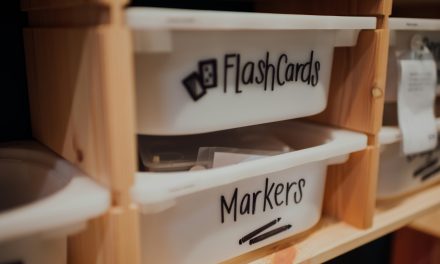
Clear stackable bins are an essential tool for organizing toys efficiently. These bins allow for visibility of contents, making it easy for children to identify their toys without rummaging through multiple containers. The stackable design maximizes vertical space while keeping toys neatly contained, promoting an organized environment.
To optimize the use of clear bins, categorize toys by type—such as building blocks, action figures, or art supplies—and label each bin accordingly. This method not only simplifies the process of finding specific toys but also encourages children to participate in the organization process. By involving them in sorting and labeling, parents can teach valuable skills related to categorization and responsibility. Furthermore, using bins with lids can help keep dust and dirt at bay, ensuring that toys remain clean and ready for play.
Create Under-Bed Storage Drawers
Under-bed storage is often an underutilized area in children’s rooms that can significantly enhance organization. By incorporating drawers or rolling bins beneath the bed, parents can create a hidden storage solution for toys that are not frequently used. This approach keeps the room tidy while maximizing available space.
When designing under-bed storage, consider the height of the bed frame and the types of toys being stored. Low-profile bins are ideal for smaller items like dolls or action figures, while deeper drawers can accommodate larger toys such as stuffed animals or board games. Additionally, using clear containers allows for easy identification of contents without needing to pull everything out. This method not only promotes organization but also encourages children to keep their play area neat by providing a designated space for less frequently used items.
Install Floating Shelves at Kid-Friendly Heights
Floating shelves are an excellent way to display toys while keeping them organized and accessible. Installing these shelves at kid-friendly heights allows children to reach their favorite toys independently, fostering a sense of autonomy and encouraging imaginative play. Moreover, floating shelves can serve as decorative elements in the room, showcasing toys as part of the decor.
When installing floating shelves, consider the weight capacity and material to ensure they can support the toys being displayed. Opt for shelves made from sturdy materials like wood or metal that can withstand daily use. Additionally, arranging toys by size or theme on the shelves can create an appealing visual display while promoting organization. This method not only enhances the room’s aesthetics but also encourages children to take pride in their toy collection.
Repurpose Shoe Organizers for Small Toy Storage
Shoe organizers are versatile tools that can be repurposed for storing small toys effectively. These organizers typically feature multiple pockets that can accommodate various items such as action figures, dolls, or art supplies. By hanging a shoe organizer on a door or wall, parents can create an efficient storage solution that keeps small toys organized and easily accessible.
To maximize the effectiveness of shoe organizers, categorize toys by type and assign specific pockets for each category. For example, one pocket could hold crayons while another could store small cars. This method not only simplifies toy retrieval but also encourages children to return items to their designated spots after playtime. Additionally, using clear pockets allows for easy visibility of contents, making it simple for children to find what they need without creating additional clutter.
Opt for Foldable Storage Ottomans
Foldable storage ottomans are multifunctional pieces that provide both seating and storage solutions in children’s rooms. These versatile items can be used as footrests or additional seating during playdates while offering ample space to store toys inside. Their foldable design allows for easy storage when not in use, making them an ideal choice for smaller spaces.
When selecting foldable storage ottomans, consider options with durable upholstery that can withstand spills and stains from active play. Additionally, choose designs that complement the room’s decor while providing sufficient storage capacity for toys. By incorporating these ottomans into the play area, parents can create a functional space that encourages organization while maintaining comfort and style.
Use Pegboards to Hang and Organize Toys
Pegboards are an innovative solution for organizing toys in a visually appealing manner. By installing pegboards on walls, parents can create customizable storage solutions that allow for easy access to frequently used items. Hooks and baskets can be added to hold various toys, art supplies, or even books, promoting an organized environment.
To maximize the effectiveness of pegboards, consider arranging items by category or frequency of use. For instance, frequently played-with toys should be placed at eye level for easy access, while less commonly used items can be positioned higher up. This method not only keeps toys organized but also encourages children to take ownership of their space by allowing them to rearrange items as needed.
Designate a Toy Rotation System with Labeled Baskets
Implementing a toy rotation system is an effective way to manage toy clutter while keeping playtime fresh and exciting for children. By designating labeled baskets for different categories of toys—such as puzzles, building blocks, or outdoor games—parents can rotate which toys are available for play at any given time. This approach not only reduces clutter but also helps maintain children’s interest in their toy collection.
To establish a successful toy rotation system, select a schedule that works best for your family—whether it’s weekly or monthly—and involve children in the process of choosing which toys to rotate out. This engagement fosters excitement about new play experiences while teaching valuable lessons about organization and responsibility. Additionally, consider donating or discarding any toys that are no longer played with during this process to further streamline the collection.
Transform Closet Space with Adjustable Shelving
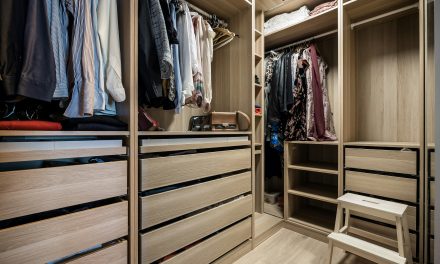
Closets often serve as catch-all spaces for children’s belongings; however, transforming them into organized storage areas can significantly enhance functionality. Installing adjustable shelving allows parents to customize the closet layout according to their child’s needs and toy collection size. This flexibility ensures that every item has its designated spot while maximizing vertical space.
When designing closet shelving systems, consider incorporating bins or baskets on each shelf to keep smaller items organized and easily accessible. Labeling these containers will further streamline the process of finding specific toys when needed. Additionally, utilizing the closet door for hanging organizers or hooks can provide additional storage options without taking up valuable shelf space.
DIY Decorative Storage Crates for a Personalized Touch
Creating DIY decorative storage crates is an excellent way to add a personalized touch to toy organization while providing functional storage solutions. These crates can be customized with paint or decals to match your child’s room decor while offering ample space for storing toys and games.
To construct decorative storage crates, select sturdy wood materials and ensure they are sanded down to prevent splinters. After assembling the crates, involve your child in decorating them with their favorite colors or designs—this engagement fosters creativity and ownership over their space. Once completed, these crates can be stacked or placed on shelves to create an organized yet visually appealing toy storage solution.
In summary, organizing children’s toys requires creativity and strategic planning to maximize space effectively while promoting responsibility among young ones. By utilizing vertical wall space with hanging organizers, incorporating multi-functional furniture with built-in storage, using clear stackable bins for easy sorting, creating under-bed storage drawers, installing floating shelves at kid-friendly heights, repurposing shoe organizers for small toy storage, opting for foldable storage ottomans, using pegboards for hanging organization, designating a toy rotation system with labeled baskets, transforming closet spaces with adjustable shelving, and crafting DIY decorative storage crates—parents can create an organized environment that fosters creativity and independence in their children’s playtime experiences.
### FAQ Section
1. **What types of hanging organizers work best?**
– Fabric pocket organizers are ideal due to their durability and ease of cleaning.
– Wall-mounted bins made from sturdy materials like plastic or metal also work well.
2. **How do I choose multi-functional furniture?**
– Look for pieces that blend with your decor and offer ample storage capacity.
– Consider furniture that adapts as your child grows.
3. **What size clear stackable bins should I use?**
– Choose bins based on the size of the toys being stored; smaller bins work well for action figures while larger ones suit stuffed animals.
4. **How do I maintain under-bed storage?**
– Regularly check contents and clean bins to prevent dust accumulation.
– Rotate stored items periodically to keep things fresh.
5. **What materials are best for floating shelves?**
– Opt for sturdy materials like wood or metal that can support heavier items.
– Ensure proper installation using appropriate hardware.
6. **Can shoe organizers hold larger toys?**
– Shoe organizers are best suited for smaller items; larger toys may require alternative storage solutions.
7. **What features should I look for in foldable ottomans?**
– Choose ottomans with durable upholstery and sufficient internal storage capacity.
– Ensure they are lightweight yet sturdy enough for daily use.
8. **How do I customize pegboards?**
– Use hooks and baskets tailored to your specific needs; arrange items based on frequency of use.
– Paint or decorate pegboards to match your child’s room theme.
9. **What is the best way to implement a toy rotation system?**
– Involve your child in selecting which toys to rotate; establish a consistent schedule.
– Consider donating unused items during this process.
10. **How do I build DIY decorative crates?**
– Use sturdy wood materials; sand edges smooth.
– Involve your child in painting or decorating crates after assembly.
In conclusion, organizing children’s toys effectively requires thoughtful strategies that promote both functionality and aesthetics within their play spaces. By implementing these diverse methods—from utilizing vertical wall space to creating personalized DIY solutions—parents can cultivate an environment that encourages creativity while instilling valuable organizational skills in their children.
FAQs
What are some effective toy storage solutions for small spaces?
Effective toy storage solutions for small spaces include using multi-functional furniture like ottomans with storage, wall-mounted shelves, under-bed storage bins, and collapsible storage cubes. Utilizing vertical space with hooks or pegboards can also help maximize storage without taking up floor space.
How can I organize toys to save space?
To organize toys and save space, categorize them by type or size and use clear bins or labeled boxes for easy identification. Implementing a rotation system where only a selection of toys is accessible at a time can also reduce clutter and make playtime more manageable.
Are there DIY toy storage ideas for small areas?
Yes, there are several DIY toy storage ideas for small areas, such as creating a toy hammock in a corner for stuffed animals, repurposing old furniture like crates or pallets for shelving, and building a simple wall-mounted rack for smaller toys. These projects can be customized to fit your space and style.
What types of containers work best for toy storage?
Containers that work best for toy storage include stackable bins, clear plastic boxes for visibility, fabric storage baskets for softness, and drawer organizers for smaller items. Choosing containers with lids can help keep dust out and maintain a tidy appearance.
How can I involve my children in the toy storage process?
Involving children in the toy storage process can be done by allowing them to choose which toys to keep or donate, teaching them how to categorize their toys, and making the organization process fun with games or challenges. This encourages responsibility and helps them understand the importance of maintaining a tidy space.