Body odor, particularly from the armpits, is a common concern that affects individuals across various demographics. The primary reason for this phenomenon lies in the interaction between sweat and bacteria residing on the skin. While sweat itself is largely odorless, it becomes a breeding ground for bacteria when it accumulates, leading to the production of volatile organic compounds that emit unpleasant odors. Understanding the underlying mechanisms of body odor can help individuals take proactive measures to mitigate this issue.
The human body has two types of sweat glands: eccrine and apocrine. Eccrine glands are distributed throughout the body and primarily regulate temperature through perspiration. In contrast, apocrine glands, located in areas such as the armpits and groin, become active during puberty and are associated with emotional stress and hormonal changes. The secretion from apocrine glands is thicker and richer in proteins, making it more susceptible to bacterial decomposition, which ultimately results in odor production.
If you’re struggling with persistent armpit odor even after showering, you might find it helpful to explore related hygiene tips that can enhance your overall cleanliness. For instance, maintaining a clean environment can play a significant role in personal hygiene. You can read more about effective cleaning strategies in this article on essential household cleaning tips, which can help create a fresher living space: 10 Essential Household Cleaning Tips for a Sparkling Home.
Incomplete Cleansing: Missing Areas During Showering
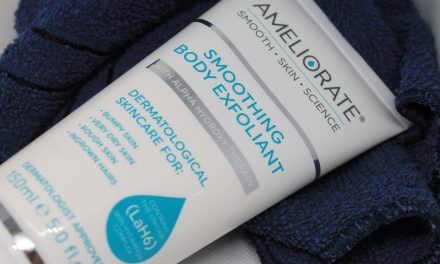
A common oversight in personal hygiene routines is the incomplete cleansing of the armpit area during showering. Many individuals may focus on washing visible areas while neglecting to thoroughly cleanse the underarms. This oversight can lead to the accumulation of sweat, dead skin cells, and bacteria, exacerbating body odor.
To ensure effective cleansing, it is essential to use a gentle exfoliating scrub or wash specifically designed for the underarm area. This not only removes surface debris but also helps to eliminate bacteria that thrive in moist environments. Additionally, incorporating a thorough rinsing process can further aid in preventing odor formation by ensuring that no soap residue remains, which can also contribute to irritation and odor.
The Role of Sweat Glands and Bacteria

The interplay between sweat glands and skin flora is pivotal in understanding body odor. Apocrine glands secrete a protein-rich fluid that serves as a nutrient source for bacteria on the skin’s surface. When these bacteria metabolize the sweat, they produce byproducts such as fatty acids and ammonia, which are responsible for the characteristic odor associated with perspiration.
Moreover, individual variations in skin microbiota can influence how one experiences body odor. Factors such as genetics, hygiene practices, and even environmental conditions can alter the composition of skin flora, leading to differences in odor production. Regular cleansing and maintaining a balanced skin microbiome can help mitigate these effects.
Using the Wrong Soap or Body Wash

The choice of soap or body wash can significantly impact body odor. Many commercial products contain fragrances and harsh chemicals that may irritate sensitive skin or disrupt the natural pH balance of the underarm area. This disruption can lead to an overgrowth of odor-causing bacteria.
Opting for pH-balanced, hypoallergenic soaps can be beneficial for individuals prone to body odor. Ingredients such as tea tree oil or witch hazel possess natural antibacterial properties that can help reduce bacterial growth without causing irritation. Additionally, avoiding overly fragrant products can prevent masking odors rather than addressing their root causes.
If you’ve ever wondered why your armpits smell even after showering, you might find it helpful to explore some common causes and solutions. Factors such as diet, hormonal changes, and the type of deodorant you use can all contribute to persistent body odor. For a deeper understanding of how to manage body odor effectively, consider reading this informative article on essential gardening basics, which highlights the importance of maintaining a healthy lifestyle. You can check it out here.
Residual Odor from Clothing and Fabrics
Clothing plays a crucial role in body odor management. Fabrics that trap moisture, such as synthetic materials, can create an environment conducive to bacterial growth. Residual odors from previous wear can also linger in clothing, contributing to persistent body odor even after washing.
To combat this issue, it is advisable to choose breathable fabrics like cotton or moisture-wicking materials that allow sweat to evaporate more efficiently. Regularly washing clothes with an emphasis on underarm areas can help eliminate trapped odors. Utilizing odor-fighting laundry detergents or adding vinegar during the rinse cycle can further enhance odor removal.
Diet and Its Impact on Body Odor
Dietary choices significantly influence body odor due to the metabolic byproducts produced during digestion. Foods rich in sulfur compounds, such as garlic and onions, can lead to stronger odors as these compounds are excreted through sweat. Similarly, spicy foods may increase perspiration levels, exacerbating odor issues.
In contrast, a diet rich in fruits and vegetables can promote a more pleasant body scent due to their high water content and natural detoxifying properties. Staying hydrated is also essential; adequate water intake helps dilute sweat and flush out toxins that may contribute to unpleasant odors.
Hormonal Changes Affecting Sweat Production
Hormonal fluctuations play a significant role in sweat production and body odor. During puberty, menstruation, pregnancy, or menopause, hormonal changes can lead to increased activity of apocrine glands, resulting in heightened perspiration and potential odor issues.
Understanding these hormonal influences allows individuals to anticipate changes in body odor and take appropriate measures. For instance, using stronger antiperspirants during times of hormonal fluctuation may help manage increased sweating effectively.
Medical Conditions That Cause Persistent Odor
Certain medical conditions can contribute to persistent body odor that may not respond to standard hygiene practices. Conditions such as hyperhidrosis (excessive sweating), diabetes (which can lead to fruity-smelling breath), or metabolic disorders may require specialized treatment.
Individuals experiencing unexplained or persistent body odor should consult a healthcare professional for evaluation. Diagnostic tests may be necessary to identify underlying conditions that could be contributing to the issue.
Ineffective or Absent Use of Antiperspirants and Deodorants
Antiperspirants and deodorants are essential tools in managing body odor; however, improper use can render them ineffective. Antiperspirants work by blocking sweat glands to reduce perspiration, while deodorants mask odors without preventing sweating.
To maximize effectiveness, antiperspirants should be applied at night when sweat production is lower, allowing active ingredients time to absorb into the skin. Deodorants should be reapplied throughout the day as needed. Individuals should also consider their specific needs; those with sensitive skin may benefit from aluminum-free options or natural alternatives.
Stress and Anxiety-Induced Sweating
Stress and anxiety can trigger an increase in sweating due to the activation of the sympathetic nervous system. This response is often referred to as “fight or flight,” leading to heightened perspiration even in non-physical situations.
Managing stress through relaxation techniques such as mindfulness meditation, yoga, or deep-breathing exercises can help mitigate stress-induced sweating. Additionally, seeking professional help for anxiety management may provide long-term solutions for those experiencing excessive sweating related to emotional triggers.
When to See a Doctor About Persistent Armpit Odor
Persistent armpit odor that does not improve with standard hygiene practices warrants medical attention. A healthcare provider can assess for underlying conditions such as infections or metabolic disorders that may contribute to unusual body odor.
In some cases, prescription-strength antiperspirants or other medical treatments may be necessary for effective management. Consulting with a dermatologist or endocrinologist can provide tailored solutions based on individual needs.
In summary, understanding the multifaceted causes of armpit odor is crucial for effective management and prevention strategies. From proper cleansing techniques to dietary considerations and stress management, individuals have various tools at their disposal to combat this common issue. By addressing underlying factors and seeking professional guidance when necessary, one can significantly reduce the impact of body odor on daily life.
FAQs
What causes body odor even after showering?
Body odor, particularly from the armpits, is primarily caused by the bacteria that thrive in warm, moist environments. Even after showering, if the skin is not completely dry or if certain bacteria remain, they can produce odor when they break down sweat. Additionally, factors such as diet, hormonal changes, and certain medical conditions can contribute to persistent body odor.
Can diet affect armpit odor?
Yes, diet can significantly influence body odor. Foods such as garlic, onions, and spices can lead to stronger body odor due to the compounds they release through sweat. Additionally, a diet high in processed foods and sugars may alter the body’s natural scent, making it more pungent.
Are there medical conditions that can cause excessive sweating and odor?
Yes, certain medical conditions can lead to excessive sweating and body odor. Hyperhidrosis is a condition characterized by excessive sweating, while metabolic disorders, diabetes, and thyroid issues can also affect how the body produces sweat and odor. If body odor persists despite good hygiene, it may be worth consulting a healthcare professional.
How can I reduce armpit odor after showering?
To reduce armpit odor, consider using an antibacterial soap during showers to eliminate odor-causing bacteria. Applying a strong antiperspirant or deodorant after drying off can also help. Additionally, wearing breathable fabrics and ensuring proper hygiene can minimize odor throughout the day.
Is it normal for some people to have stronger body odor than others?
Yes, it is normal for individuals to have varying levels of body odor. Factors such as genetics, hormonal levels, and personal hygiene practices can all influence how strong a person’s body odor is. Some people naturally produce more sweat or have a different composition of sweat, leading to a stronger scent.