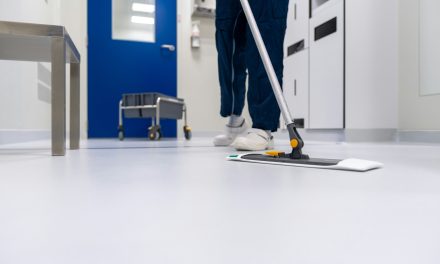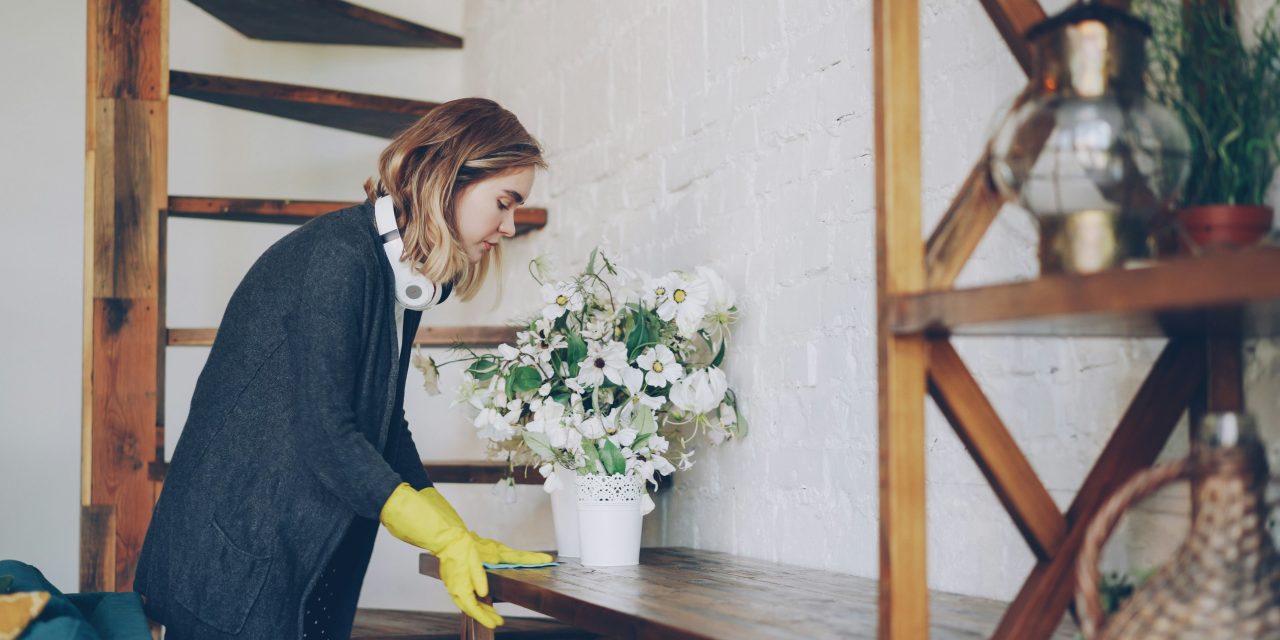
Before embarking on any cleaning endeavor, it is imperative to declutter your space. This initial step not only enhances the aesthetic appeal of your environment but also significantly improves the efficiency of your cleaning process. By removing unnecessary items, you create a more manageable area to work in, allowing for a thorough and effective cleaning session. Begin by assessing each room and identifying items that no longer serve a purpose or belong in that space. This could include old magazines, broken items, or clothing that has not been worn in over a year.
Once you have identified the clutter, categorize it into three distinct groups: keep, donate, and discard. The “keep” category should consist of items that are essential or hold sentimental value. The “donate” group can include items in good condition that others may find useful, while the “discard” category should encompass anything that is broken or no longer usable. By systematically decluttering, you not only prepare your home for a more effective cleaning session but also create a more serene and organized living environment.
Use Natural Cleaning Solutions
In recent years, there has been a significant shift towards using natural cleaning solutions as an alternative to conventional chemical cleaners. These eco-friendly options are not only safer for your health but also less harmful to the environment. Common natural cleaning agents include vinegar, baking soda, and lemon juice, all of which possess remarkable cleaning properties. For instance, vinegar is an excellent disinfectant and can effectively cut through grease and grime, making it ideal for kitchen surfaces.
To create a versatile all-purpose cleaner, mix equal parts of water and white vinegar in a spray bottle. This solution can be used on countertops, bathroom tiles, and even glass surfaces. Baking soda, on the other hand, is a powerful abrasive that can tackle tough stains and odors. A paste made from baking soda and water can be applied to stubborn stains on carpets or upholstery. By incorporating these natural solutions into your cleaning routine, you not only promote a healthier living space but also contribute to environmental sustainability.
Clean from Top to Bottom

When it comes to cleaning, the order in which tasks are performed can significantly impact the overall effectiveness of the process. A fundamental principle to follow is to clean from top to bottom. This approach ensures that dust and debris fall downward, preventing the need to re-clean areas that have already been addressed. Start with high surfaces such as ceiling fans, light fixtures, and shelves before moving on to furniture and finally the floors.
For example, when dusting shelves or light fixtures, use an extendable duster to reach high areas without the need for a ladder. Once these surfaces are clean, proceed to wipe down furniture and other lower surfaces. Finally, vacuum or mop the floors to capture any dust or debris that has settled during the cleaning process. By adhering to this top-to-bottom strategy, you maximize efficiency and ensure that every corner of your home receives the attention it deserves.
Dust with Microfiber Cloths

Microfiber cloths have revolutionized the way we approach dusting and cleaning surfaces. These innovative cloths are made from synthetic fibers that are finer than human hair, allowing them to trap dust particles more effectively than traditional cotton cloths or paper towels. The unique structure of microfiber enables it to capture dirt and allergens without the need for chemical cleaners, making it an ideal choice for those seeking a more sustainable cleaning option.
When dusting with microfiber cloths, it is essential to use them dry for dusting purposes and slightly dampened for wiping down surfaces. This dual functionality allows for versatility in tackling various cleaning tasks. For optimal results, regularly wash microfiber cloths in hot water without fabric softeners to maintain their effectiveness. By incorporating microfiber cloths into your cleaning routine, you not only enhance your dusting capabilities but also contribute to a healthier indoor environment by reducing allergens.
Disinfect High-Touch Surfaces Regularly
| Cleaning Task | Recommended Frequency | Effective Cleaning Tips | Common Cleaning Products |
|---|---|---|---|
| Kitchen Counters | Daily | Wipe with a mixture of warm water and mild dish soap; disinfect with vinegar solution | Mild dish soap, white vinegar, microfiber cloth |
| Bathroom Surfaces | Weekly | Use baking soda paste for scrubbing; disinfect with bleach or hydrogen peroxide | Baking soda, bleach, hydrogen peroxide, scrub brush |
| Floors (Vacuuming) | 2-3 times per week | Vacuum high-traffic areas more frequently; mop with warm water and mild detergent | Vacuum cleaner, mop, mild floor detergent |
| Windows | Monthly | Clean with a mixture of water and vinegar; use a squeegee for streak-free finish | White vinegar, water, squeegee, microfiber cloth |
| Refrigerator | Monthly | Remove all items; wipe shelves with baking soda solution to neutralize odors | Baking soda, warm water, sponge |
| Trash Bins | Biweekly | Wash with hot soapy water; sprinkle baking soda to reduce odors | Dish soap, baking soda, scrub brush |
| Light Switches and Door Handles | Weekly | Disinfect with alcohol wipes or diluted bleach solution to reduce germs | Alcohol wipes, diluted bleach solution, microfiber cloth |
In today’s world, maintaining hygiene has become more critical than ever. High-touch surfaces such as doorknobs, light switches, remote controls, and countertops are breeding grounds for germs and bacteria. Regular disinfection of these areas is essential in preventing the spread of illnesses and maintaining a healthy living space. To effectively disinfect these surfaces, use EPA-approved disinfectants or natural solutions like diluted bleach or vinegar.
When disinfecting high-touch surfaces, it is crucial to follow proper protocols. Begin by cleaning the surface with soap and water to remove any dirt or grime. Afterward, apply the disinfectant according to the manufacturer’s instructions, ensuring that the surface remains wet for the recommended contact time to effectively kill germs. Establishing a routine for disinfecting high-touch areas—ideally daily—can significantly reduce the risk of illness within your household.
Deep Clean Carpets and Rugs
Carpets and rugs can harbor allergens, dust mites, and bacteria if not cleaned regularly. A deep clean is essential for maintaining their appearance and ensuring a healthy indoor environment. Depending on the type of carpet or rug you have, various methods can be employed for effective deep cleaning. For synthetic carpets, steam cleaning is often recommended as it penetrates deep into the fibers while sanitizing them.
For natural fiber rugs such as wool or cotton, consider using a gentle carpet cleaner specifically designed for those materials. Additionally, regular vacuuming is crucial; aim for at least once a week to prevent dirt buildup. Spot cleaning spills immediately with appropriate solutions can also help maintain their integrity over time. By prioritizing deep cleaning for carpets and rugs, you enhance both their longevity and your home’s overall cleanliness.
Keep Kitchen Appliances Spotless
The kitchen is often considered the heart of the home; thus, maintaining cleanliness in this area is paramount. Kitchen appliances such as ovens, refrigerators, and microwaves require regular attention to ensure they remain spotless and function efficiently. Begin by creating a cleaning schedule that includes weekly maintenance tasks for these appliances.
For instance, clean your refrigerator by removing expired items and wiping down shelves with a mixture of warm water and mild detergent. The microwave can be easily cleaned by placing a bowl of water with lemon juice inside and running it on high for several minutes; this will loosen any food particles for easy wiping afterward. Regularly cleaning kitchen appliances not only enhances their appearance but also prolongs their lifespan by preventing buildup that could lead to malfunctions.
Maintain Sparkling Bathroom Fixtures
Bathroom fixtures such as sinks, faucets, and showerheads require consistent care to maintain their shine and functionality. Hard water stains and soap scum can accumulate quickly if not addressed promptly. To keep these fixtures sparkling clean, utilize natural solutions like vinegar or commercial cleaners specifically designed for bathroom use.
Start by spraying fixtures with your chosen cleaner and allowing it to sit for a few minutes before scrubbing with a soft cloth or sponge. For stubborn stains, consider using baking soda as an abrasive agent; its gentle scrubbing action can effectively remove buildup without scratching surfaces. Regular maintenance—ideally weekly—will ensure that your bathroom fixtures remain in pristine condition while also preventing long-term damage from mineral deposits.
Freshen Upholstery and Curtains
Upholstered furniture and curtains can absorb odors and dust over time, leading to an unpleasant living environment. To freshen these items, regular vacuuming is essential; use an upholstery attachment on your vacuum cleaner to remove dust particles effectively. Additionally, consider using fabric fresheners or natural alternatives like baking soda sprinkled on upholstery before vacuuming to eliminate odors.
For curtains, check the care label for washing instructions; many can be machine washed or hand washed depending on their fabric type. If washing is not an option, consider steam cleaning as an effective method for refreshing curtains without damaging them. By incorporating these practices into your cleaning routine, you can maintain a fresh atmosphere in your home while prolonging the life of your upholstery and curtains.
Organize Cleaning Supplies for Efficiency
An organized approach to storing cleaning supplies can significantly enhance your efficiency during cleaning sessions. Begin by designating a specific area for all cleaning products—this could be a cabinet under the sink or a dedicated cleaning caddy that can be easily transported from room to room. Group similar items together; for example, keep all bathroom cleaners in one section and kitchen supplies in another.
Labeling containers or shelves can further streamline your organization process by allowing you to quickly locate what you need without rummaging through various products. Additionally, consider investing in refillable spray bottles for homemade cleaners; this not only reduces waste but also ensures you always have your preferred solutions readily available. By organizing your cleaning supplies effectively, you save time during cleaning sessions while promoting a more systematic approach.
Establish a Weekly Cleaning Routine
Creating a weekly cleaning routine is essential for maintaining a consistently clean home environment. A structured schedule allows you to allocate specific tasks to designated days, ensuring that no area is overlooked while preventing overwhelming cleaning sessions on weekends or days off. Start by listing all necessary cleaning tasks—such as vacuuming, dusting, mopping floors, and disinfecting high-touch surfaces—and assign them to specific days based on your availability.
For example, designate Mondays for kitchen deep cleaning tasks while reserving Tuesdays for bathroom maintenance. Incorporating daily quick-clean tasks—such as wiping down counters or tidying up clutter—can also help maintain cleanliness throughout the week without requiring extensive effort on any single day. By establishing this routine, you foster an environment of cleanliness that becomes second nature over time.
In summary, maintaining a clean home involves several strategic steps: decluttering before cleaning enhances efficiency; natural solutions promote health; top-to-bottom cleaning prevents rework; microfiber cloths improve dusting; regular disinfection protects against germs; deep cleaning carpets ensures hygiene; spotless kitchen appliances enhance functionality; sparkling bathroom fixtures maintain aesthetics; fresh upholstery contributes to comfort; organized supplies streamline processes; and establishing a weekly routine fosters consistency in cleanliness. By implementing these practices diligently, you create a healthier living space conducive to well-being and comfort.
FAQs
What are some effective natural cleaning solutions for household surfaces?
Some effective natural cleaning solutions include a mixture of vinegar and water for disinfecting surfaces, baking soda for scrubbing tough stains, and lemon juice for cutting grease and deodorizing. These ingredients are non-toxic and safe for most surfaces.
How often should I clean different areas of my home?
High-traffic areas like kitchens and bathrooms should be cleaned weekly, while living rooms and bedrooms can be cleaned bi-weekly. Deep cleaning tasks, such as washing windows or carpets, should be done seasonally or at least twice a year.
What are some tips for organizing cleaning supplies?
To organize cleaning supplies, designate a specific area for them, such as a cabinet or caddy. Group similar items together, label containers for easy identification, and keep frequently used products at eye level for quick access.
How can I make my cleaning routine more efficient?
To make your cleaning routine more efficient, create a checklist of tasks, set a timer for each cleaning session, and tackle one room at a time. Additionally, decluttering before cleaning can save time and make the process smoother.
Are there any cleaning tips for maintaining appliances?
Yes, to maintain appliances, regularly clean the filters in your vacuum and dishwasher, wipe down the exterior of your refrigerator and oven, and descale your coffee maker monthly. This helps improve efficiency and prolongs the lifespan of your appliances.