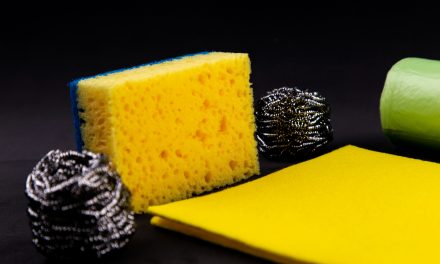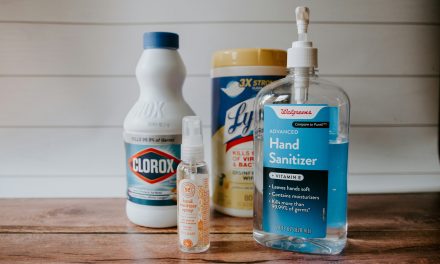
Before embarking on a comprehensive cleaning endeavor, it is imperative to assemble an arsenal of appropriate cleaning supplies. This foundational step ensures that you are equipped with the necessary tools to tackle various surfaces and materials effectively. Essential items include multi-surface cleaners, disinfectants, microfiber cloths, sponges, scrub brushes, and a vacuum cleaner with attachments. Additionally, consider incorporating specialized products such as carpet cleaners, upholstery sprays, and wood floor conditioners to address specific cleaning needs.
Moreover, it is prudent to have protective gear on hand, such as gloves and masks, particularly when using potent cleaning agents. This precaution not only safeguards your skin and respiratory system but also enhances your overall cleaning experience. Organizing these supplies in a caddy or designated area can streamline the process, allowing for easy access and efficient movement throughout your home.
Declutter Before You Deep Clean
Prior to initiating a deep cleaning session, decluttering your living space is essential. This process involves systematically removing unnecessary items that accumulate over time, creating a more organized and manageable environment. Begin by assessing each room and categorizing items into three groups: keep, donate, or discard. This method not only simplifies the cleaning process but also promotes a sense of order and tranquility within your home.
Once decluttering is complete, you will find that surfaces are more accessible for thorough cleaning. This step also allows you to identify areas that may require additional attention or maintenance. By eliminating distractions and excess belongings, you can focus on achieving a pristine living space that reflects your personal style and enhances your overall well-being.
Start with Dusting from Top to Bottom

Dusting is a fundamental aspect of deep cleaning that should be approached methodically. Begin at the highest points in each room, such as ceiling fans, light fixtures, and shelves, and work your way down to lower surfaces. This top-to-bottom approach prevents dust and debris from falling onto areas that have already been cleaned, ensuring a more efficient process.
Utilize microfiber cloths or electrostatic dusters to capture dust particles effectively. These materials are designed to trap dust rather than merely moving it around, resulting in a cleaner environment. Pay special attention to often-overlooked areas such as baseboards, window sills, and behind furniture. By addressing these neglected spots, you can significantly improve indoor air quality and create a healthier living space.
Deep Clean Carpets and Rugs

Carpets and rugs can harbor allergens, dirt, and bacteria if not cleaned regularly. To achieve optimal cleanliness, start by vacuuming thoroughly to remove loose debris. Follow this with a deep cleaning method tailored to the specific type of carpet or rug you have. For synthetic carpets, consider using a steam cleaner or hot water extraction method to eliminate embedded dirt and stains effectively.
Natural fiber rugs may require more delicate handling; therefore, spot cleaning with a mild detergent solution is advisable. Additionally, consider professional cleaning services for valuable or antique rugs to ensure they are treated with the utmost care. Regular deep cleaning of carpets not only enhances their appearance but also prolongs their lifespan while contributing to a healthier indoor environment.
Refresh Upholstery and Curtains
| Metric | Description | Typical Value | Unit |
|---|---|---|---|
| Cleaning Duration | Average time taken to complete a deep cleaning session | 3-5 | hours |
| Surface Coverage | Percentage of total area thoroughly cleaned | 95-100 | % |
| Disinfectant Concentration | Concentration of disinfectant used during cleaning | 0.1-0.5 | % solution |
| Particle Reduction | Reduction in dust and particulate matter after cleaning | 85-95 | % |
| Microbial Reduction | Reduction in microbial load on surfaces | 99.9 | % |
| Cost per Session | Average cost for a deep cleaning service | 150-300 | units |
| Frequency Recommended | Suggested interval between deep cleaning sessions | 3-6 | months |
Upholstered furniture and curtains can accumulate dust, allergens, and odors over time. To refresh these items, begin by vacuuming upholstery with an appropriate attachment to remove surface dirt and debris. For stains or odors, utilize fabric-specific cleaners or upholstery sprays designed to penetrate fibers without causing damage.
Curtains should be treated with equal care; check the manufacturer’s instructions for washing guidelines. Many curtains can be machine washed on a gentle cycle or spot cleaned as needed. After cleaning, ensure that both upholstery and curtains are thoroughly dried to prevent mold growth. Regular maintenance of these textiles not only enhances their aesthetic appeal but also contributes to improved indoor air quality.
Scrub Kitchen Appliances Thoroughly
The kitchen is often considered the heart of the home; thus, maintaining cleanliness in this area is paramount. Begin by addressing large appliances such as the refrigerator, oven, and microwave. For the refrigerator, empty its contents and clean shelves with a mixture of warm water and mild detergent. Pay special attention to spills and expired items to maintain freshness.
The oven requires a more intensive approach; utilize an oven cleaner or a baking soda paste for stubborn stains. Allow it to sit before scrubbing away grime effectively. The microwave can be cleaned by heating a bowl of water mixed with lemon juice for several minutes to loosen food particles before wiping down surfaces. Regularly scrubbing kitchen appliances not only enhances their functionality but also promotes food safety by reducing the risk of cross-contamination.
Sanitize Bathroom Surfaces and Fixtures
Bathrooms are breeding grounds for bacteria and mold due to their humid environment; therefore, thorough sanitization is crucial. Start by applying disinfectant cleaners to high-touch surfaces such as faucets, toilet handles, and light switches. Allow these products to sit for the recommended time to ensure effective germ elimination.
For toilets, utilize a toilet bowl cleaner along with a toilet brush to scrub away stains and buildup effectively. Don’t forget to clean mirrors with glass cleaner for a streak-free shine. Regular sanitization of bathroom surfaces not only promotes hygiene but also creates a more inviting atmosphere for residents and guests alike.
Clean and Condition Hardwood Floors
Hardwood floors require special attention during deep cleaning sessions to maintain their beauty and longevity. Begin by sweeping or vacuuming to remove loose dirt and debris. Following this initial step, use a hardwood floor cleaner specifically formulated for your floor type; avoid using excessive water as it can damage the wood.
After cleaning, consider applying a wood conditioner or polish to restore shine and protect against wear. This treatment helps prevent scratches while enhancing the natural grain of the wood. Regular maintenance of hardwood floors not only preserves their aesthetic appeal but also contributes to the overall value of your home.
Wash Windows and Window Treatments
Clean windows can dramatically enhance natural light in your home while improving overall aesthetics. Start by removing dust from window sills and frames before applying glass cleaner to the panes. Use a microfiber cloth or squeegee for streak-free results; consider cleaning windows on cloudy days to prevent rapid drying that can lead to streaks.
Window treatments such as blinds or shades should also be addressed during deep cleaning sessions. Dust them regularly with a microfiber cloth or use a vacuum attachment for thorough cleaning. Depending on the material, some curtains may be machine washable while others may require professional cleaning services. Maintaining clean windows and treatments not only improves visibility but also enhances the overall ambiance of your living space.
Deodorize and Purify the Air
Indoor air quality is often compromised by pollutants such as dust, pet dander, and volatile organic compounds (VOCs) emitted from household products. To combat these issues, consider utilizing air purifiers equipped with HEPA filters that capture airborne particles effectively. Additionally, incorporating houseplants known for their air-purifying properties can enhance indoor air quality naturally.
For deodorization, consider using natural solutions such as baking soda or essential oils in diffusers to neutralize odors without introducing harmful chemicals into your environment. Regularly ventilating your home by opening windows can also help circulate fresh air while reducing indoor pollutants. Prioritizing air quality contributes significantly to overall health and well-being within your living space.
Establish a Maintenance Routine to Keep Your Home Fresh
To sustain the cleanliness achieved through deep cleaning efforts, establishing a regular maintenance routine is essential. Create a schedule that outlines daily, weekly, and monthly tasks tailored to your specific needs and lifestyle. Daily tasks may include tidying up common areas and wiping down surfaces, while weekly chores could involve vacuuming carpets and mopping floors.
Monthly maintenance might encompass deeper tasks such as washing windows or organizing closets. By adhering to this routine, you can prevent clutter accumulation while ensuring that your home remains fresh and inviting year-round. Consistency in maintenance not only simplifies future cleaning endeavors but also fosters a sense of pride in your living environment.
In summary, deep cleaning your home involves gathering appropriate supplies, decluttering spaces, dusting systematically from top to bottom, deep cleaning carpets and rugs, refreshing upholstery and curtains, scrubbing kitchen appliances thoroughly, sanitizing bathroom surfaces, conditioning hardwood floors, washing windows and treatments, deodorizing air quality, and establishing an ongoing maintenance routine. By following these steps diligently, you can create a healthier living environment that promotes well-being while enhancing the aesthetic appeal of your home.
FAQ Section
- How often should I deep clean my home?
- It is recommended to deep clean your home at least twice a year; however, high-traffic areas may require more frequent attention.
- What are some eco-friendly cleaning supplies I can use?
- Consider using vinegar, baking soda, lemon juice, and essential oils as natural alternatives for effective cleaning without harsh chemicals.
- Can I use regular household cleaners on all surfaces?
- No; always check manufacturer guidelines for specific surfaces as some cleaners may damage materials like wood or stone.
- How do I remove stubborn stains from carpets?
- For stubborn stains, blot the area with cold water first; then apply a carpet cleaner or homemade solution (like vinegar mixed with water) before blotting again.
- What should I do if I have allergies?
- Use hypoallergenic cleaning products and consider investing in an air purifier with HEPA filters to reduce allergens in your home.
- Is it necessary to hire professional cleaners?
- While many tasks can be done independently, hiring professionals may be beneficial for extensive deep cleans or specialized services like carpet or upholstery cleaning.
- How can I maintain my hardwood floors?
- Regularly sweep or vacuum debris and use appropriate cleaners designed for hardwood; avoid excessive moisture during cleaning.
- What are some tips for keeping my kitchen organized?
- Implement storage solutions like bins or drawer organizers; regularly assess pantry items for expiration dates to maintain organization.
- How do I prevent mold in bathrooms?
- Ensure proper ventilation by using exhaust fans during showers; regularly clean surfaces with mold-inhibiting cleaners.
- What are some signs that my home needs deep cleaning?
- Signs include visible dust accumulation, unpleasant odors, stained carpets or upholstery, cluttered spaces, or increased allergy symptoms among residents.
By following these guidelines diligently while addressing common concerns through FAQs, you can ensure that your home remains clean, organized, and conducive to healthful living conditions year-round.
FAQs
What is deep cleaning?
Deep cleaning is a thorough cleaning process that goes beyond regular cleaning tasks. It involves cleaning areas that are often overlooked, such as behind appliances, inside cabinets, and under furniture. Deep cleaning aims to remove dirt, grime, and allergens to create a healthier living environment.
How often should deep cleaning be done?
Deep cleaning should typically be done at least once or twice a year, depending on the size of the home and the number of occupants. Homes with pets or allergies may require more frequent deep cleaning to maintain a healthy atmosphere.
What are the benefits of deep cleaning?
The benefits of deep cleaning include improved indoor air quality, reduced allergens, and a more organized living space. It can also help prolong the life of furniture and appliances by removing built-up dirt and grime.
Can I deep clean my home myself?
Yes, you can deep clean your home yourself, but it requires time, effort, and the right cleaning supplies. Many people choose to hire professional cleaning services for deep cleaning to ensure thoroughness and efficiency.
What supplies do I need for deep cleaning?
Essential supplies for deep cleaning include all-purpose cleaners, disinfectants, microfiber cloths, scrub brushes, a vacuum cleaner with attachments, mops, and buckets. Depending on the specific areas being cleaned, additional supplies like steam cleaners or specialized products may also be necessary.