When it comes to managing toy clutter in the living room, the first step is to conduct a thorough assessment of your available space. Begin by measuring the dimensions of your living area, noting any architectural features such as windows, doors, and built-in shelving. This will help you visualize how much room you have for toy storage solutions. Consider the flow of the room; ensuring that pathways remain clear is essential for both safety and aesthetics.
Next, evaluate the types of toys that need storage. Are they large items like ride-on toys or smaller pieces such as building blocks? Understanding the volume and size of toys will guide your decisions on storage solutions. Additionally, consider the age of your children; younger kids may require more accessible storage options, while older children can manage more complex systems. By taking stock of your living room’s layout and the toys themselves, you can create a tailored plan that maximizes both functionality and style.
Choosing the Right Storage Bins and Baskets
Selecting appropriate storage bins and baskets is crucial for maintaining an organized living space. Opt for bins that are durable and easy to clean, as toys can often lead to spills and messes. Materials such as plastic or fabric with a wipeable surface are ideal choices. Consider bins with lids to keep dust at bay and prevent toys from spilling out during playtime.
Size is another important factor; choose bins that can accommodate various toy sizes while still fitting neatly into your designated storage areas. For instance, larger bins can house bulky items, while smaller ones are perfect for tiny pieces that can easily get lost. Color-coded bins can also serve a dual purpose: they not only help in organizing but also add a playful aesthetic to your living room. By thoughtfully selecting storage containers, you can create an efficient system that encourages tidiness.
Utilizing Multi-Functional Furniture with Hidden Compartments

Incorporating multi-functional furniture into your living room design can significantly enhance your toy storage capabilities. Look for ottomans or coffee tables that feature hidden compartments; these pieces serve dual purposes as seating or surfaces while discreetly storing toys inside. This approach not only saves space but also maintains a clean and uncluttered appearance.
Another option is to invest in benches with built-in storage or sofas that come equipped with drawers. These innovative designs allow you to maximize every inch of your living area while keeping toys out of sight. When selecting multi-functional furniture, ensure that it complements your existing decor to create a cohesive look. By integrating these clever solutions, you can maintain an organized environment without sacrificing style.
Creating a Dedicated Toy Zone in the Living Room

Establishing a dedicated toy zone within your living room can help contain clutter and provide children with a designated area for play. Choose a corner or section of the room where toys can be stored and played with, ideally near a soft rug or play mat to define the space. This not only encourages children to keep their toys in one area but also makes cleanup easier for parents.
To enhance this toy zone, consider adding playful elements such as colorful wall decals or themed decor that resonates with your child’s interests. This creates an inviting atmosphere that encourages creativity and exploration. Additionally, ensure that the toy zone is easily accessible for children, allowing them to independently retrieve and return their toys. By creating a dedicated play area, you foster a sense of ownership and responsibility in your children regarding their belongings.
Implementing Clear Labeling for Easy Toy Identification
Effective labeling is essential for maintaining an organized toy storage system. Use clear, legible labels on bins and baskets to indicate their contents, making it easier for children to identify where each toy belongs. Consider using pictures alongside words for younger children who may not yet be able to read; this visual cue aids in their understanding of organization.
Labeling not only simplifies the cleanup process but also teaches children valuable skills in categorization and organization. Encourage them to participate in labeling by allowing them to decorate their own labels or choose colors that resonate with them. This involvement fosters a sense of pride in their space and encourages them to take responsibility for keeping it tidy.
Using Wall-Mounted Shelves to Save Floor Space
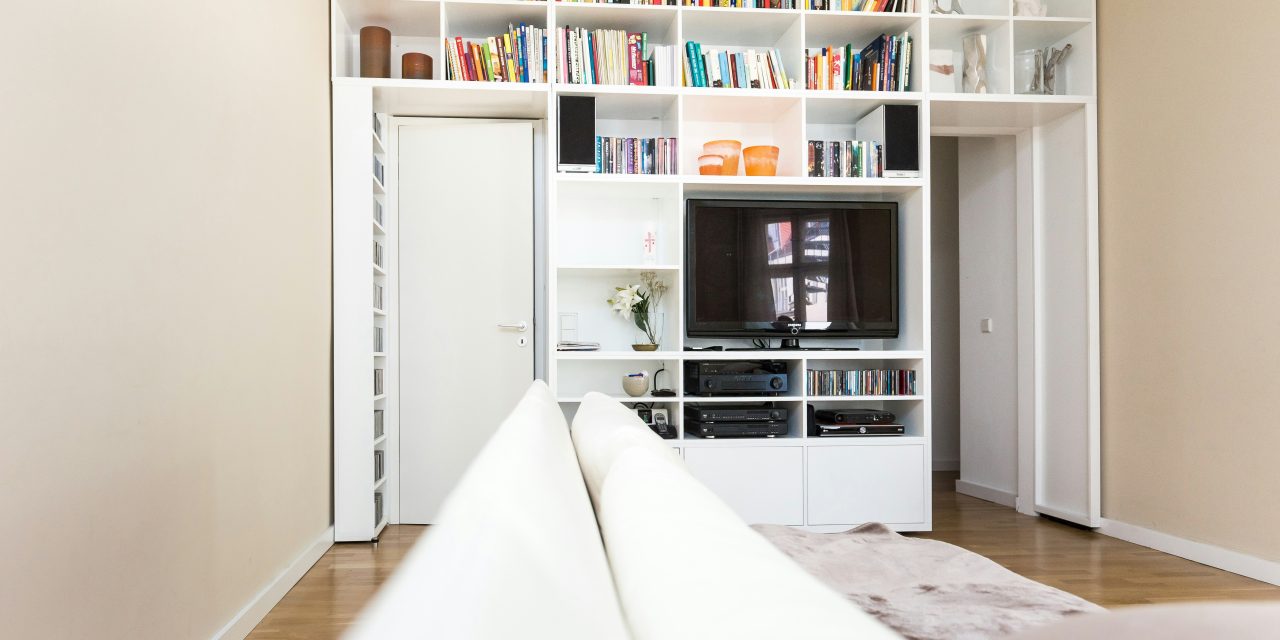
Wall-mounted shelves are an excellent solution for maximizing vertical space in your living room while minimizing floor clutter. These shelves can be used to display books, games, or decorative items while providing additional storage for toys that are not frequently used. By elevating storage off the ground, you create a more open and spacious environment.
When installing wall-mounted shelves, consider their height and accessibility for children. Lower shelves allow kids to reach their toys independently, promoting autonomy in playtime and cleanup. Additionally, use decorative baskets or bins on these shelves to keep items organized and visually appealing. By utilizing wall space effectively, you can create an organized living area that feels both functional and stylish.
Encouraging Kids to Participate in Toy Cleanup
Involving children in the cleanup process is vital for instilling a sense of responsibility regarding their belongings. Make cleanup time a fun activity by incorporating games or challenges; for example, set a timer and encourage them to see how many toys they can put away before time runs out. This approach transforms what could be a mundane task into an engaging experience.
Additionally, establish a routine around cleanup time by incorporating it into daily activities, such as before dinner or bedtime. Consistency helps children understand the importance of maintaining an organized space while reinforcing positive habits. Celebrate their efforts by acknowledging their contributions and offering praise when they successfully tidy up their toys.
Rotating Toys to Reduce Clutter and Maintain Interest
Toy rotation is an effective strategy for managing clutter while keeping children’s interest piqued. Instead of overwhelming them with all their toys at once, select a few items to keep out while storing the rest away in bins or closets. After a few weeks, swap out the toys for different ones from storage; this not only reduces clutter but also makes old toys feel new again.
This method encourages children to engage more deeply with the toys they have available, fostering creativity and imaginative play. Additionally, it allows parents to assess which toys are frequently used and which ones may no longer hold interest, making it easier to declutter over time. By implementing a toy rotation system, you create an organized environment that promotes sustained engagement.
Incorporating Decorative Storage Solutions that Blend with Decor
Aesthetic appeal is essential when selecting storage solutions for your living room. Look for decorative storage options that complement your existing decor style—whether it’s modern, rustic, or eclectic—ensuring that they blend seamlessly into the overall design of the space. Decorative baskets made from natural fibers or stylish bins in coordinating colors can enhance the visual appeal while serving practical purposes.
Consider using furniture pieces that double as storage solutions, such as decorative trunks or stylish cabinets that fit within your design scheme. This approach allows you to maintain an organized environment without compromising on style. By thoughtfully incorporating decorative storage solutions, you create a harmonious living space that feels both functional and inviting.
Establishing a Daily Toy Organization Routine
Creating a daily routine around toy organization can significantly reduce clutter over time. Set aside a specific time each day—perhaps after playtime or before bedtime—for children to tidy up their toys. Consistency is key; establishing this routine helps children understand the importance of maintaining an organized space.
To make this routine enjoyable, consider incorporating music or setting up a reward system where children earn points or stickers for completing their cleanup tasks consistently. This positive reinforcement encourages them to take ownership of their belongings while fostering good habits early on. By establishing a daily organization routine, you cultivate an environment where tidiness becomes second nature.
Teaching Kids Organizational Skills Through Fun Games
Teaching organizational skills through engaging games can make learning enjoyable for children while instilling valuable life skills. Create scavenger hunts where kids must find specific toys and return them to their designated storage areas; this not only reinforces organization but also promotes critical thinking and problem-solving skills.
Another fun game involves sorting toys by category—such as size, color, or type—and challenging kids to see how quickly they can organize them into their respective bins or baskets. These interactive activities make learning about organization feel like play rather than a chore, encouraging children to embrace tidiness as part of their daily lives.
In summary, managing toy clutter in your living room requires thoughtful planning and implementation of various strategies tailored to your family’s needs. By assessing your space effectively, choosing appropriate storage solutions, creating dedicated zones for play, and involving children in cleanup routines, you can foster an organized environment that promotes creativity and responsibility. Incorporating fun games into the learning process further enhances children’s organizational skills while making tidiness enjoyable.
By following these guidelines, you can transform your living room into a harmonious blend of functionality and style—one where both adults and children can thrive amidst an organized atmosphere filled with joy and creativity.
FAQs
What are some effective storage solutions for kids’ toys in the living room?
Effective storage solutions include using baskets, bins, or decorative boxes that can blend with your living room decor. Shelving units can also be utilized to display toys while keeping them organized. Consider multi-functional furniture, such as ottomans with storage space inside, to maximize utility.
How can I encourage my kids to help keep their toys organized?
Encouraging kids to help with organization can be achieved by making it a fun activity. Use colorful bins and labels to create a game out of sorting toys. Establish a routine where kids are involved in tidying up at the end of the day, and offer praise or small rewards for their efforts.
What types of toys should be kept in the living room?
In the living room, it’s best to keep toys that are suitable for communal play, such as board games, puzzles, and building blocks. Avoid cluttering the space with small toys that can easily be lost or create hazards. Select toys that can be easily stored and accessed by children.
How can I maintain a clutter-free living room while having kids’ toys around?
To maintain a clutter-free living room, establish a designated play area where toys can be contained. Regularly declutter by donating or discarding toys that are no longer used. Implement a “one in, one out” rule to manage the number of toys and encourage mindful consumption.
What are some creative ways to display kids’ toys in the living room?
Creative ways to display kids’ toys include using wall-mounted shelves to showcase favorite toys or creating a gallery wall with framed toy art. You can also use clear containers to display toys while keeping them organized. This not only keeps the space tidy but also adds a playful touch to your decor.