
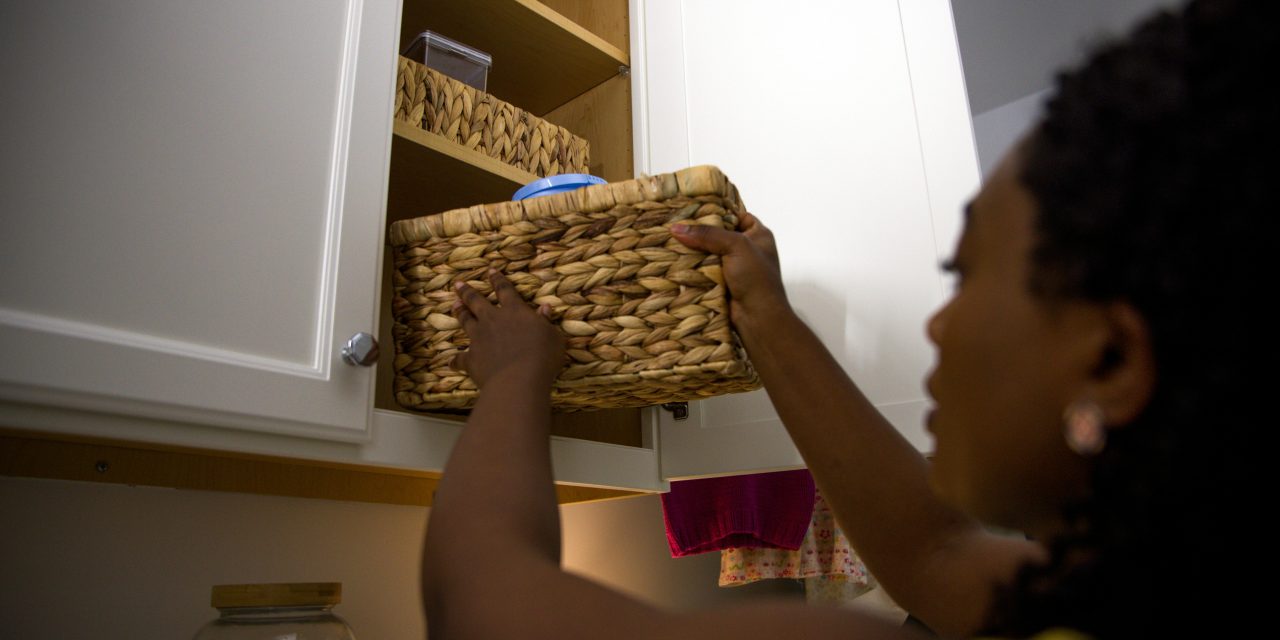
The first step in organizing your medicine cabinet is to conduct a thorough assessment and decluttering process. Begin by emptying the entire cabinet, allowing you to see all medications and supplies at once. This visual inventory will help identify items that are no longer needed, expired, or duplicates. It is essential to approach this task with a critical eye, as many households accumulate medications over time that may no longer serve a purpose.
During this decluttering phase, consider the last time you used each item. If a medication has not been utilized in over a year, it may be time to dispose of it. Additionally, take note of any items that may have been prescribed but were never used. This process not only clears physical space but also promotes safety by reducing the risk of accidental ingestion or misuse of outdated medications.
Categorize Medications by Type and Use
Once the cabinet is decluttered, the next step involves categorizing the remaining medications by type and intended use. Organizing medications into specific categories such as pain relievers, cold and allergy medications, gastrointestinal treatments, and topical ointments can significantly enhance accessibility. This systematic approach allows for quick identification of the required medication during times of need.
Consider creating subcategories within these groups for further organization. For instance, within pain relievers, you might separate acetaminophen from nonsteroidal anti-inflammatory drugs (NSAIDs) like ibuprofen. This level of detail not only streamlines the process of locating medications but also aids in understanding what is available at a glance, ensuring that you are well-prepared for various health situations.
Check Expiration Dates and Dispose Properly

An essential aspect of maintaining a safe medicine cabinet is regularly checking expiration dates on all medications. Expired medications can lose potency and may even become harmful over time. It is crucial to establish a routine for reviewing these dates, ideally every six months, to ensure that all items are current and effective.
When disposing of expired or unused medications, it is vital to follow proper disposal guidelines to prevent environmental contamination and accidental ingestion. Many communities offer drug take-back programs or designated disposal sites for pharmaceuticals. If these options are unavailable, you can dispose of medications in household trash by mixing them with an undesirable substance like coffee grounds or cat litter, sealing them in a container, and throwing them away. Always remember to remove personal information from prescription bottles before disposal.
Use Clear Containers and Labels for Easy Identification

To enhance organization within your medicine cabinet, consider utilizing clear containers and labels for easy identification of contents. Clear bins allow you to see what is inside without having to open each one, saving time and reducing frustration when searching for specific items. Labeling each container with its contents further streamlines the process, ensuring that everyone in the household can quickly locate what they need.
For example, you might have a container labeled “Cold & Allergy” that houses all relevant medications, while another labeled “First Aid” contains bandages and antiseptics. This method not only promotes efficiency but also encourages family members to return items to their designated spots after use, maintaining order within the cabinet.
Store Medications at Appropriate Temperatures
Proper storage conditions are critical for maintaining the efficacy of medications. Most pharmaceuticals should be stored in a cool, dry place away from direct sunlight and humidity. The bathroom is often not an ideal location due to fluctuating temperatures and moisture levels from showers and baths. Instead, consider storing medications in a bedroom or kitchen cabinet where temperature control is more consistent.
For certain medications that require refrigeration, such as insulin or some liquid antibiotics, ensure they are stored at the appropriate temperature as specified on their packaging. Regularly check the temperature of your refrigerator to ensure it remains within the recommended range for medication storage.
Keep Hazardous Items Out of Reach of Children
Safety is paramount when it comes to storing medications, especially in households with children. It is crucial to keep all medications out of reach or locked away to prevent accidental ingestion or misuse. Child-resistant packaging is helpful but should not be solely relied upon; proper storage practices are essential.
Consider investing in a locking cabinet or a high shelf that is inaccessible to children. Additionally, educate older children about the dangers of medications and the importance of not sharing them with peers. By taking these precautions, you can significantly reduce the risk of accidental poisoning or other adverse events related to medication access.
Arrange Daily Essentials for Quick Access
In addition to organizing by type and use, it is beneficial to arrange daily essentials for quick access. Identify which medications are taken regularly—such as daily vitamins or chronic condition treatments—and place them in a designated area within the cabinet that is easily accessible. This arrangement minimizes the time spent searching for frequently used items and encourages adherence to medication regimens.
Consider using a small basket or tray specifically for daily essentials, ensuring that these items are front and center in your cabinet. This proactive approach not only enhances convenience but also promotes better health management by making it easier to remember daily doses.
Utilize Vertical Space with Shelving or Racks
Maximizing vertical space within your medicine cabinet can significantly enhance organization and accessibility. Installing additional shelves or using tiered racks allows you to store more items without overcrowding the cabinet. This method creates a more visually appealing arrangement while ensuring that all items are easily visible and reachable.
When utilizing vertical space, consider grouping similar items together on each shelf or rack. For example, place first aid supplies on one shelf while keeping cold medications on another. This strategic organization not only optimizes space but also simplifies the process of locating specific items when needed.
Maintain a Medication Inventory List
Creating and maintaining a medication inventory list is an invaluable tool for managing your medicine cabinet effectively. This list should include all medications currently stored in the cabinet along with their expiration dates and any pertinent information such as dosage instructions or refill requirements. Keeping this list updated ensures that you are aware of what you have on hand and can easily identify when it’s time to restock.
Consider placing this inventory list on the inside of the cabinet door for easy reference. Regularly reviewing this list during your biannual assessments will help streamline the decluttering process and ensure that your cabinet remains organized and safe.
Establish a Routine for Regular Cabinet Maintenance
Establishing a routine for regular maintenance of your medicine cabinet is essential for long-term organization and safety. Schedule periodic reviews—ideally every six months—to assess contents, check expiration dates, and reorganize as necessary. This proactive approach prevents clutter from accumulating and ensures that all medications remain effective.
During these maintenance sessions, take the opportunity to educate family members about proper medication storage practices and encourage them to participate in the process. By fostering a culture of organization and safety within your household, you can ensure that everyone understands the importance of maintaining an orderly medicine cabinet.
Safely Store and Organize First Aid Supplies Separately
While it may be tempting to store first aid supplies alongside medications, it is advisable to keep them organized separately for clarity and safety. Designate a specific area within your medicine cabinet or use a separate container altogether for first aid supplies such as band-aids, antiseptics, gauze pads, and ointments.
This separation allows for quick access during emergencies while preventing confusion with other medications. Clearly label this section or container as “First Aid” to ensure that all family members can locate these supplies when needed without delay.
In summary, organizing your medicine cabinet involves a systematic approach that includes assessing contents, categorizing items by type and use, checking expiration dates, utilizing clear containers and labels, storing medications at appropriate temperatures, keeping hazardous items out of reach of children, arranging daily essentials for quick access, maximizing vertical space with shelving or racks, maintaining an inventory list, establishing regular maintenance routines, and safely storing first aid supplies separately. By implementing these strategies, you can create a safe and efficient medicine cabinet that promotes better health management for you and your family.
### FAQ Section
1. **How often should I clean out my medicine cabinet?**
It is recommended to clean out your medicine cabinet every six months to ensure all medications are current and safe.
2. **What should I do with expired medications?**
Expired medications should be disposed of properly through drug take-back programs or by mixing them with an undesirable substance before throwing them away.
3. **Can I store medications in the bathroom?**
It is generally not advisable due to humidity fluctuations; instead, opt for a cool, dry place away from direct sunlight.
4. **How can I keep my children safe from medications?**
Store all medications out of reach or in locked cabinets and educate older children about medication safety.
5. **What types of containers are best for organizing medications?**
Clear containers with labels are ideal as they allow easy visibility and identification of contents.
6. **How do I maintain my medication inventory list?**
Regularly update your inventory list during biannual assessments to reflect current contents and expiration dates.
7. **What should I include in my first aid supply kit?**
Essential items include band-aids, antiseptics, gauze pads, adhesive tape, scissors, tweezers, and any necessary prescription medications.
8. **Is it necessary to categorize medications?**
Yes, categorizing medications enhances accessibility and helps ensure that you can quickly find what you need during emergencies.
9. **What temperature should I store my medications?**
Most medications should be stored at room temperature (20-25°C) unless otherwise specified on their packaging.
10. **How can I encourage family members to help maintain organization?**
Educate them about the importance of medication safety and involve them in regular maintenance sessions to foster responsibility.
By following these guidelines and addressing common questions regarding medication storage and organization, you can create a safe environment that promotes health management within your household effectively.
FAQs
What are the essential steps to organize a medicine cabinet safely?
To organize a medicine cabinet safely, start by emptying the cabinet and checking expiration dates on all medications. Dispose of expired or unused medications properly, preferably at a pharmacy take-back program. Clean the shelves with a disinfectant, then categorize items by type (e.g., pain relievers, cold medications, first aid supplies). Store medications in their original containers and label them if necessary. Finally, ensure that the cabinet is locked or out of reach of children.
How should medications be stored in a medicine cabinet?
Medications should be stored in a cool, dry place away from direct sunlight and moisture. Keep them in their original containers with labels intact to avoid confusion. For safety, store medications out of reach of children and pets, and consider using child-proof locks if necessary. Additionally, avoid storing medications in the bathroom, as humidity can affect their efficacy.
What should I do with expired or unused medications?
Expired or unused medications should be disposed of properly to prevent accidental ingestion or environmental harm. The best method is to take them to a pharmacy take-back program, where they can be disposed of safely. If this is not an option, you can mix the medications with an undesirable substance (like coffee grounds or kitty litter), place them in a sealed bag or container, and throw them in the trash. Always remove personal information from prescription bottles before disposal.
How can I keep track of medication expiration dates?
To keep track of medication expiration dates, regularly check your medicine cabinet every few months. You can create a simple inventory list that includes the name of the medication, its expiration date, and the date you purchased it. Consider using a calendar reminder or a mobile app designed for medication management to alert you when it’s time to check or dispose of medications.
What safety measures should I take for children around the medicine cabinet?
To ensure safety for children around the medicine cabinet, always store medications out of their reach, ideally in a locked cabinet. Use child-proof containers and labels that are easy to read. Educate children about the dangers of medications and establish rules about not touching or taking any medicine without adult supervision. Regularly review the contents of the cabinet to remove any items that may pose a risk.


