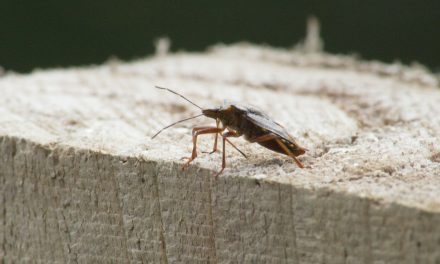
Cluster flies, scientifically known as *Pollenia rudis*, are a common nuisance pest that can invade homes, particularly during the cooler months. These insects are often mistaken for houseflies due to their similar appearance; however, they can be distinguished by their larger size, typically measuring between 8 to 10 mm in length, and their distinctive golden or grayish-brown body covered with fine hairs. Unlike houseflies, cluster flies exhibit a sluggish flight pattern and tend to congregate in large numbers, particularly in attics and wall voids.
Behaviorally, cluster flies are unique in their life cycle. They undergo a complete metamorphosis, transitioning from egg to larva, pupa, and finally to adult. The adult flies emerge in late summer and early fall, seeking shelter to hibernate during the winter months. They are attracted to warmth and light, which is why they often invade attics and other secluded areas of homes. Their presence can be particularly bothersome as they tend to cluster together in groups, creating an unsightly and unhygienic environment.
Why Cluster Flies Invade Your Attic
The primary reason cluster flies invade attics is the search for a warm refuge during the colder months. As temperatures drop, these pests instinctively seek out sheltered locations that provide protection from the elements. Attics, with their insulation and minimal human activity, offer an ideal environment for these insects to hibernate. The warmth generated by the home’s heating system further attracts them, making attics a prime target for infestation.
Additionally, cluster flies are drawn to homes that have abundant food sources nearby. They feed on the larvae of earthworms found in gardens and lawns, which means that properties with rich soil and lush vegetation are more likely to experience infestations. Once they find their way into an attic, they can remain dormant for several months until spring arrives, at which point they emerge in search of food and breeding opportunities.
Signs of a Cluster Fly Infestation

Identifying a cluster fly infestation early can help mitigate the problem before it escalates. Common signs include the presence of adult flies clustered around windowsills, light fixtures, and other warm areas within the attic. Homeowners may also notice small, dark fecal spots on surfaces where flies have congregated. Additionally, the presence of dead flies or larvae can indicate an established infestation.
Another telltale sign is the buzzing sound produced by these flies as they attempt to escape from enclosed spaces. If you notice an unusual number of flies indoors during the fall or winter months, it is crucial to investigate further. Ignoring these signs can lead to a more significant infestation that may require professional intervention.
Preparing Your Attic for Treatment

Before initiating any treatment for cluster flies, it is essential to prepare your attic adequately. Begin by removing any clutter or debris that may provide hiding spots for the flies. This includes old boxes, insulation materials, and any other items that could obstruct treatment efforts. Ensuring that the attic is clean and organized will facilitate better access for both homeowners and pest control professionals.
Next, inspect the attic for any signs of moisture or leaks, as these conditions can attract not only cluster flies but also other pests. Addressing any water issues will help create an inhospitable environment for these insects. Finally, ensure that all entry points are identified and sealed before treatment begins to prevent reinfestation after the initial eradication efforts.
Natural Methods to Repel Cluster Flies
For those seeking eco-friendly solutions to repel cluster flies, several natural methods can be employed effectively. Essential oils such as peppermint, eucalyptus, and lavender have been shown to deter these pests due to their strong scents. Mixing a few drops of these oils with water in a spray bottle can create a natural repellent that can be applied around windows and entry points.
Another effective natural method involves using vinegar traps. By combining equal parts of vinegar and water in a bowl and placing it in areas where cluster flies are prevalent, homeowners can attract and trap these insects. The strong odor of vinegar lures them in while preventing escape. Additionally, maintaining a clean environment by regularly vacuuming and removing food sources will further discourage cluster fly activity.
Using Insecticides Safely and Effectively
When natural methods prove insufficient, insecticides may be necessary to eliminate cluster flies effectively. It is crucial to select products specifically designed for flying insects and follow the manufacturer’s instructions carefully. Pyrethroid-based insecticides are commonly used due to their effectiveness against cluster flies.
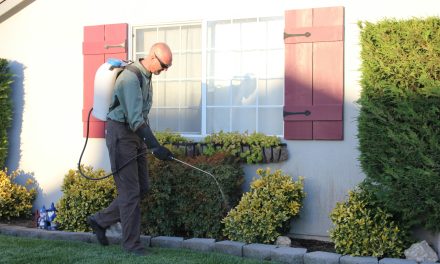
Before applying insecticides, ensure that all food items are stored securely and that pets are removed from the area. Apply the insecticide in areas where cluster flies are most active, such as around windowsills and entry points. It is advisable to wear protective gear such as gloves and masks during application to minimize exposure to chemicals.
After treatment, monitor the area for any signs of continued activity. If necessary, reapply the insecticide according to the product guidelines until the infestation is under control.
Sealing Entry Points to Prevent Reinfestation
Preventing reinfestation is a critical step in managing cluster fly populations effectively. Sealing entry points is essential to ensure that these pests cannot re-enter your home after treatment. Begin by inspecting your attic for gaps around windows, vents, and other openings where flies may gain access.
Using caulk or weather stripping can effectively seal these gaps. Pay special attention to areas where utility lines enter the home, as these can often be overlooked but serve as potential entry points for pests. Additionally, installing screens on vents and chimneys can provide an extra layer of protection against future infestations.
Setting Up Traps for Cluster Flies
Setting up traps can be an effective strategy for managing cluster fly populations within your attic. Commercially available traps designed specifically for flying insects can be placed strategically around the attic space. These traps often utilize attractants that lure flies in while preventing their escape.
Alternatively, homemade traps can be created using simple materials such as jars filled with sugar water or vinegar mixed with dish soap. The sweet scent attracts the flies while the soap breaks the surface tension of the liquid, causing them to drown. Regularly check and replace traps as needed to maintain their effectiveness.
Maintaining Attic Cleanliness to Deter Flies
Maintaining cleanliness within your attic is paramount in deterring cluster flies from establishing a presence in your home. Regularly inspect and clean the attic space to remove any potential food sources or breeding grounds for pests. This includes disposing of any organic materials such as dead insects or debris that may attract flies.
Additionally, consider implementing a routine cleaning schedule that includes vacuuming surfaces and dusting corners where flies may congregate. Keeping the attic well-ventilated will also help reduce humidity levels that could attract pests seeking shelter from moisture.
When to Call a Professional Exterminator
While many homeowners may attempt DIY methods for managing cluster fly infestations, there are instances when professional intervention is necessary. If you notice a significant increase in fly activity despite your efforts or if you are uncomfortable handling insecticides yourself, it may be time to call a professional exterminator.
Pest control experts possess specialized knowledge and tools that allow them to assess the situation accurately and implement effective treatment strategies tailored to your specific needs. They can also provide valuable insights into long-term prevention measures that will help keep your home free from future infestations.
Long-Term Prevention Strategies for Cluster Flies
To ensure long-term prevention of cluster fly infestations, homeowners should adopt a proactive approach that includes regular inspections and maintenance of their property. Establishing a routine check-up schedule for sealing entry points and maintaining cleanliness will significantly reduce the likelihood of future invasions.
Additionally, consider landscaping practices that minimize fly attraction by reducing moisture levels around your home’s perimeter. Keeping vegetation trimmed back from windows and doors will also limit access points for these pests. Finally, educating yourself about seasonal patterns of cluster fly behavior will enable you to anticipate potential infestations before they occur.
In summary, understanding cluster flies—identifying their behavior and signs of infestation—is crucial for effective management strategies. By preparing your attic properly, employing natural repellents or insecticides safely, sealing entry points, setting traps, maintaining cleanliness, knowing when to call professionals, and implementing long-term prevention strategies, homeowners can significantly reduce the risk of cluster fly invasions in their homes.
FAQs
What are cluster flies?
Cluster flies are a type of fly that typically invade homes in the fall and winter months. They are larger than house flies and have a distinctive golden color on their thorax. Unlike house flies, cluster flies do not breed indoors; instead, they seek shelter in attics and wall voids to hibernate during colder months.
How do cluster flies get into the attic?
Cluster flies can enter attics through small openings, cracks, or gaps in the building’s exterior. They are attracted to warmth and light, often finding their way in through vents, windows, or poorly sealed areas. Once inside, they tend to congregate in large numbers, making their presence noticeable.
What are effective methods to get rid of cluster flies in the attic?
Effective methods for getting rid of cluster flies include sealing entry points, using insecticides specifically designed for flies, and employing traps. Vacuuming can also help remove flies that are already present. Additionally, using natural repellents like essential oils may deter them from returning.
Can cluster flies cause damage to my home?
Cluster flies do not cause structural damage to homes, but their presence can be a nuisance. They can leave behind stains and odors, and their large numbers can create an unsightly situation. If left unchecked, they may also attract other pests, which could lead to further issues.
When is the best time to treat for cluster flies?
The best time to treat for cluster flies is in the late summer or early fall, before they enter the home to hibernate. This proactive approach can help reduce their numbers significantly. If they are already present, treatments can still be effective at any time during the winter months when they are active indoors.