Canned foods have become a staple in modern kitchens, offering convenience, longevity, and nutritional value. The process of canning, which involves sealing food in airtight containers and heating them to destroy microorganisms, allows for the preservation of seasonal produce and other perishable items. This method not only extends the shelf life of food but also retains essential nutrients, making canned goods a practical choice for busy households and emergency preparedness.
The significance of canned foods extends beyond mere convenience. They serve as a reliable source of nutrition during times of scarcity, natural disasters, or economic downturns. With a diverse range of options available, from fruits and vegetables to meats and ready-to-eat meals, canned foods can cater to various dietary needs and preferences. Understanding the importance of these products can help consumers make informed choices about their pantry staples.
Understanding Shelf Life: What It Means for Canned Goods
Shelf life refers to the length of time that a product remains safe to consume while maintaining its intended quality. For canned goods, this is influenced by several factors, including the type of food, the canning process, and storage conditions. Generally, canned foods can last for several years when stored properly, making them an excellent option for long-term food storage.
It is crucial to note that while canned foods may remain safe to eat beyond their expiration dates, their quality may diminish over time. Factors such as changes in texture, flavor, and nutritional content can occur as cans age. Therefore, consumers should regularly check their pantry for expiration dates and rotate their stock to ensure they are consuming the freshest products available.
Top 10 Canned Foods You Should Keep in Your Pantry

1. Canned Beans: A versatile source of protein and fiber.
2. Canned Tuna: Rich in omega-3 fatty acids and easy to incorporate into meals.
3. Canned Vegetables: Convenient options for adding nutrients to dishes.
4. Canned Fruits: A sweet treat that can be used in desserts or snacks.
5. Canned Soups: Quick meals that require minimal preparation.
6. Canned Meats: A protein-rich option for various recipes.
7. Canned Tomatoes: Essential for sauces, soups, and stews.
8. Canned Pasta: Ready-to-eat meals that save time.
9. Canned Coconut Milk: A creamy addition to curries and desserts.
10. Specialty Canned Foods: Unique items that can elevate your culinary creations.
These ten canned foods not only provide essential nutrients but also offer versatility in meal preparation, making them indispensable in any well-stocked pantry.
Canned Beans: Types and Shelf Life

Canned beans are a powerhouse of nutrition, providing an excellent source of plant-based protein, fiber, vitamins, and minerals. Common varieties include black beans, kidney beans, chickpeas, and pinto beans. Each type offers unique flavors and textures that can enhance a variety of dishes, from salads to stews.
The shelf life of canned beans typically ranges from 2 to 5 years when stored in a cool, dry place. However, it is essential to inspect cans for any signs of damage or bulging before consumption. Properly stored canned beans can retain their quality for an extended period, making them a reliable pantry staple.
Canned Tuna and Other Seafood: Storage Tips
Canned tuna is a popular choice among seafood lovers due to its rich flavor and high omega-3 fatty acid content. Other canned seafood options include salmon, sardines, and mackerel, each offering unique health benefits and culinary uses. These products are often packed in water or oil, which can affect their flavor and texture.
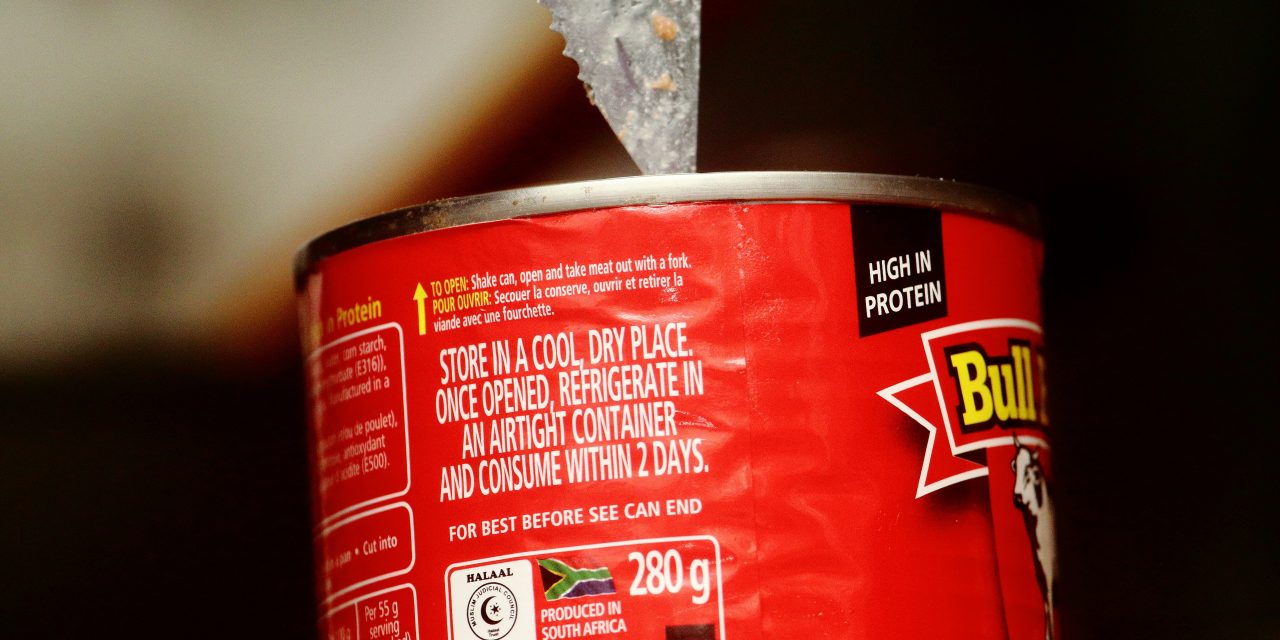
To maximize the shelf life of canned seafood, it is crucial to store them in a cool, dark place away from direct sunlight. Once opened, any leftover contents should be transferred to an airtight container and refrigerated for up to three days. Proper storage practices ensure that these nutritious options remain safe and flavorful for consumption.
Canned Vegetables: Popular Varieties and Longevity
Canned vegetables provide an easy way to incorporate essential nutrients into meals without the hassle of washing and chopping fresh produce. Popular varieties include corn, green beans, peas, and carrots. These vegetables are often blanched before canning to preserve their color and texture.
The shelf life of canned vegetables typically ranges from 3 to 5 years when stored correctly. However, it is essential to check for any signs of spoilage before consumption. While canned vegetables may not have the same crispness as fresh ones, they still retain valuable vitamins and minerals that contribute to a balanced diet.
Canned Fruits: Best Choices and Expiration Dates
Canned fruits offer a convenient way to enjoy seasonal flavors year-round. Common options include peaches, pears, pineapple, and fruit cocktail. These fruits are often packed in syrup or juice, which can enhance their sweetness but may also add extra calories.
The shelf life of canned fruits generally ranges from 1 to 3 years when stored properly. It is important to inspect cans for any signs of rust or damage before consumption. While canned fruits can be enjoyed on their own or added to desserts and salads, consumers should be mindful of added sugars in syrup-packed varieties.
Canned Soups and Stews: Convenience and Durability
Canned soups and stews provide a quick meal solution for busy individuals or families. With a wide variety of flavors available—from classic chicken noodle to hearty vegetable—these products cater to diverse tastes and dietary preferences. Many canned soups are fortified with vitamins and minerals, making them a nutritious option.
The shelf life of canned soups typically ranges from 2 to 5 years when stored in optimal conditions. To ensure freshness, consumers should check expiration dates regularly and rotate their stock accordingly. While these products offer convenience, it is essential to read labels for sodium content and other nutritional information.
Canned Meats: Options and How Long They Last
Canned meats provide a convenient source of protein that can be easily incorporated into various dishes. Options include chicken, beef, turkey, and even specialty items like spam or corned beef hash. These products are often pre-cooked during the canning process, making them ready-to-eat or easy to heat up.
The shelf life of canned meats generally ranges from 2 to 5 years when stored properly in a cool environment. Consumers should inspect cans for any signs of damage or bulging before use. While canned meats can be a practical solution for quick meals or camping trips, it is essential to consider sodium levels and other nutritional factors when incorporating them into your diet.
Canned Tomatoes: Uses and Shelf Stability
Canned tomatoes are a versatile ingredient that serves as the foundation for countless recipes, including sauces, soups, stews, and casseroles. Available in various forms—whole peeled tomatoes, diced tomatoes, crushed tomatoes, or tomato paste—these products offer flexibility in cooking.
The shelf life of canned tomatoes typically ranges from 1 to 2 years when stored correctly. It is important to check cans for any signs of damage or rust before use. While canned tomatoes may not have the same freshness as their fresh counterparts, they still provide essential vitamins such as vitamin C and lycopene.
Canned Pasta and Ready Meals: What to Expect
Canned pasta and ready meals offer convenience for those seeking quick meal solutions without sacrificing taste or nutrition. Options include spaghetti with meat sauce, ravioli, or chili with beans—each designed for easy preparation with minimal cooking required.
The shelf life of these products generally ranges from 1 to 3 years when stored properly in a cool environment. Consumers should always check expiration dates before consumption and inspect cans for any signs of damage or spoilage. While these meals provide convenience, it is essential to consider their nutritional content when incorporating them into your diet.
Specialty Canned Foods: Unique Items and Their Lifespan
Specialty canned foods encompass a wide range of unique items that can elevate culinary experiences beyond traditional staples. Examples include canned jackfruit (a popular meat substitute), artichoke hearts, or even gourmet sauces like pesto or curry paste.
The shelf life of specialty canned foods varies widely depending on the product but generally ranges from 1 to 3 years when stored correctly. Consumers should always check expiration dates and inspect cans for any signs of damage before use. These unique items can add flair to meals while providing essential nutrients.
Tips for Proper Storage to Maximize Shelf Life of Canned Foods
To maximize the shelf life of canned foods, proper storage practices are essential:
1. Store cans in a cool, dry place away from direct sunlight.
2. Keep cans organized by expiration date—first in, first out (FIFO).
3. Avoid storing cans in damp areas such as basements or garages.
4. Inspect cans regularly for signs of rust or bulging.
5. Rotate stock periodically to ensure freshness.
6. Avoid freezing canned goods as this can compromise their integrity.
By following these guidelines, consumers can ensure that their canned foods remain safe and nutritious for extended periods.
In summary, canned foods play an integral role in modern diets due to their convenience, longevity, and nutritional value. Understanding the various types available—ranging from beans and seafood to fruits and specialty items—can help consumers make informed choices about their pantry staples while maximizing shelf life through proper storage practices.
FAQs
What is the typical shelf life of canned food?
The typical shelf life of canned food can vary depending on the type of food and the canning process, but most canned goods can last anywhere from 2 to 5 years when stored properly. Some items, like canned vegetables and fruits, may last even longer, while others, such as canned meats, may have a shorter shelf life.
How can I tell if canned food is still safe to eat?
To determine if canned food is still safe to eat, check for signs of spoilage such as bulging or dented cans, rust, leaks, or a foul odor upon opening. If the can is damaged or the food looks or smells off, it is best to discard it.
Does canned food expire?
Canned food does not have a strict expiration date, but it does have a “best by” or “use by” date that indicates when the food is expected to maintain its best quality. After this date, the food may still be safe to eat, but its taste and texture may deteriorate.
What is the best way to store canned food?
The best way to store canned food is in a cool, dry place away from direct sunlight and extreme temperatures. A pantry or cupboard is ideal. It is also important to keep the cans off the floor and to rotate your stock, using older cans first.
Can I eat canned food after the best by date?
Yes, you can often eat canned food after the best by date, as long as the can is intact and there are no signs of spoilage. However, the quality may not be as good, and it is advisable to inspect the food carefully before consumption.