In the realm of home organization, efficient clothes folding stands as a pivotal skill that transcends mere aesthetics. The act of folding garments not only conserves space but also enhances accessibility, allowing individuals to locate their desired items swiftly. A well-organized wardrobe can significantly reduce stress and save time during daily routines. Moreover, proper folding techniques can prolong the lifespan of clothing by minimizing creases and preventing fabric damage. As we delve into various folding methods, it becomes evident that mastering these techniques can transform a chaotic closet into a serene sanctuary.
The psychological benefits of an organized space cannot be overstated. Studies have shown that clutter can lead to increased anxiety and decreased productivity. By implementing efficient folding strategies, individuals can cultivate a sense of control over their environment. This article will explore several innovative folding techniques, each designed to maximize space and enhance the overall organization of clothing items. From the renowned KonMari Method to practical rolling techniques, readers will discover a plethora of strategies to elevate their wardrobe management.
The KonMari Method: Folding for Visibility and Space
The KonMari Method, developed by Marie Kondo, emphasizes the importance of joy and mindfulness in the organization process. This technique advocates for folding clothes in a manner that allows them to stand upright in drawers, promoting visibility and accessibility. By utilizing this method, individuals can easily see all their clothing at a glance, eliminating the frustration of rummaging through piles of garments.
To implement the KonMari Method effectively, one must first prepare the clothing items by ensuring they are clean and dry. Begin by laying the garment flat on a clean surface. Fold the sides inward towards the center, creating a rectangular shape. Next, fold the bottom up towards the top, ensuring that the garment is compact enough to stand upright. This technique not only maximizes drawer space but also encourages individuals to appreciate each item they own, fostering a deeper connection with their wardrobe.
Rolling Clothes: Compact and Wrinkle-Free

Rolling clothes is another highly effective technique that offers both compactness and wrinkle resistance. This method is particularly advantageous for travel or for those with limited storage space. By rolling garments tightly, individuals can fit more items into their luggage or drawers while minimizing creases that often occur with traditional folding methods.
To roll clothes effectively, start by laying the garment flat on a surface. For t-shirts, fold the sleeves inward to create a straight edge along the sides. Then, starting from the bottom, tightly roll the shirt upwards towards the neckline. For pants, fold them in half lengthwise before rolling from the waistband down to the hem. This technique not only saves space but also allows for easy unpacking and organization when traveling.
The File Folding Technique: Vertical Storage Explained

The file folding technique is an innovative approach that combines elements of both traditional folding and vertical storage. This method involves folding garments into small rectangles that can be stored vertically in drawers or bins, similar to files in a cabinet. This technique maximizes space while ensuring that each item is easily visible and accessible.
To execute file folding, begin by laying the garment flat and folding it in half lengthwise. Next, fold the sleeves inward (for shirts) or the legs (for pants) to create a neat rectangle. Finally, fold the garment into thirds or quarters, depending on its size, ensuring it can stand upright when placed in a drawer. This method not only enhances organization but also allows for quick selection of clothing items without disturbing others.
Folding T-Shirts: Maximizing Drawer Width
Folding t-shirts efficiently is crucial for maximizing drawer width and maintaining an organized appearance. A well-folded t-shirt not only saves space but also minimizes wrinkles, ensuring that garments remain fresh and ready to wear. The key to effective t-shirt folding lies in creating uniformity and compactness.
To fold a t-shirt optimally, start by laying it face down on a flat surface. Fold each sleeve inward towards the center of the shirt to create straight edges along the sides. Next, fold the bottom hem up towards the neckline, ensuring that the shirt maintains its rectangular shape. Finally, fold the shirt in half or thirds, depending on drawer depth. This method allows for easy stacking and retrieval while maximizing available space.
Efficiently Folding Pants and Jeans
Folding pants and jeans requires a slightly different approach due to their structure and fabric weight. Properly folded trousers not only save space but also prevent creasing and maintain their shape over time. The goal is to create a compact fold that allows for easy storage without compromising garment integrity.
To fold pants efficiently, begin by laying them flat on a surface with the front facing up. Fold one leg over the other to align the seams perfectly. Starting from the waistband, fold down towards the hem in half or thirds, depending on drawer size. For jeans, consider rolling them instead if space is particularly tight; this method can help reduce wrinkles while maximizing storage efficiency.
Using Folding Boards for Uniformity
Folding boards are invaluable tools for achieving uniformity in clothing folds. These boards come in various sizes and materials, allowing users to create consistent folds across different types of garments. By utilizing a folding board, individuals can streamline their folding process and ensure that each item maintains a neat appearance.
To use a folding board effectively, lay it flat on a surface and place the garment on top with its front facing down. Follow the board’s guidelines to fold each side inward before flipping it over to reveal a perfectly folded item. This technique not only enhances visual appeal but also simplifies organization within drawers or storage bins.
Folding Sweaters to Avoid Stretching
Sweaters require special attention when it comes to folding due to their susceptibility to stretching and distortion. Proper folding techniques can help maintain their shape while preventing unwanted creases or damage to delicate fibers. The goal is to create a compact fold that minimizes stress on the fabric.
To fold a sweater correctly, start by laying it flat on a clean surface with the front facing down. Fold each sleeve inward towards the center of the garment to create straight edges along the sides. Next, fold the bottom hem up towards the neckline before folding it in half or thirds horizontally. This method ensures that weight is evenly distributed across the fabric, preventing stretching while maximizing storage efficiency.
Organizing Socks and Underwear Neatly
Organizing socks and underwear may seem trivial; however, efficient folding techniques can significantly enhance drawer organization and accessibility. By employing specific methods for these smaller items, individuals can create a tidy appearance while ensuring quick retrieval when needed.
For socks, consider rolling them together into pairs or using a simple fold technique where each sock is folded over itself before stacking vertically in a drawer. For underwear, lay each piece flat and fold it in half before stacking them neatly within designated compartments or bins. This approach not only maximizes space but also simplifies daily routines by making it easy to find desired items quickly.
Utilizing Drawer Dividers Alongside Folding
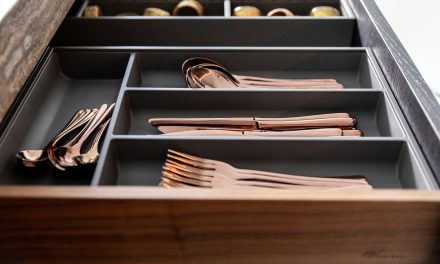
Drawer dividers serve as an excellent complement to efficient folding techniques by providing structure and organization within drawers. These dividers create designated spaces for different types of clothing items, preventing chaos from ensuing as garments are added or removed.
When utilizing drawer dividers alongside folding methods, consider categorizing items based on type or frequency of use. For instance, place everyday essentials like t-shirts and underwear in easily accessible sections while reserving less frequently used items for deeper compartments. This strategic organization enhances overall efficiency while maintaining an aesthetically pleasing appearance.
Seasonal Folding Tips to Rotate Wardrobe Efficiently
Seasonal changes often necessitate wardrobe rotations; thus, employing effective folding techniques during these transitions can streamline organization efforts significantly. By implementing specific strategies tailored to seasonal clothing items, individuals can maximize space while ensuring easy access throughout the year.
When transitioning between seasons, consider storing off-season clothing in vacuum-sealed bags or bins after properly folding them using preferred techniques such as rolling or file folding. This approach minimizes space consumption while protecting garments from dust and moisture damage during storage periods. Additionally, regularly assess your wardrobe for items that may no longer serve you; donating or discarding unused pieces can further enhance organization efforts.
Combining Techniques for Optimal Drawer Space
In conclusion, mastering efficient clothes folding techniques is essential for creating an organized wardrobe that promotes accessibility and reduces stress levels associated with cluttered spaces. By exploring various methods such as the KonMari Method, rolling techniques, file folding, and utilizing drawer dividers alongside proper garment care practices like avoiding stretching in sweaters or maintaining uniformity with folding boards, individuals can achieve optimal drawer space utilization.
Ultimately, combining these techniques allows for personalized organization strategies tailored to individual preferences and lifestyles. As one embraces these methods, they will not only enhance their living environment but also cultivate a deeper appreciation for their clothing collection—transforming everyday routines into moments of joy and mindfulness amidst life’s chaos.
FAQs
Why is folding clothes important for saving drawer space?
Folding clothes properly helps maximize the available space in your drawers by allowing you to fit more items neatly. It also prevents wrinkles and makes it easier to see and access your clothing, reducing clutter and improving organization.
What are some effective folding techniques for saving space?
Some effective folding techniques include the Marie Kondo method, which involves folding clothes into small rectangles and standing them upright in drawers, and the rolling method, where clothes are rolled tightly to minimize bulk. Both methods help utilize vertical space and keep items visible.
Can I fold bulky items like sweaters and jackets to save space?
Yes, bulky items can be folded to save space. For sweaters, it’s best to fold them gently to avoid stretching, while jackets can be folded by laying them flat and folding the sleeves inward. This helps to keep them compact and organized in your drawers.
How can I organize my folded clothes in drawers?
To organize folded clothes in drawers, group similar items together, such as t-shirts, pants, and undergarments. Use dividers or small bins to separate categories, and consider placing frequently used items at the top for easy access. This method enhances visibility and makes it easier to maintain order.
Are there any tools or accessories that can help with folding clothes?
Yes, there are several tools and accessories that can assist with folding clothes, such as folding boards, which help create uniform folds, and drawer organizers, which keep items separated. These tools can streamline the folding process and improve overall organization in your drawers.