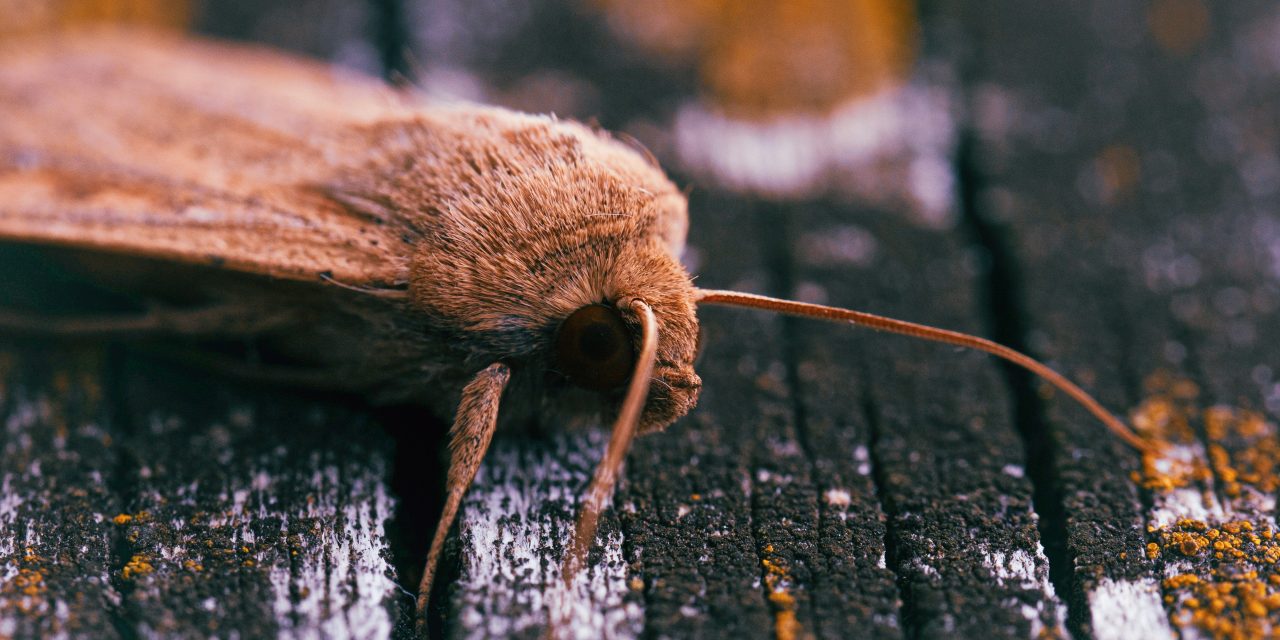
Pantry moths, scientifically known as Plodia interpunctella, are a common nuisance in households, particularly in kitchens and food storage areas. The initial signs of an infestation often manifest as small, fluttering insects that are typically grayish-brown with distinctive coppery markings on their wings. Adult moths measure approximately 1/2 inch in length and are most active during the evening hours. However, it is not just the adult moths that indicate a problem; their larvae, which are creamy-white and can grow up to 1 inch long, are often the most damaging stage of their life cycle.
Symptoms of a pantry moth infestation include the presence of webbing or silk-like threads in food packages, as well as clumped or discolored grains and cereals. Additionally, you may notice small holes in packaging or find larvae crawling within food items. These signs can lead to contamination of stored goods, making it crucial to identify and address the issue promptly to prevent further spread.
Common Causes of Pantry Moth Infestations
Understanding the common causes of pantry moth infestations is essential for effective management. One primary factor is the introduction of infested food products into the home. Items such as grains, flour, nuts, dried fruits, and even pet food can harbor eggs or larvae that go unnoticed until they hatch. Once inside your pantry, these pests can reproduce rapidly, leading to a full-blown infestation within weeks.
Another contributing factor is improper storage practices. Leaving food items in their original packaging can provide easy access for pantry moths. Additionally, inadequate cleaning of pantry shelves can create an inviting environment for these pests. Crumbs and spills can attract moths and provide sustenance for larvae, exacerbating the problem. Recognizing these causes is vital for implementing effective prevention strategies.
Inspecting Your Pantry: What to Look For

A thorough inspection of your pantry is crucial for identifying the extent of a pantry moth infestation. Begin by removing all food items from shelves and examining each package carefully. Look for signs of damage such as holes in packaging or webbing that may indicate the presence of larvae. Pay special attention to items that are stored in cardboard boxes or paper bags, as these materials are more susceptible to infestations.
In addition to inspecting food items, examine the pantry itself for any signs of moth activity. Check corners, crevices, and behind shelves where debris may accumulate. Moths often lay eggs in hidden areas, so a comprehensive inspection is necessary to ensure no larvae or eggs remain. If you discover any signs of infestation, it is imperative to take immediate action to prevent further spread.
Removing Infested Food Items Safely

Once you have identified infested food items, it is essential to remove them safely to prevent contamination of other products. Begin by sealing infested packages in plastic bags before disposing of them in an outdoor trash bin. This step minimizes the risk of moths escaping back into your home during disposal. It is also advisable to discard any food items that show signs of damage or contamination, even if they appear unaffected.
After removing infested items, thoroughly clean the pantry shelves with a mixture of soap and water or a vinegar solution. This cleaning process will help eliminate any remaining eggs or larvae that may be present on surfaces. Ensure that all cleaning tools are sanitized afterward to avoid reintroducing pests into your pantry.
Deep Cleaning Your Pantry to Eliminate Moths
Deep cleaning your pantry is a critical step in eradicating pantry moths and preventing future infestations. Start by emptying the entire pantry and vacuuming all surfaces, including shelves, corners, and floor areas. Use a vacuum with a hose attachment to reach tight spaces where moths may hide. After vacuuming, dispose of the vacuum bag immediately to prevent any potential escapees.
Next, wash all shelves with a mixture of hot water and mild detergent or a solution of vinegar and water. Pay special attention to any sticky residues or spills that may attract pests. Once cleaned, allow the shelves to dry completely before returning food items. Consider using airtight containers for storage to further protect against future infestations.
Using Natural Remedies to Repel Pantry Moths
Natural remedies can be effective in repelling pantry moths without resorting to harsh chemicals. One popular option is using essential oils known for their insect-repelling properties. Oils such as peppermint, lavender, and eucalyptus can be diluted with water and sprayed around pantry areas to deter moths. Additionally, placing sachets filled with dried herbs like bay leaves or rosemary within your pantry can act as a natural deterrent.
Another effective natural remedy involves using diatomaceous earth (DE), a fine powder made from fossilized algae that can be sprinkled in areas where moths are likely to hide. DE works by dehydrating insects upon contact, effectively eliminating them without posing risks to humans or pets. Regularly refreshing these natural deterrents can help maintain a moth-free environment.
Chemical Treatments: When and How to Use Them
In cases where natural remedies prove insufficient, chemical treatments may be necessary to combat pantry moth infestations effectively. Insecticides specifically formulated for pantry pests are available at most home improvement stores. When selecting a product, ensure it is labeled safe for indoor use and specifically targets pantry moths.
Before applying any chemical treatment, carefully read the manufacturer’s instructions and safety precautions. It is advisable to remove all food items from the area being treated and cover surfaces with plastic sheeting to prevent contamination. After application, allow sufficient time for the product to take effect before reintroducing food items into the pantry.
Preventative Storage Tips to Protect Your Food
Preventing pantry moth infestations begins with proper storage practices for food items. Always store grains, cereals, nuts, and dried fruits in airtight containers made from glass or heavy-duty plastic. These containers not only keep pests out but also preserve the freshness of your food longer.
Additionally, regularly check your pantry for expired items or those that show signs of damage. Implementing a “first in, first out” system can help ensure older products are used before newer ones, reducing the likelihood of infestations developing unnoticed over time.
Sealing and Organizing Containers for Maximum Protection
Effective sealing and organization of containers play a pivotal role in safeguarding your pantry against moths. Invest in high-quality containers with tight-fitting lids that create an airtight seal. Label each container clearly with its contents and date of purchase to facilitate easy identification during meal preparation.
Organizing your pantry by grouping similar items together can also enhance visibility and make it easier to spot any signs of infestation early on. Consider using clear containers for easy monitoring of contents while ensuring that all items are stored off the ground to minimize access points for pests.
Monitoring Your Pantry for Early Detection
Regular monitoring of your pantry is essential for early detection of potential infestations before they escalate into larger problems. Schedule routine inspections every few weeks to check for signs of moth activity or damage to food items. Keeping a close eye on newly purchased products can help identify any issues before they spread.
Consider placing pheromone traps within your pantry as an additional monitoring tool. These traps attract male moths using synthetic pheromones, allowing you to gauge the level of infestation present in your home while also helping reduce their population.
Long-Term Strategies to Keep Pantry Moths Away
Implementing long-term strategies is crucial for maintaining a moth-free environment in your pantry. Regularly cleaning and organizing your storage areas will help deter pests from taking up residence in your home. Additionally, consider rotating your food supplies frequently and using airtight containers consistently.
Educating yourself about seasonal trends in pest activity can also aid in prevention efforts. For instance, pantry moths tend to thrive during warmer months when they are more likely to enter homes through open doors or windows. By being proactive during these times—such as sealing entry points and maintaining cleanliness—you can significantly reduce the risk of infestations.
In summary, pantry moths pose a significant threat to stored food items if not addressed promptly and effectively. Identifying signs of infestation early on is crucial for successful management. By understanding common causes, conducting thorough inspections, removing infested items safely, deep cleaning your pantry, utilizing natural remedies or chemical treatments when necessary, implementing preventative storage tips, sealing containers effectively, monitoring regularly, and adopting long-term strategies, you can protect your home from these persistent pests effectively.
### FAQ Section
1. **What are pantry moths attracted to?**
Pantry moths are primarily attracted to grains, cereals, nuts, dried fruits, and pet food.
2. **How do I know if I have a pantry moth infestation?**
Signs include seeing adult moths flying around your kitchen, finding webbing in food packages, or discovering clumped grains.
3. **Can I eat food that has been infested by pantry moths?**
It is not advisable to consume infested food items as they may contain larvae or eggs that could pose health risks.
4. **How long does it take for pantry moths to reproduce?**
Pantry moths can reproduce quickly; under optimal conditions, females can lay up to 400 eggs within their lifespan of about 7-14 days.
5. **Are there any natural repellents I can use?**
Yes! Essential oils like peppermint and lavender or dried herbs like bay leaves can help repel pantry moths naturally.
6. **What should I do if I find larvae in my food?**
Discard any infested items immediately and clean your pantry thoroughly before restocking it with new products.
7. **How often should I inspect my pantry?**
Regular inspections every few weeks are recommended to catch any potential infestations early on.
8. **Can I use insecticides around food?**
Only use insecticides specifically labeled for indoor use around food storage areas and follow all safety precautions outlined by the manufacturer.
9. **What types of containers are best for storing food?**
Airtight containers made from glass or heavy-duty plastic are ideal for preventing pest access while preserving food freshness.
10. **How do I prevent future infestations?**
Maintain cleanliness in your pantry, store food properly in airtight containers, monitor regularly for signs of pests, and educate yourself about seasonal trends related to pest activity.
In conclusion, addressing pantry moth infestations requires vigilance and proactive measures from identification through prevention strategies. By implementing these comprehensive approaches outlined above, you can safeguard your kitchen against these unwelcome pests effectively.
FAQs
What are pantry moths and how do they get into my home?
Pantry moths, also known as Indian meal moths, are small insects that infest stored food products. They typically enter homes through infested food items purchased from stores, such as grains, nuts, and dried fruits. Once inside, they can reproduce quickly, leading to larger infestations.
What are the signs of a pantry moth infestation?
Signs of a pantry moth infestation include finding webbing in food packages, seeing adult moths flying around your kitchen, and discovering larvae or cocoons in your pantry. You may also notice holes in food packaging or clumps of food that appear to be contaminated.
How can I effectively get rid of pantry moths?
To eliminate pantry moths, start by removing all food items from your pantry and inspecting them for signs of infestation. Discard any contaminated items. Clean the pantry thoroughly with soap and water, and vacuum corners and shelves. Use pheromone traps to catch adult moths and consider sealing food in airtight containers to prevent future infestations.
What preventive measures can I take to protect my stored food from pantry moths?
To protect stored food from pantry moths, store all dry goods in airtight containers, regularly check for signs of infestation, and keep your pantry clean and organized. Additionally, consider using bay leaves or essential oils like peppermint as natural deterrents, as these can help repel pantry moths.
Are pantry moths harmful to humans or pets?
Pantry moths are not harmful to humans or pets, as they do not bite or sting. However, consuming food contaminated with pantry moth larvae or webbing can be unappetizing and may cause digestive discomfort. It is best to discard any infested food items to avoid potential health risks.