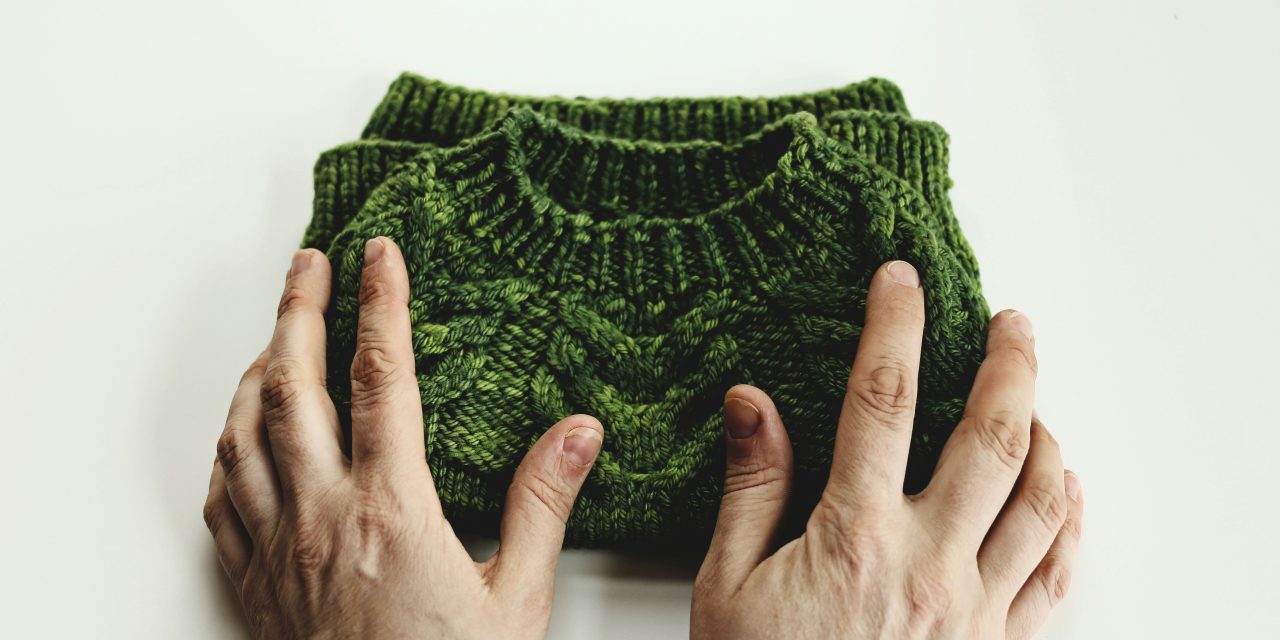
Clothes moths, primarily belonging to the genus Tineola, are notorious for their destructive feeding habits, particularly targeting natural fibers such as wool, silk, and cashmere. These small, nocturnal insects measure approximately 1/2 inch in length and are characterized by their golden or buff-colored wings. The life cycle of a clothes moth consists of four stages: egg, larva, pupa, and adult. The larval stage is particularly damaging, as it is during this phase that the moths consume the keratin found in animal fibers, leading to significant damage to garments and textiles.
Understanding the biology and behavior of clothes moths is crucial for effective management. Female moths can lay up to 300 eggs in their lifetime, which hatch into larvae within a week under optimal conditions. The larvae can live for several months, feeding voraciously on woolen materials. This rapid reproduction cycle makes early detection and intervention essential in preventing extensive damage to valuable clothing items.
Identifying Signs of Moth Infestation in Woolens
Detecting a moth infestation early can save your wool garments from irreversible damage. Common signs include the presence of small holes in fabrics, often appearing as irregularly shaped patches. Additionally, you may notice fine webbing or silk-like threads woven into the fabric, which are indicative of larval activity. Adult moths may also be spotted fluttering around closets or storage areas, particularly during dusk or nighttime.
Another telltale sign is the presence of frass—tiny, dark-colored droppings left behind by feeding larvae. These droppings can often be found in the vicinity of damaged garments or within storage containers. If you observe any of these indicators, it is imperative to take immediate action to mitigate further damage.
Proper Storage Techniques for Sweaters and Wool

Proper storage techniques are vital for preserving wool garments and preventing moth infestations. First and foremost, ensure that all items are clean before storing them away. Moths are attracted to organic residues such as food particles, sweat, and body oils that may remain on clothing. Washing or dry cleaning garments before storage eliminates these attractants.
When storing woolens, opt for breathable cotton or linen bags rather than plastic containers, which can trap moisture and create an ideal environment for mold and mildew. Additionally, avoid overcrowding storage spaces; allowing air circulation helps deter moth activity. It is also advisable to store items in a cool, dry location away from direct sunlight, as heat and humidity can exacerbate moth problems.
The Role of Cleanliness in Moth Prevention

Maintaining a clean environment is paramount in preventing clothes moth infestations. Regularly vacuuming closets and storage areas helps eliminate potential food sources for moths, including dust and lint that may accumulate over time. Pay special attention to corners, baseboards, and under furniture where debris tends to gather.
In addition to vacuuming, consider washing or dry cleaning wool garments at least once a season to remove any potential attractants. Implementing a routine cleaning schedule not only keeps your wardrobe fresh but also significantly reduces the likelihood of moth infestations taking hold.
When it comes to moth repellents, there are both natural and chemical options available. Natural repellents include essential oils such as lavender, cedarwood, and eucalyptus, which have been shown to deter moths effectively. These oils can be used in sachets or diluted with water and sprayed in storage areas to create an unwelcoming environment for pests.
On the other hand, chemical options such as mothballs contain naphthalene or paradichlorobenzene, which are effective at repelling moths but may pose health risks if inhaled or ingested. It is crucial to follow safety guidelines when using chemical repellents and ensure proper ventilation in storage areas. Ultimately, the choice between natural and chemical repellents depends on personal preference and the level of infestation.
Regular Inspection and Maintenance of Wool Garments
Regular inspection of wool garments is essential for early detection of moth activity. Schedule routine checks every few months to assess the condition of your woolens. Look for signs of damage or infestation, such as holes or frass, and take immediate action if any issues are identified.
In addition to visual inspections, consider rotating your wool garments periodically to ensure that they are not left undisturbed for extended periods. This practice not only helps maintain the integrity of the fabric but also allows you to monitor for any signs of moth activity more effectively.
Effective Washing and Drying Practices to Deter Moths
Washing and drying practices play a significant role in deterring moth infestations. When laundering wool garments, always follow care label instructions to avoid damaging the fibers. Use a gentle cycle with cold water and a mild detergent specifically designed for wool.
After washing, it is crucial to dry wool items properly. Avoid using high heat settings in dryers, as this can cause shrinkage and damage to the fabric. Instead, lay garments flat on a clean towel or drying rack away from direct sunlight to maintain their shape and integrity while ensuring they remain free from moisture that could attract moths.
Utilizing Cedar and Other Natural Moth Deterrents
Cedar has long been recognized as an effective natural deterrent against clothes moths due to its aromatic properties that repel these pests. Cedar blocks or chips can be placed in storage areas alongside wool garments to create an inhospitable environment for moths. Regularly sanding cedar blocks helps rejuvenate their scent and effectiveness.
Other natural deterrents include lavender sachets or dried herbs such as rosemary and thyme. These can be placed within storage containers or hung in closets to provide additional protection against moth infestations while imparting a pleasant fragrance to your garments.
Freezing and Heat Treatments to Kill Moth Larvae
Freezing is an effective method for eliminating moth larvae from infested garments without causing damage. Place affected items in a sealed plastic bag and store them in a freezer for at least 72 hours. This process kills larvae at all life stages by exposing them to extreme cold temperatures.
Conversely, heat treatments can also be employed to eradicate moth larvae effectively. Exposing infested items to temperatures above 120°F (49°C) for at least 30 minutes will kill any existing larvae or eggs present in the fabric. This method can be achieved using a clothes dryer on high heat or placing items in a hot car during sunny weather.
Managing and Treating Infestations Promptly
Prompt management of infestations is crucial for minimizing damage to wool garments. If you suspect an infestation, immediately isolate affected items from your wardrobe to prevent further spread. Thoroughly inspect all nearby garments and storage areas for signs of moth activity.
Consider employing a combination of methods for effective treatment—vacuuming infested areas, washing affected garments, and utilizing natural or chemical repellents can help eradicate the problem swiftly. In severe cases, consulting a pest control professional may be necessary for comprehensive treatment options.
Long-Term Strategies for Protecting Your Wool Collection
To ensure the longevity of your wool collection, implement long-term strategies that encompass prevention and maintenance practices. Establish a seasonal cleaning routine that includes washing or dry cleaning garments regularly while inspecting for signs of wear or infestation.
Incorporate natural deterrents such as cedar blocks or essential oil sachets into your storage practices while maintaining cleanliness through regular vacuuming and dusting of storage areas. By adopting these proactive measures, you can significantly reduce the risk of future infestations while preserving the quality of your cherished wool garments.
In summary, understanding clothes moths and their behavior is essential for effective prevention and management strategies. Identifying signs of infestation early allows for prompt action that can save valuable woolen items from damage. Proper storage techniques combined with cleanliness play a pivotal role in deterring these pests. Utilizing natural repellents alongside regular inspections ensures long-term protection against infestations while maintaining the integrity of your wool collection.
FAQs
What are clothes moths and why are they a problem for wool garments?
Clothes moths, specifically the larvae of the webbing clothes moth and the casemaking clothes moth, are pests that feed on natural fibers such as wool, cashmere, and silk. They can cause significant damage to clothing and textiles by creating holes and weakening the fabric, leading to costly replacements and repairs.
How can I identify a clothes moth infestation?
Signs of a clothes moth infestation include finding small holes in your wool garments, seeing webbing or cocoons in your storage areas, and noticing adult moths flying around. Additionally, you may find larvae or shed skins in your closets or drawers, which indicate that moths are present.
What preventive measures can I take to protect my sweaters from moths?
To prevent clothes moths from damaging your sweaters, store them in airtight containers or vacuum-sealed bags, regularly clean your storage areas, and use moth repellents such as cedar blocks or lavender sachets. Additionally, ensure that your garments are clean before storing them, as moths are attracted to food stains and body oils.
How often should I check my wool garments for moth damage?
It is advisable to check your wool garments at least once a season, especially before storing them away for long periods. Regular inspections can help you catch any signs of moth activity early, allowing you to take action before significant damage occurs.
Are there any natural remedies to deter clothes moths?
Yes, natural remedies to deter clothes moths include using essential oils such as lavender, peppermint, or eucalyptus, which can be added to cotton balls or sachets and placed in storage areas. Additionally, keeping your storage spaces clean and well-ventilated can help deter moths from settling in.