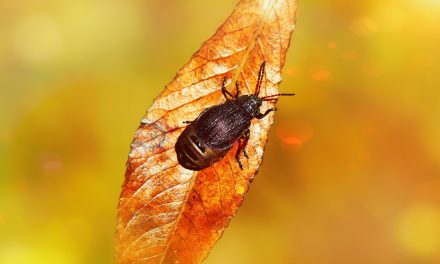
Springtails, scientifically known as Collembola, are small, wingless arthropods that belong to the class Entognatha. These minuscule creatures typically measure between 0.25 to 6 millimeters in length and are characterized by their elongated bodies and distinctive furcula, a tail-like appendage that allows them to leap away from threats. Springtails are often found in damp environments, thriving in soil, leaf litter, and decaying organic matter. Their presence is generally harmless; however, they can become a nuisance when they invade indoor spaces, particularly bathrooms.
These organisms play a crucial role in the ecosystem by aiding in the decomposition of organic materials and contributing to soil health. They feed primarily on fungi, algae, and decaying plant matter, which makes them beneficial for gardens and compost piles. Despite their ecological importance, springtails can proliferate rapidly under favorable conditions, leading to infestations that may cause concern for homeowners. Understanding their biology and behavior is essential for effective management and control.
Identifying Springtails in Your Bathroom
Identifying springtails in your bathroom requires keen observation. These pests are often mistaken for other small insects due to their size and appearance. They typically exhibit a grayish or bluish hue, although some species may appear white or brown. Their bodies are segmented, and they possess a unique ability to jump, which can make them difficult to catch or observe closely. When disturbed, springtails can leap several inches away, a behavior that serves as a defense mechanism against predators.
To confirm their presence, look for clusters of these tiny creatures near moisture sources such as sinks, bathtubs, or toilets. They may also be found in damp areas like shower curtains or behind tiles. A telltale sign of an infestation is the accumulation of springtails in areas with high humidity levels. If you notice small black specks or a sudden increase in tiny jumping insects, it is likely that springtails have made your bathroom their home.
Common Causes of Springtail Infestations
Springtail infestations are often triggered by specific environmental conditions that favor their reproduction and survival. High humidity levels are the primary catalyst for these pests to thrive indoors. Bathrooms, with their frequent exposure to water from showers and sinks, create an ideal habitat for springtails. Additionally, poor ventilation exacerbates moisture retention, further attracting these organisms.
Another common cause of infestations is the presence of organic matter. Springtails feed on decaying plant material and fungi; thus, any accumulation of organic debris in your bathroom can provide a food source for them. This includes mold growth on tiles or grout, damp towels, or even hair clogs in drains. Addressing these underlying issues is crucial for preventing and managing springtail populations effectively.
Inspecting Moisture Sources and Leaks
To combat springtail infestations effectively, it is essential to conduct a thorough inspection of moisture sources within your bathroom. Begin by examining plumbing fixtures for leaks or drips that may contribute to increased humidity levels. Pay close attention to faucets, showerheads, and toilet connections, as even minor leaks can create a conducive environment for springtails.
Additionally, assess the overall ventilation of your bathroom. Insufficient airflow can lead to stagnant moisture accumulation, which is highly attractive to these pests. Consider using a dehumidifier or installing an exhaust fan to improve air circulation and reduce humidity levels. By addressing moisture sources proactively, you can significantly diminish the likelihood of springtail infestations.
Cleaning and Decluttering to Eliminate Habitats
A clean and organized bathroom is vital for preventing springtail infestations. Regular cleaning routines should focus on eliminating potential habitats where these pests may thrive. Start by decluttering surfaces and removing any unnecessary items that may trap moisture or organic debris. This includes old towels, toiletries, or any items that are rarely used.
Deep cleaning is equally important; ensure that you scrub tiles, grout lines, and corners where mold or mildew may accumulate. Use a mixture of vinegar and water or commercial mold removers to eliminate any fungal growth that could serve as food for springtails. By maintaining a clean environment and minimizing clutter, you can significantly reduce the chances of attracting these unwanted guests.
Using Natural Remedies to Repel Springtails
Natural remedies can be effective in repelling springtails without resorting to harsh chemicals. Essential oils such as peppermint, tea tree oil, and eucalyptus have insect-repelling properties that can deter these pests from invading your bathroom. To create a natural repellent spray, mix a few drops of essential oil with water in a spray bottle and apply it to areas where springtails are commonly found.
Another effective natural remedy involves using diatomaceous earth (DE), a fine powder made from fossilized algae that is harmless to humans and pets but lethal to insects with exoskeletons. Sprinkle DE around potential entry points and areas where springtails are observed; it will dehydrate and kill them upon contact. These natural solutions not only help manage springtail populations but also promote a healthier indoor environment.
Applying Chemical Treatments Safely
In cases where natural remedies prove insufficient, chemical treatments may be necessary to control springtail populations effectively. When selecting insecticides, opt for products specifically labeled for use against springtails or general insect control in indoor environments. Always read the manufacturer’s instructions carefully before application to ensure safety and efficacy.
When applying chemical treatments, prioritize safety by wearing protective gear such as gloves and masks to avoid inhalation or skin contact with the chemicals. Ensure proper ventilation during application by opening windows or using fans to disperse any fumes. After treatment, allow sufficient time for the chemicals to dry before re-entering the treated area. Regular monitoring post-application will help determine the effectiveness of the treatment and whether further action is needed.
Improving Bathroom Ventilation and Dryness
Enhancing ventilation is crucial for preventing future springtail infestations in your bathroom. Proper airflow helps reduce humidity levels and discourages the damp conditions that attract these pests. Consider installing an exhaust fan if one is not already present; this will help expel moist air generated during showers or baths.
Additionally, keep windows open whenever possible to promote cross-ventilation. If your bathroom lacks windows, consider using a dehumidifier to maintain optimal humidity levels below 50%. Regularly check vents and fans for dust accumulation that could impede airflow; clean them as needed to ensure maximum efficiency.
Sealing Cracks and Entry Points
Sealing cracks and entry points is an essential step in preventing springtail infestations from occurring in the first place. Inspect your bathroom for gaps around windows, doors, pipes, and baseboards where these pests could enter from outside or adjacent areas. Use caulk or weather stripping to seal any openings effectively.
Additionally, pay attention to areas where plumbing fixtures meet walls or floors; these joints can be potential entry points for moisture-loving pests like springtails. By sealing these vulnerabilities, you create a barrier that makes it more challenging for springtails to invade your living space.
Preventing Future Infestations
Preventing future infestations requires ongoing vigilance and proactive measures. Regularly monitor humidity levels in your bathroom using a hygrometer; aim to keep humidity below 50% to deter springtails effectively. Implement routine cleaning practices that focus on eliminating organic debris and moisture accumulation.
Consider incorporating preventive treatments such as essential oil sprays or diatomaceous earth around potential entry points as part of your regular cleaning routine. Additionally, educate household members about the importance of promptly addressing spills or leaks to maintain a dry environment conducive to pest prevention.
When to Call a Professional Exterminator
If springtail infestations persist despite your best efforts at prevention and control, it may be time to consult a professional exterminator. Pest control experts possess specialized knowledge and tools necessary for effectively managing infestations that exceed typical household measures.
When selecting an exterminator, ensure they are licensed and experienced in dealing with springtail infestations specifically. They will conduct a thorough inspection of your property to identify underlying issues contributing to the infestation before implementing targeted treatment strategies tailored to your situation.
In summary, understanding springtails involves recognizing their biology and behavior while identifying their presence in indoor spaces like bathrooms. Common causes of infestations include high humidity levels and organic debris accumulation; thus, inspecting moisture sources is crucial for effective management. Cleaning routines should focus on decluttering and eliminating habitats while natural remedies offer eco-friendly solutions for repelling these pests. Chemical treatments may be necessary when infestations persist; however, improving ventilation and sealing entry points are vital preventive measures against future occurrences. If all else fails, consulting a professional exterminator can provide tailored solutions for persistent infestations.
FAQs
What are springtails and why are they in my bathroom?
Springtails are tiny, wingless insects that thrive in damp environments. They are often found in bathrooms due to the high humidity and moisture levels, which provide an ideal habitat for them. They feed on decaying organic matter, mold, and fungi, making bathrooms a suitable environment for their survival.
How can I identify a springtail infestation in my bathroom?
Springtails are usually less than 1/8 inch long and can be white, gray, or brown in color. They have a distinctive elongated body and can jump when disturbed. Signs of an infestation include seeing multiple springtails in damp areas, such as around sinks, bathtubs, or toilets, as well as noticing mold or mildew growth.
What are some effective methods to get rid of springtails in the bathroom?
To eliminate springtails, start by reducing moisture levels in your bathroom. Use a dehumidifier, fix leaks, and ensure proper ventilation. You can also clean the area with a mixture of vinegar and water, or use insecticidal soap specifically designed for indoor pests. Additionally, sealing cracks and crevices can help prevent their entry.
Are springtails harmful to humans or pets?
Springtails are generally not harmful to humans or pets. They do not bite or sting and are not known to transmit diseases. However, their presence can indicate underlying moisture issues that may lead to mold growth, which can be harmful to health if left unaddressed.
How can I prevent springtails from returning to my bathroom?
To prevent springtails from returning, maintain low humidity levels by using exhaust fans and dehumidifiers. Regularly clean and dry areas prone to moisture, such as sinks and bathtubs. Additionally, ensure that any leaks are promptly repaired and that your bathroom is well-ventilated to discourage their reappearance.