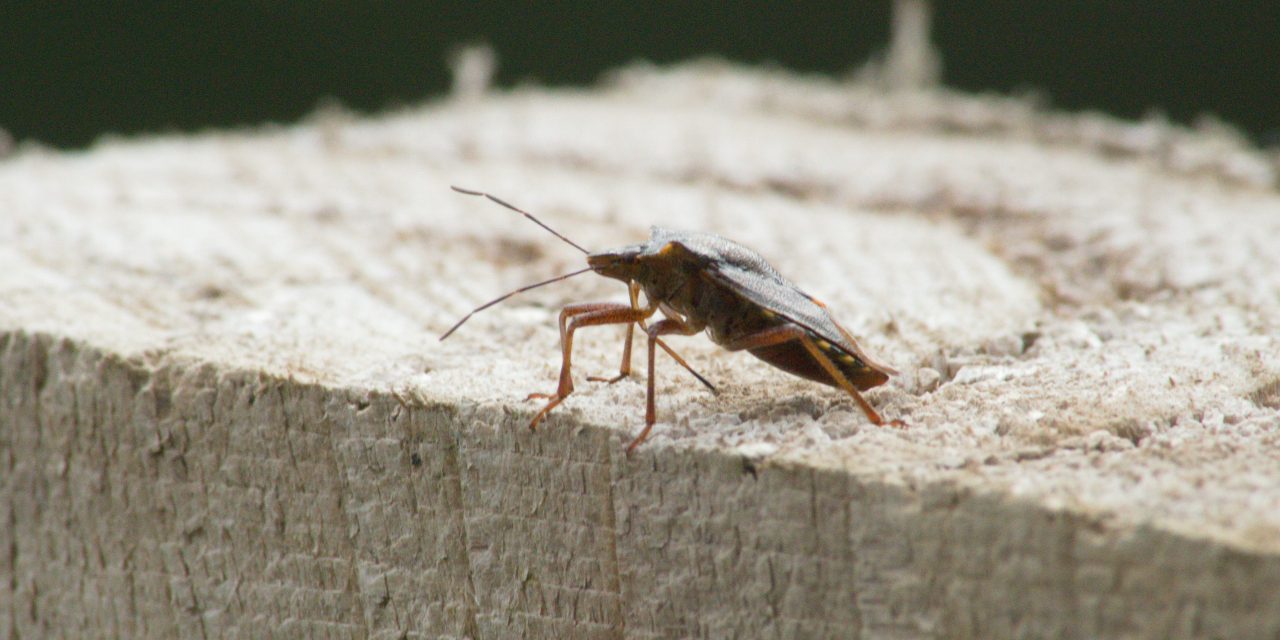
Earwigs, scientifically known as Dermaptera, are a diverse order of insects characterized by their elongated bodies and distinctive pincers, or cerci, located at the rear. These nocturnal creatures typically measure between 5 to 25 millimeters in length and exhibit a brown to black coloration. While they are often misunderstood and feared due to their appearance, earwigs are generally harmless to humans and pets. They primarily feed on decaying organic matter, making them beneficial for soil health in gardens. However, their presence can become problematic when they invade homes and gardens in search of food and shelter.
Earwigs are commonly found in temperate regions around the world, thriving in moist environments. They are particularly active during warm months, with peak populations occurring in late summer and early fall. Despite their reputation, earwigs do not crawl into human ears or cause any significant harm. Their pincers are primarily used for defense and mating rituals rather than aggression towards larger animals. Understanding the biology and behavior of earwigs is crucial for effective management and prevention strategies.
Common Signs of Earwig Infestation
Identifying an earwig infestation can be straightforward if one knows what to look for. Common signs include the presence of live or dead earwigs in living spaces, particularly in dark, damp areas such as basements, bathrooms, and kitchens. Homeowners may also notice small, irregular holes in leaves of plants or vegetables, indicating that earwigs are feeding on them. Additionally, earwig droppings, which resemble small black pellets, can often be found near infested areas.
Another indicator of an infestation is the discovery of earwig eggs, which are typically laid in moist soil or organic debris. These eggs are small, white, and oval-shaped, making them difficult to spot without close inspection. If you observe these signs, it is essential to take immediate action to prevent further infestation and damage to your home or garden.
What Attracts Earwigs to Your Home?

Earwigs are drawn to environments that provide food, moisture, and shelter. They thrive in areas with abundant organic matter, such as compost piles, mulch beds, and decaying plant material. Homes with poorly maintained gardens or landscaping can inadvertently attract these pests. Additionally, earwigs are often lured indoors by the availability of food sources like crumbs or spills left on countertops and floors.
Moisture is another significant factor that attracts earwigs. They prefer humid conditions and are often found in areas with high humidity levels. Leaky pipes, standing water, or excessive moisture in basements can create an inviting environment for these insects. Understanding these attractants is vital for homeowners seeking to minimize the risk of an earwig invasion.
The Role of Moisture in Earwig Attraction

Moisture plays a pivotal role in the life cycle and behavior of earwigs. These insects require a humid environment to thrive and reproduce effectively. High moisture levels not only provide a suitable habitat but also facilitate their feeding habits on decaying organic matter. Consequently, homes with damp basements, poorly ventilated bathrooms, or excessive watering in gardens become prime targets for earwig infestations.
To mitigate moisture-related issues, homeowners should regularly inspect plumbing for leaks and ensure proper drainage around the foundation of their homes. Utilizing dehumidifiers in damp areas can significantly reduce humidity levels, making the environment less conducive for earwigs. By addressing moisture problems proactively, homeowners can deter these pests from taking up residence indoors.
How Outdoor Landscaping Influences Earwig Presence
The design and maintenance of outdoor landscaping can significantly influence earwig populations around a home. Dense vegetation, overgrown shrubs, and excessive mulch can create ideal habitats for earwigs to thrive. These insects often seek refuge in dark, moist areas during the day and emerge at night to forage for food. Therefore, maintaining a well-trimmed garden with adequate spacing between plants can help reduce earwig populations.
Additionally, homeowners should avoid using excessive mulch or organic debris near the foundation of their homes. Instead, opting for gravel or stone landscaping can deter earwigs from establishing themselves close to structures. Regularly cleaning up fallen leaves and debris from gardens will also minimize potential nesting sites for these pests.
Entry Points: How Earwigs Get Inside Your Home
Earwigs are adept at finding entry points into homes through various means. They can easily slip through small cracks and crevices around windows, doors, and foundations. Gaps in screens or poorly sealed entryways provide additional opportunities for these pests to invade living spaces. Furthermore, earwigs may hitch a ride indoors on potted plants or garden materials brought inside.
To prevent earwigs from entering your home, it is essential to conduct regular inspections of potential entry points. Sealing gaps with caulk or weather stripping can effectively block their access. Installing tight-fitting screens on windows and doors will also help keep these pests at bay while allowing fresh air into your home.
Natural Repellents to Deter Earwigs
For those seeking eco-friendly solutions to deter earwigs from their homes and gardens, several natural repellents can be effective. Essential oils such as peppermint oil, tea tree oil, and eucalyptus oil have been shown to repel various insects, including earwigs. Mixing a few drops of these oils with water in a spray bottle can create a natural deterrent that can be applied around entry points and infested areas.
Diatomaceous earth is another natural option that can be sprinkled around the perimeter of your home or garden beds. This fine powder is made from fossilized algae and works by dehydrating insects upon contact. It is safe for humans and pets but lethal to soft-bodied pests like earwigs. Regularly applying these natural repellents can help maintain a pest-free environment without resorting to harsh chemicals.
Effective Home Maintenance Tips to Prevent Earwigs
Preventing an earwig infestation requires proactive home maintenance strategies that address both indoor and outdoor environments. Regularly cleaning your home by vacuuming floors and wiping down surfaces will eliminate potential food sources that attract these pests. Additionally, promptly addressing spills or crumbs will further reduce their appeal.
Outside the home, maintaining proper landscaping practices is crucial. Trimming back overgrown plants and removing excess mulch will minimize hiding spots for earwigs. Furthermore, ensuring proper drainage around your property will help reduce moisture levels that attract these insects. By implementing these maintenance tips consistently, homeowners can significantly decrease the likelihood of an earwig invasion.
Using Chemical Treatments Safely Against Earwigs
In cases where natural methods prove insufficient for controlling earwig populations, chemical treatments may be necessary. Several insecticides specifically formulated for earwig control are available on the market. When selecting a product, it is essential to choose one labeled for use against earwigs and follow the manufacturer’s instructions carefully.
Common active ingredients found in chemical treatments include pyrethroids and carbamates, which target the nervous system of insects upon contact or ingestion. It is crucial to apply these treatments safely by wearing protective gear such as gloves and masks during application. Additionally, homeowners should ensure that pets and children are kept away from treated areas until it is safe to return.
When to Call a Professional Exterminator
If an earwig infestation persists despite your best efforts at prevention and control, it may be time to consult a professional exterminator. Pest control experts possess specialized knowledge and tools that can effectively address severe infestations while ensuring safety for your family and pets. They can conduct thorough inspections to identify nesting sites and entry points that may have been overlooked.
Professional exterminators also have access to more potent treatments that may not be available to the general public. They can develop customized pest management plans tailored to your specific situation, ensuring long-term control of earwig populations in your home.
Long-Term Strategies for Earwig Control and Prevention
Implementing long-term strategies for earwig control involves a combination of preventive measures and ongoing monitoring of your home environment. Regularly inspecting both indoor and outdoor spaces for signs of infestation will allow you to address potential issues before they escalate into larger problems.
Incorporating integrated pest management (IPM) practices can also enhance your efforts in controlling earwig populations sustainably. This approach combines biological control methods with cultural practices such as proper sanitation and habitat modification to create an unfavorable environment for pests while minimizing chemical use.
By fostering a proactive mindset towards pest management and maintaining consistent preventive measures throughout the year, homeowners can significantly reduce the risk of future earwig infestations.
In summary, understanding earwigs involves recognizing their biology and behavior while identifying signs of infestation early on is crucial for effective management. Moisture plays a significant role in attracting these pests; thus, addressing humidity issues is vital for prevention. Homeowners should focus on maintaining outdoor landscaping while sealing entry points to deter earwigs from entering their homes. Natural repellents offer eco-friendly solutions alongside chemical treatments when necessary; however, consulting professionals may be required for severe infestations. Long-term strategies involving integrated pest management will ensure ongoing control and prevention against future invasions by these misunderstood insects.
FAQs
What are earwigs and why are they attracted to homes?
Earwigs are small, nocturnal insects known for their distinctive pincers. They are attracted to homes primarily due to the availability of moisture, food sources, and shelter. They thrive in damp environments and are often found in gardens, mulch, or leaf litter, which can lead them indoors in search of better conditions.
What conditions in my home can attract earwigs?
Earwigs are drawn to homes that have high humidity levels, such as basements, bathrooms, and kitchens. They are also attracted to cluttered areas where they can hide, such as piles of laundry, cardboard boxes, or under sinks. Additionally, food sources like decaying organic matter or crumbs can entice them indoors.
How can I prevent earwigs from entering my home?
To prevent earwigs from entering your home, seal any cracks and crevices around windows, doors, and foundations. Ensure that screens are intact and use weather stripping to close gaps. Reducing moisture levels by fixing leaks and using dehumidifiers can also help, along with keeping the yard tidy and removing debris that may harbor earwigs.
Are earwigs harmful to humans or pets?
Earwigs are generally not harmful to humans or pets. They do not bite or sting, and while they may pinch if handled, their pincers are not dangerous. However, they can damage plants and gardens, making them a nuisance for gardeners.
What should I do if I find earwigs in my home?
If you find earwigs in your home, you can remove them manually using a vacuum or by trapping them with a mixture of water and soap. It’s important to address the underlying issues that attracted them, such as moisture and clutter, to prevent future infestations. If the problem persists, consider consulting a pest control professional for assistance.