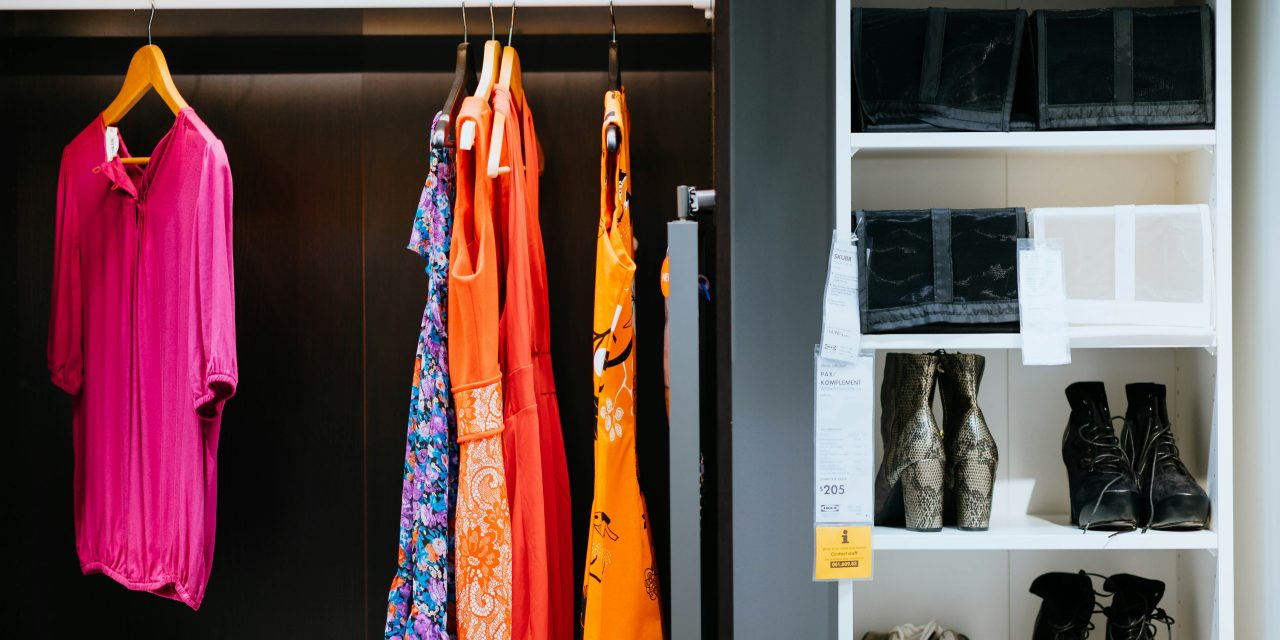
Before embarking on the journey of closet organization, it is imperative to conduct a thorough assessment of your available space and specific needs. Begin by measuring the dimensions of your closet, including height, width, and depth. This will provide a clear understanding of the area you have to work with and help you visualize potential storage solutions. Take note of any existing shelving, rods, or compartments that may influence your organizational strategy.
Next, evaluate the types of items you intend to store. Are you primarily housing clothing, shoes, accessories, or a combination of these? Categorizing your belongings will not only streamline the organization process but also ensure that you allocate appropriate space for each category. Consider the frequency of use for each item; everyday essentials should be easily accessible, while seasonal or infrequently used items can be stored in less accessible areas. This initial assessment lays the groundwork for a well-organized closet that meets your unique requirements.
Use Freestanding Shelving Units
Freestanding shelving units are an excellent solution for maximizing vertical space in your closet. These versatile structures can be placed against walls or in corners, providing additional storage without the need for permanent installation. Available in various materials such as wood, metal, or plastic, freestanding shelves can accommodate a wide range of items from folded clothing to shoes and accessories.
When selecting a shelving unit, consider the weight capacity and adjustability of the shelves. Adjustable shelves allow for customization based on the size of your items, ensuring that every inch of space is utilized effectively. Additionally, incorporating decorative baskets or bins on these shelves can enhance the aesthetic appeal while keeping smaller items organized and contained. By strategically placing freestanding shelving units, you can create an organized and visually pleasing closet environment.
Incorporate Hanging Organizers

Hanging organizers are a practical addition to any closet, offering a space-efficient solution for storing smaller items. These organizers typically feature multiple compartments and can be hung from existing rods or hooks. They are ideal for storing accessories such as scarves, belts, and ties, as well as smaller clothing items like socks and undergarments.
When choosing hanging organizers, opt for those made from durable materials that can withstand daily use. Consider organizers with clear pockets for easy visibility of contents, allowing you to quickly locate what you need without rummaging through piles. Additionally, hanging organizers can be used vertically to maximize space; this is particularly beneficial in smaller closets where floor space is limited. By incorporating these organizers into your closet system, you can maintain order and accessibility.
Utilize Storage Bins and Baskets

Storage bins and baskets are essential tools for effective closet organization. They provide a neat and tidy way to store items while preventing clutter from accumulating. Available in various sizes, shapes, and materials, these containers can be tailored to fit your specific storage needs. For instance, larger bins can house seasonal clothing or extra bedding, while smaller baskets are perfect for accessories or miscellaneous items.
When selecting storage bins and baskets, consider labeling them for easy identification. This practice not only enhances organization but also saves time when searching for specific items. Opt for stackable bins to maximize vertical space; this allows you to utilize every inch of your closet efficiently. Additionally, choose aesthetically pleasing designs that complement your closet decor, creating a cohesive look that makes organizing enjoyable.
Install Tension Rods for Extra Hanging Space
Tension rods are an innovative solution for creating additional hanging space within your closet. These adjustable rods can be installed between two walls or within existing shelving units to provide extra room for hanging garments. They are particularly useful for organizing accessories such as scarves or ties, which can be hung neatly without taking up valuable shelf space.
To install tension rods effectively, measure the area where you plan to place them and ensure they fit securely without slipping. Consider using multiple rods at varying heights to accommodate different types of items; for example, a lower rod can be used for shorter garments while a higher rod can hold longer dresses or coats. By incorporating tension rods into your closet design, you can significantly enhance functionality while maintaining an organized appearance.
Add Over-the-Door Organizers
Over-the-door organizers are a fantastic way to utilize often-overlooked space in your closet. These organizers typically feature pockets or shelves that hang over the top of the door, providing additional storage without requiring any permanent installation. They are ideal for storing shoes, accessories, or even cleaning supplies, making them a versatile addition to any closet.
When selecting an over-the-door organizer, consider the weight capacity and material durability to ensure it can handle the items you plan to store. Clear pockets allow for easy visibility of contents while keeping everything neatly contained. Additionally, these organizers can be easily removed or relocated if needed, providing flexibility in your closet organization strategy. By incorporating over-the-door organizers, you can maximize storage potential while keeping your closet tidy.
Use Drawer Units or Stackable Cubes
Drawer units and stackable cubes are excellent options for creating organized compartments within your closet. Drawer units provide enclosed storage that keeps items out of sight while maintaining accessibility. They are perfect for storing clothing items such as undergarments or accessories that benefit from being kept neatly tucked away.
Stackable cubes offer versatility in design and functionality; they can be arranged in various configurations to suit your space and needs. These cubes can be used to store shoes, folded clothing, or even as display units for decorative items. When selecting drawer units or stackable cubes, consider materials that complement your existing decor while ensuring durability and ease of use. By incorporating these elements into your closet organization plan, you can create a streamlined and efficient storage system.
Implement Hooks and Pegboards for Accessories
Hooks and pegboards are invaluable tools for organizing accessories within your closet. Hooks can be mounted on walls or inside doors to provide convenient hanging options for items such as bags, hats, or jewelry. This not only keeps these items easily accessible but also prevents them from becoming tangled or damaged.
Pegboards offer a customizable solution for organizing various accessories; they allow you to arrange hooks and shelves according to your specific needs. This flexibility enables you to create a personalized storage system that adapts as your accessory collection grows or changes over time. When implementing hooks and pegboards, consider grouping similar items together for easy access and visual appeal. By utilizing these organizational tools effectively, you can maintain an orderly closet while showcasing your favorite accessories.
Label Everything for Easy Access
Labeling is a crucial aspect of maintaining an organized closet environment. By clearly marking storage bins, baskets, and shelves with labels indicating their contents, you enhance accessibility and streamline the process of locating specific items. This practice not only saves time but also reduces frustration when searching for particular clothing or accessories.
When creating labels, consider using a consistent format that is easy to read and understand. You may opt for printed labels or handwritten tags depending on your preference. Additionally, color-coding labels based on categories (e.g., seasonal clothing versus everyday wear) can further enhance organization and visual clarity within your closet system. By implementing a labeling strategy, you empower yourself to maintain order effortlessly.
Rotate Seasonal Items Regularly
Regularly rotating seasonal items is essential for maintaining an organized closet throughout the year. As seasons change, so do clothing needs; therefore, it is important to assess which items are currently relevant and which can be stored away until their next season arrives. This practice not only frees up valuable space but also ensures that your wardrobe remains functional and relevant.
To effectively rotate seasonal items, designate specific bins or areas within your closet for off-season clothing. When transitioning between seasons, take the time to evaluate each item’s condition and relevance; this is an excellent opportunity to declutter by donating or discarding pieces that no longer serve you. By establishing a routine for seasonal rotation, you can keep your closet organized while ensuring that it meets your current wardrobe needs.
Maintain Your Organized Closet with Routine Tidying
Maintaining an organized closet requires ongoing effort and routine tidying practices. Set aside time each month to reassess your closet’s organization; this allows you to identify any areas that may need attention or adjustment. Regular tidying helps prevent clutter from accumulating and ensures that everything remains in its designated place.
Incorporate simple habits into your daily routine to support ongoing organization efforts; for example, always return items to their designated spots after use or conduct quick decluttering sessions when new items are added to your wardrobe. Additionally, consider implementing a “one-in-one-out” policy where you donate or discard one item whenever you acquire something new; this practice helps maintain balance within your closet while promoting mindful consumption habits.
In summary, organizing your closet involves a comprehensive approach that begins with assessing space and needs before implementing various storage solutions such as shelving units, hanging organizers, bins, and hooks. Regular maintenance through labeling and seasonal rotation ensures long-term functionality and accessibility within your wardrobe system. By adopting these strategies, you can create an organized closet that enhances both efficiency and aesthetic appeal in your daily life.
FAQs
What are some effective storage solutions for a closet without built-in shelves?
Effective storage solutions for a closet without built-in shelves include using freestanding shelving units, stackable bins, hanging organizers, and over-the-door racks. These options maximize vertical space and can be customized to fit your specific needs.
How can I maximize vertical space in my closet?
To maximize vertical space in your closet, consider installing wall-mounted shelves or using tall storage units that reach the ceiling. Additionally, using hooks or pegboards can help utilize wall space for accessories and bags, while stacking bins can create additional layers of storage.
What types of containers are best for organizing a closet?
Clear plastic bins, fabric storage boxes, and wicker baskets are excellent choices for organizing a closet. Clear bins allow you to see contents easily, while fabric boxes can add a decorative touch. Wicker baskets are great for storing items that you want to keep accessible but out of sight.
How can I keep my closet organized over time?
To maintain organization in your closet, regularly declutter by removing items you no longer use or need. Implement a system for returning items to their designated spots after use, and consider seasonal rotations for clothing. Setting aside time every few months to reassess your organization can also help keep things tidy.
What are some tips for organizing shoes in a closet without shelves?
For organizing shoes in a closet without shelves, consider using shoe racks, hanging shoe organizers, or clear shoe boxes. You can also utilize the floor space by stacking shoe bins or using tiered shoe stands. Additionally, over-the-door shoe organizers can effectively use vertical space while keeping shoes visible and accessible.