Before embarking on the journey of organizing your closet, it is imperative to conduct a thorough assessment of the available space and your specific needs. Begin by measuring the dimensions of your closet, including height, width, and depth. This will provide a clear understanding of how much room you have to work with and help you visualize potential storage solutions. Consider the types of clothing and accessories you own, as well as how frequently you use them. For instance, seasonal items may require different storage solutions compared to everyday wear.
Additionally, take stock of your lifestyle and wardrobe requirements. Are you a professional who needs business attire readily accessible? Or perhaps you are a fashion enthusiast with a diverse collection of garments? Understanding your unique needs will guide your organizational strategy. Create a list of must-haves and nice-to-haves, which will help prioritize what should be easily accessible versus what can be stored away. This foundational step sets the stage for a successful closet organization project.
Declutter Before You Organize
Decluttering is a crucial step that cannot be overlooked when organizing any space, especially a closet. Begin by removing all items from your closet and sorting them into categories: keep, donate, sell, or discard. This process not only clears out unnecessary clutter but also allows you to evaluate each item’s value in your wardrobe. A good rule of thumb is to ask yourself if you have worn an item in the past year; if not, it may be time to let it go.
Once you have sorted through your belongings, consider the emotional attachment that often accompanies clothing items. While it can be difficult to part with certain pieces, remember that a streamlined wardrobe can lead to easier decision-making and a more enjoyable dressing experience. After decluttering, you will have a clearer vision of what remains and how best to organize those items effectively.
Use Affordable Storage Bins and Baskets

Incorporating affordable storage bins and baskets into your closet organization strategy can significantly enhance functionality while maintaining an aesthetically pleasing environment. Opt for bins that fit neatly on shelves or under hanging clothes, allowing for efficient use of space. Clear plastic bins are particularly advantageous as they enable visibility of contents without the need to open each container.
Baskets can serve multiple purposes, from storing accessories like scarves and belts to housing seasonal clothing items. Choose materials that complement your closet’s design, such as woven baskets for a rustic feel or sleek fabric bins for a modern touch. By utilizing these storage solutions, you can create designated areas for various categories of items, making it easier to locate what you need when you need it.
Maximize Vertical Space with Shelves

Vertical space is often underutilized in closets, yet it presents an excellent opportunity for maximizing storage capacity. Installing shelves at varying heights allows for the accommodation of different types of items, from folded sweaters to stacked shoes. Consider adjustable shelving systems that can be modified as your storage needs change over time.
When planning your shelving layout, think about accessibility and visibility. Place frequently used items at eye level while reserving higher shelves for less commonly accessed belongings. This strategic arrangement not only optimizes space but also enhances the overall functionality of your closet. Additionally, decorative shelving can add an element of style while serving as practical storage solutions.
Install DIY Hanging Rods for Extra Clothing
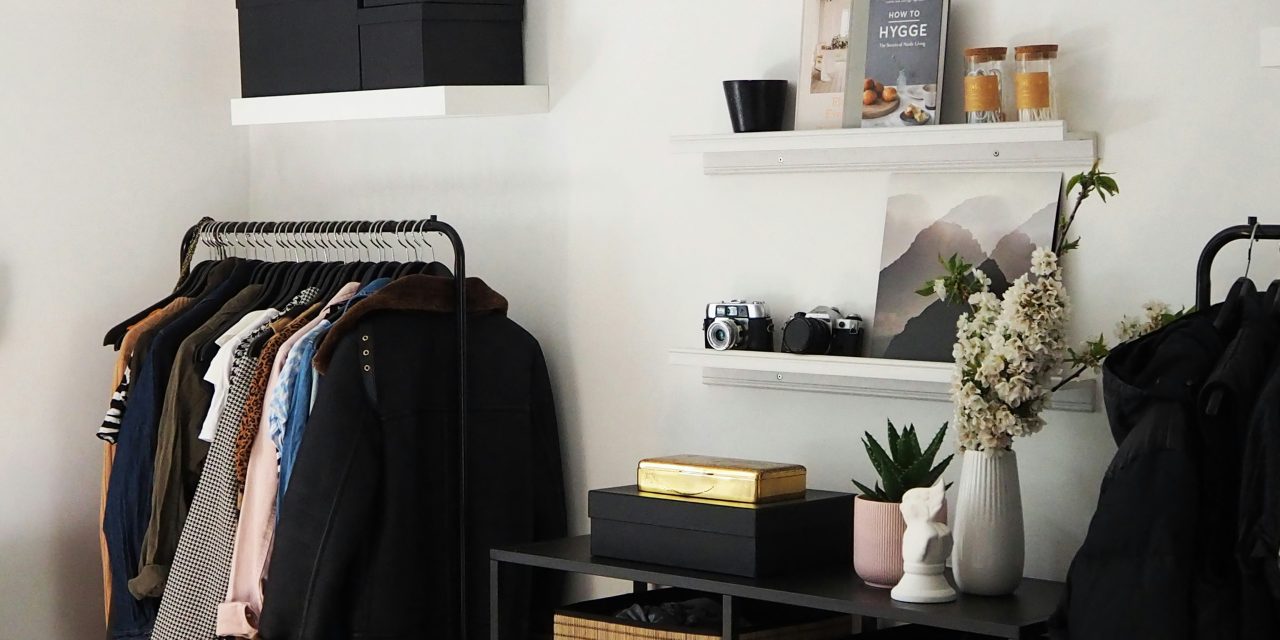
If your closet lacks sufficient hanging space, consider installing DIY hanging rods to accommodate additional clothing items. This project can be accomplished with minimal tools and materials, making it an accessible option for many homeowners. Use sturdy brackets and a metal or wooden rod to create a custom hanging solution tailored to your specific needs.
Positioning these rods at varying heights can allow for the organization of different types of garments, such as long dresses on one rod and shorter tops on another. This not only maximizes space but also creates a visually appealing display of your wardrobe. Furthermore, incorporating additional hanging rods can facilitate better airflow around clothing, reducing wrinkles and maintaining garment quality.
Repurpose Household Items for Storage
Repurposing household items is an innovative way to enhance closet organization while minimizing expenses. Consider using old shoeboxes to store accessories or small items; simply cover them with decorative paper for a cohesive look. Similarly, mason jars can serve as stylish containers for jewelry or small trinkets, keeping them organized and easily accessible.
Another creative solution is utilizing an over-the-door shoe organizer for storing various items beyond footwear. These organizers can accommodate accessories like ties, belts, or even cleaning supplies, making them versatile additions to any closet space. By thinking outside the box and repurposing items you already own, you can create functional storage solutions without incurring additional costs.
Label Everything for Easy Access
Labeling is an essential component of effective organization that enhances accessibility and efficiency within your closet. By clearly marking bins, baskets, and shelves with labels indicating their contents, you eliminate the guesswork involved in locating specific items. This practice not only saves time but also encourages consistent organization habits.
When creating labels, consider using a label maker or printable labels for a polished appearance. Alternatively, handwritten labels can add a personal touch while still conveying necessary information. Be sure to use clear and concise language that accurately describes the contents of each container or section. This attention to detail will streamline your daily routine and maintain order within your closet.
Utilize Drawer Organizers for Small Items
Drawer organizers are invaluable tools for managing small items within your closet effectively. These dividers create designated spaces for accessories such as socks, underwear, and jewelry, preventing clutter from accumulating in drawers. By keeping similar items grouped together, you can easily locate what you need without rummaging through disorganized piles.
When selecting drawer organizers, consider adjustable options that can be customized to fit your specific drawer dimensions. This flexibility allows you to maximize space while accommodating various item sizes. Additionally, incorporating clear organizers can enhance visibility and make it easier to identify contents at a glance.
Incorporate Hooks and Racks for Accessories
Hooks and racks are versatile storage solutions that can significantly enhance closet organization by providing dedicated spaces for accessories such as bags, hats, and scarves. Installing hooks on the inside of closet doors or on walls allows for easy access while keeping these items off the floor or out of drawers.
Consider using decorative hooks that complement your closet’s aesthetic while serving a functional purpose. Wall-mounted racks can also be employed to display handbags or hats in an organized manner. By incorporating these elements into your closet design, you create an efficient system that promotes easy access to frequently used accessories.
Optimize Shoe Storage on a Budget
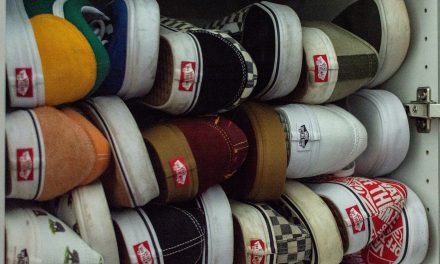
Shoe storage can often become a challenge in closets due to limited space and varying shoe sizes. However, there are numerous budget-friendly solutions available that can help optimize shoe organization without breaking the bank. Consider using shoe racks that fit neatly against walls or under hanging clothes to maximize vertical space.
Another effective method is utilizing clear plastic shoe boxes that allow for visibility while protecting shoes from dust and damage. Labeling each box with the shoe type or occasion can further streamline access when selecting footwear for different outfits. By implementing these strategies, you can maintain an organized shoe collection that remains easily accessible.
Maintain Your Organized Closet Regularly
Once you have successfully organized your closet, it is essential to establish a maintenance routine to ensure it remains orderly over time. Schedule regular check-ins—perhaps every season—to reassess your wardrobe and remove any items that are no longer needed or worn. This proactive approach prevents clutter from accumulating again and keeps your closet functioning optimally.
Additionally, develop habits that promote ongoing organization, such as returning items to their designated spots after use and avoiding impulse purchases that could disrupt your carefully curated collection. By committing to regular maintenance and mindful shopping practices, you can enjoy a well-organized closet that meets your needs for years to come.
In summary, organizing your closet requires careful assessment of space and needs followed by decluttering and implementing effective storage solutions such as bins, shelves, and hooks. By utilizing affordable options and maintaining organization through labeling and regular upkeep, you can create a functional and aesthetically pleasing environment tailored to your lifestyle requirements.
FAQs
What are some budget-friendly storage solutions for a walk-in closet?
Some budget-friendly storage solutions include using clear plastic bins for visibility, repurposing old furniture like dressers or shelves, and utilizing hanging organizers for shoes and accessories. Additionally, you can find affordable shelving units at discount stores or online marketplaces.
How can I maximize space in my walk-in closet without spending much?
To maximize space, consider using vertical space by installing shelves or hooks high up. You can also use cascading hangers to save hanging space for clothes. Implementing a double-rod system can help you store more items in the same area. Lastly, decluttering regularly will free up space and keep your closet organized.
Are there DIY options for organizing a walk-in closet?
Yes, there are many DIY options for organizing a walk-in closet. You can create your own shelving using wood planks and brackets, build a shoe rack from crates, or make fabric bins for smaller items. Upcycling items you already own can also be a cost-effective way to enhance your closet organization.
What items should I prioritize when organizing my walk-in closet?
Prioritize items that you use frequently, such as everyday clothing and shoes. Seasonal items can be stored higher up or in bins. Accessories like belts and scarves should be easily accessible, while less frequently used items can be stored in the back or on higher shelves.
How can I maintain an organized walk-in closet on a budget?
To maintain an organized walk-in closet, establish a regular cleaning schedule to declutter and reorganize as needed. Use inexpensive labels to categorize bins and shelves, and make it a habit to return items to their designated spots after use. Regularly assess your wardrobe to donate or discard items you no longer wear.