Yellow jackets, belonging to the genus Vespula, are a type of social wasp known for their distinctive black and yellow coloration. These insects are often mistaken for bees due to their similar appearance; however, they are more aggressive and are notorious for their painful stings. Yellow jackets play a crucial role in the ecosystem as both pollinators and predators of pest insects. Their colonies can range from a few hundred to several thousand individuals, depending on the species and environmental conditions.
The life cycle of yellow jackets begins in the spring when fertilized queens emerge from hibernation to establish new nests. These nests can be found in various locations, including underground burrows, tree hollows, or even within human structures. As the season progresses, the queen lays eggs that develop into workers, who then take over foraging and nest maintenance duties. By late summer and early fall, colonies reach their peak population, leading to increased human encounters as yellow jackets search for food sources.
The Role of Food Sources in Attracting Yellow Jackets
Food availability is a significant factor influencing yellow jacket behavior and presence in residential areas. These wasps are opportunistic feeders, scavenging for protein-rich foods during the summer months to support their growing colonies. Common food sources include insects, meats, and sugary substances. As yellow jackets forage for sustenance, they often invade outdoor gatherings, picnics, and barbecues, creating a nuisance for humans.
In addition to protein sources, yellow jackets are particularly attracted to sweet foods and beverages. This attraction is heightened during late summer and early fall when natural food sources become scarce. Homeowners should be aware that leaving food uncovered or improperly disposed of can lead to increased yellow jacket activity in their vicinity. Understanding these dietary preferences is essential for implementing effective management strategies.
How Sweet Scents and Sugary Drinks Lure Yellow Jackets

The olfactory senses of yellow jackets are finely tuned to detect sweet scents from considerable distances. Sugary drinks, such as sodas and fruit juices, emit aromas that can attract these wasps from afar. When outdoor dining occurs, the presence of open containers or spilled beverages can create an inviting environment for yellow jackets seeking a sugar fix.
To mitigate the risk of attracting yellow jackets, it is advisable to cover sugary drinks with lids or use sealed containers when dining outdoors. Additionally, promptly cleaning up spills and disposing of empty cans or bottles can significantly reduce the likelihood of attracting these pests. Awareness of their attraction to sweet scents can help individuals enjoy outdoor activities without the unwelcome presence of yellow jackets.
The Impact of Garbage and Compost Piles on Yellow Jacket Presence

Improper waste management can significantly contribute to yellow jacket infestations in residential areas. Garbage cans that are not securely closed or compost piles that are not adequately maintained can serve as prime feeding grounds for these wasps. The organic matter in compost piles emits odors that attract yellow jackets searching for protein-rich food sources.
To minimize yellow jacket activity around garbage and compost areas, homeowners should ensure that trash bins have tight-fitting lids and are regularly emptied. Compost piles should be managed carefully by turning them frequently and covering them with a layer of soil or mulch to reduce odors. Implementing these practices can help deter yellow jackets from establishing nests nearby.
Yellow Jackets and Their Preference for Certain Plants and Flowers
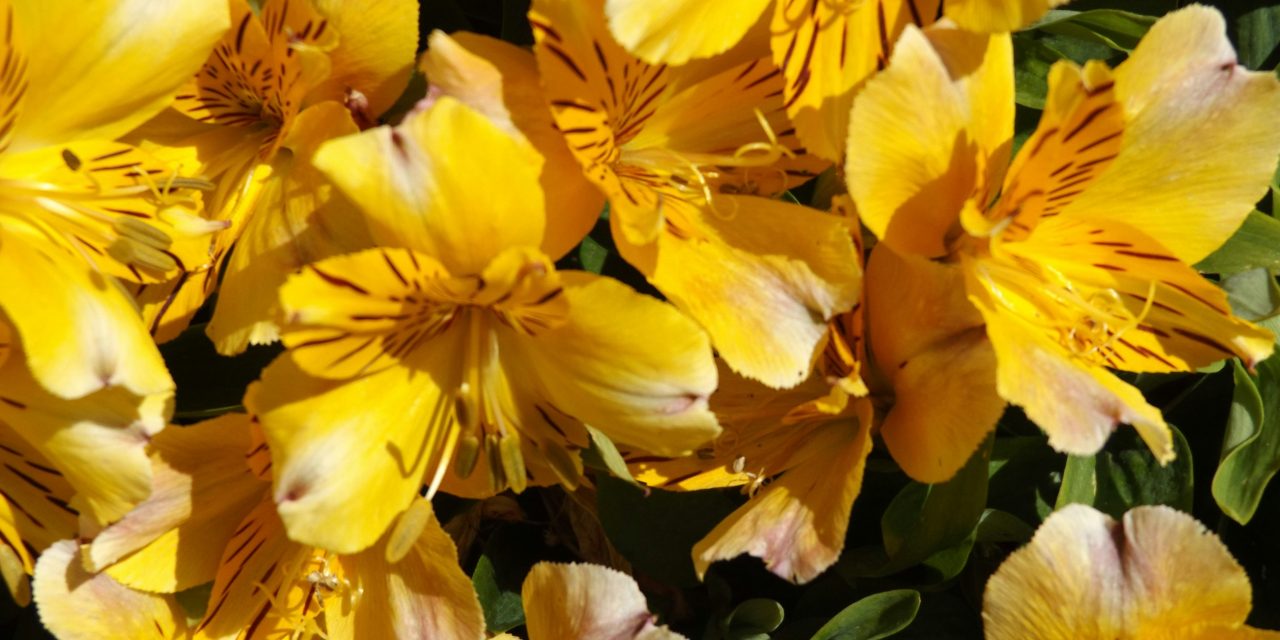
Certain plants and flowers can attract yellow jackets due to their nectar-rich offerings. Species such as asters, goldenrods, and clover are particularly appealing to these wasps during late summer when other food sources become scarce. While yellow jackets contribute to pollination, their presence can be problematic for gardeners and outdoor enthusiasts.
To reduce the likelihood of attracting yellow jackets through landscaping choices, homeowners may consider planting less appealing species or utilizing plants that repel wasps. Additionally, maintaining a well-groomed garden can help minimize the presence of flowering plants that attract these insects. Understanding the relationship between flora and yellow jacket behavior is essential for effective yard management.
The Influence of Outdoor Dining Areas on Yellow Jacket Activity
Outdoor dining areas present an ideal environment for yellow jackets due to the abundance of food sources and sweet scents. Picnics, barbecues, and patio dining often attract these wasps seeking easy meals. The combination of exposed food and sugary beverages creates a perfect storm for increased yellow jacket activity.
To mitigate this issue, individuals should take proactive measures when dining outdoors. Utilizing screens or netting around dining areas can create a physical barrier against yellow jackets. Additionally, keeping food covered until serving and promptly cleaning up after meals can significantly reduce the likelihood of attracting these pests. Awareness of outdoor dining practices is crucial for enjoying meals without unwanted insect encounters.
Why Standing Water and Moisture Attract Yellow Jackets
Standing water and moisture-rich environments are attractive to yellow jackets for several reasons. Water is essential for their survival, especially during hot summer months when dehydration can occur. Additionally, moist areas often harbor insects that serve as food sources for yellow jackets.
Homeowners should be vigilant about eliminating standing water around their properties by regularly checking gutters, bird baths, and plant saucers. Ensuring proper drainage in yards can also help reduce moisture levels that attract these wasps. By addressing water sources, individuals can create an environment less conducive to yellow jacket activity.
The Importance of Nesting Sites in Your Yard
Nesting sites play a critical role in the establishment of yellow jacket colonies. These wasps prefer sheltered locations such as underground burrows, tree cavities, or even attics and wall voids in human structures. The presence of suitable nesting sites in residential areas can lead to increased populations of yellow jackets.
To prevent nesting on your property, it is essential to regularly inspect potential nesting sites and take action if necessary. Filling in holes or crevices in the ground and sealing entry points in buildings can deter queens from establishing nests. Understanding the nesting habits of yellow jackets is vital for effective pest management strategies.
Seasonal Behaviors: When Yellow Jackets Are Most Active
Yellow jackets exhibit seasonal behaviors that influence their activity levels throughout the year. Typically, these wasps become most active during late summer and early fall when colonies reach their peak population. During this time, they are more aggressive in their search for food sources, leading to increased encounters with humans.
In contrast, yellow jackets are less active during the colder months when temperatures drop significantly. Queens hibernate during winter while worker wasps die off after the first frost. Understanding these seasonal patterns can help individuals anticipate yellow jacket activity and take preventive measures during peak seasons.
Human Activities That Unintentionally Encourage Yellow Jackets
Many common human activities inadvertently encourage yellow jacket populations to thrive in residential areas. Leaving food uncovered during outdoor gatherings, improperly disposing of trash, or neglecting yard maintenance can create inviting environments for these pests. Additionally, using certain landscaping practices may inadvertently attract yellow jackets by providing suitable nesting sites or food sources.
To minimize these unintended consequences, individuals should adopt proactive measures such as securing trash bins, covering food during outdoor events, and maintaining clean yards free from debris that could harbor nests or attract insects. Awareness of how human behaviors impact yellow jacket populations is essential for effective pest management.
Effective Yard Management Tips to Reduce Yellow Jacket Attraction
Implementing effective yard management strategies is crucial for reducing yellow jacket attraction around residential properties. Here are several actionable tips:
1. **Secure Trash Bins**: Ensure that garbage cans have tight-fitting lids and are emptied regularly to minimize odors that attract yellow jackets.
2. **Manage Compost Piles**: Turn compost regularly and cover it with soil or mulch to reduce odors that may lure these pests.
3. **Limit Sweet Scents**: Use sealed containers for sugary drinks during outdoor dining events and promptly clean up spills.
4. **Choose Plants Wisely**: Opt for landscaping plants that are less attractive to yellow jackets while maintaining a beautiful garden.
5. **Eliminate Standing Water**: Regularly check for standing water around your property and ensure proper drainage.
6. **Inspect Nesting Sites**: Regularly inspect your yard for potential nesting sites and take action if necessary by sealing entry points or filling holes.
7. **Create Physical Barriers**: Utilize screens or netting around outdoor dining areas to deter yellow jackets from invading your space.
By adopting these strategies, homeowners can significantly reduce the likelihood of attracting yellow jackets while enjoying their outdoor spaces.
In summary, understanding the behaviors and preferences of yellow jackets is essential for effective management strategies around residential properties. By recognizing the role of food sources, moisture levels, nesting sites, and seasonal patterns in attracting these pests, individuals can implement proactive measures to minimize encounters with them during outdoor activities. Through effective yard management practices and awareness of human behaviors that encourage yellow jackets, homeowners can create a more pleasant outdoor environment free from unwanted insect interactions.
### FAQ Section
1. **What attracts yellow jackets?**
Yellow jackets are attracted to protein-rich foods such as meats and insects as well as sugary substances like sodas and fruit juices.
2. **How do I prevent yellow jackets from nesting in my yard?**
Regularly inspect your yard for potential nesting sites such as holes or crevices and seal them off to deter queens from establishing nests.
3. **Are yellow jackets aggressive?**
Yes, yellow jackets can be aggressive, especially when defending their nests or searching for food sources during late summer and early fall.
4. **What should I do if I encounter a yellow jacket?**
Remain calm and avoid swatting at the insect; instead, slowly move away from the area to reduce the likelihood of provoking it.
5. **Can I use traps to control yellow jacket populations?**
Yes, commercially available traps can help capture yellow jackets; however, they should be used in conjunction with other preventive measures for best results.
6. **What time of year are yellow jackets most active?**
Yellow jackets are most active during late summer and early fall when their colonies reach peak populations.
7. **Do all species of wasps sting?**
Not all wasps sting; however, many species including yellow jackets possess stingers and can deliver painful stings if threatened.
8. **How long do yellow jacket colonies last?**
Yellow jacket colonies typically last one season; however, new queens will emerge in late fall to hibernate until spring.
9. **Are there natural repellents for yellow jackets?**
Certain essential oils such as peppermint oil may act as natural repellents; however, effectiveness may vary.
10. **What should I do if I am allergic to wasp stings?**
If you have a known allergy to wasp stings, carry an epinephrine auto-injector (EpiPen) at all times and seek immediate medical attention if stung.
By understanding the behaviors of yellow jackets and implementing effective management strategies, individuals can enjoy their outdoor spaces while minimizing encounters with these pests.
FAQs
What attracts yellow jackets to my yard?
Yellow jackets are attracted to yards primarily due to food sources. They are scavengers and are drawn to sugary substances, proteins, and food waste. Common attractants include fallen fruit, open garbage cans, and outdoor dining areas where food is present.
Are yellow jackets aggressive?
Yes, yellow jackets can be aggressive, especially when their nests are disturbed. They are known to defend their nests vigorously and can sting multiple times, which can be painful and potentially dangerous for individuals allergic to their venom.
How can I prevent yellow jackets from coming to my yard?
To prevent yellow jackets from being attracted to your yard, keep food covered during outdoor activities, clean up spills and food debris promptly, secure trash cans with tight-fitting lids, and remove any fallen fruit from trees or gardens.
When are yellow jackets most active?
Yellow jackets are most active during late summer and early fall. This is when their populations peak, and they are actively foraging for food to sustain their colonies as they prepare for winter.
What should I do if I find a yellow jacket nest in my yard?
If you find a yellow jacket nest in your yard, it is advisable to avoid disturbing it. You can contact a pest control professional to safely remove the nest, especially if it poses a threat to people or pets in the area.