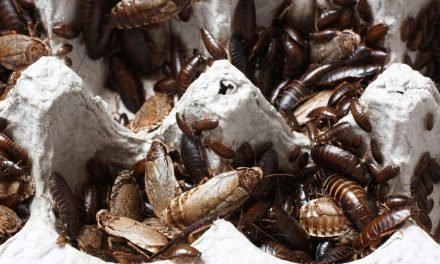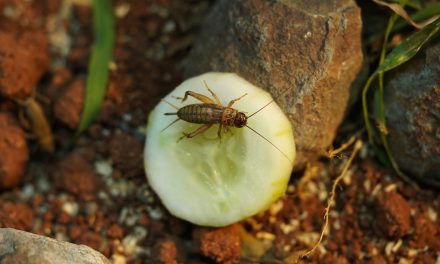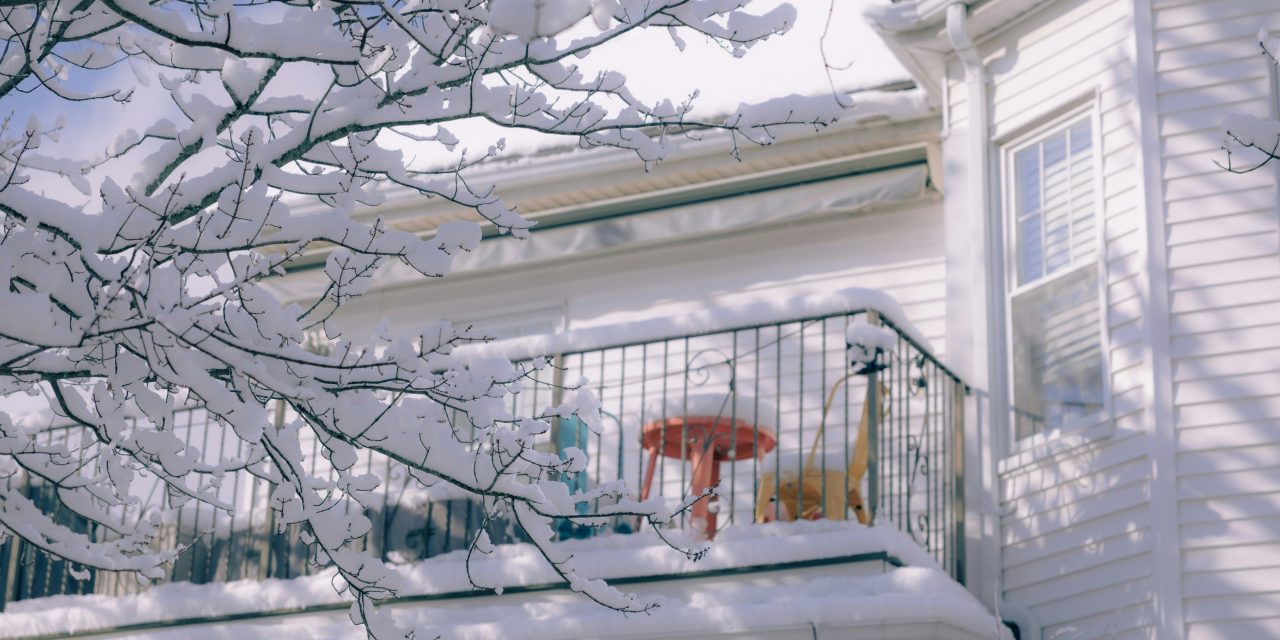
As the temperature drops and winter approaches, various pests seek refuge in warmer environments, often leading to infestations within homes. Common winter pests include rodents such as mice and rats, insects like cockroaches and ants, and even spiders. These creatures are not merely a nuisance; they can pose significant health risks and cause structural damage to properties. Rodents, for instance, are known carriers of diseases such as hantavirus and leptospirosis, while cockroaches can trigger asthma and allergies in sensitive individuals.
Understanding the behavior of these pests is crucial for effective management. Many of them enter homes in search of food, warmth, and shelter. Rodents can squeeze through openings as small as a quarter, while insects often find their way indoors through cracks and crevices. Recognizing the signs of an infestation—such as droppings, gnaw marks, or nests—can help homeowners take timely action to mitigate the problem before it escalates.
Inspecting Your Home for Vulnerable Entry Points
A thorough inspection of your home is essential to identify potential entry points that pests may exploit during the winter months. Begin by examining the exterior of your property, focusing on areas where different materials meet, such as the junctions between walls and foundations. Look for gaps around windows, doors, and utility lines that could serve as gateways for pests.
Additionally, pay attention to the condition of your siding and roofing. Cracked or damaged shingles can provide access for rodents and insects alike. Inspecting your home regularly not only helps in identifying vulnerabilities but also allows you to take proactive measures to seal these entry points before pests invade your living space.
Sealing Cracks and Gaps in Walls and Foundations

Once vulnerable entry points have been identified, sealing cracks and gaps becomes a priority in pest prevention. Use high-quality caulk or expanding foam to fill small openings around windows, doors, and utility lines. For larger gaps in foundations or walls, consider using steel wool or mesh screens to deter rodents from gnawing their way inside.
It is important to ensure that any materials used for sealing are durable and weather-resistant. Regularly inspect these seals throughout the winter months to ensure they remain intact. By effectively sealing these entry points, homeowners can significantly reduce the likelihood of pest infestations.
Weatherproofing Doors and Windows

Weatherproofing doors and windows is another critical step in preventing winter pests from entering your home. Install weatherstripping around doors to create a tight seal when closed. This not only helps keep cold air out but also prevents pests from slipping through gaps. For windows, consider using caulk to seal any cracks or gaps that may have developed over time.
In addition to sealing, installing door sweeps can further enhance protection against pests. These devices create a barrier at the bottom of doors, preventing rodents and insects from gaining access. Regular maintenance of weatherproofing measures ensures that your home remains a fortress against unwanted winter visitors.
Maintaining Your Roof and Gutters to Prevent Pest Access
A well-maintained roof is essential for preventing pest access during winter months. Inspect your roof for any damaged shingles or leaks that could provide entry points for pests. Additionally, ensure that gutters are clear of debris to prevent water accumulation, which can attract insects and rodents seeking moisture.
Regular roof maintenance not only protects against pests but also extends the lifespan of your roofing materials. Consider scheduling professional inspections at least once a year to identify potential issues before they become significant problems. By maintaining your roof and gutters, you create an inhospitable environment for winter pests.
Proper Storage of Firewood and Outdoor Materials
Improper storage of firewood and outdoor materials can inadvertently attract pests to your home during winter. Firewood should be stored at least 20 feet away from the house and elevated off the ground to prevent moisture accumulation and discourage pest habitation. Stacking wood in a manner that allows for airflow can also help keep it dry.
Outdoor materials such as garden tools, furniture, and equipment should be stored in a clean, organized manner. Pests often seek shelter in cluttered areas, so keeping outdoor spaces tidy reduces the likelihood of infestations. By managing outdoor storage effectively, homeowners can minimize the risk of pests finding their way indoors.
Clearing Debris and Clutter from Your Yard
A cluttered yard can serve as an inviting habitat for various pests during winter months. Fallen leaves, branches, and other debris provide shelter for rodents and insects alike. Regularly clearing debris not only enhances the aesthetic appeal of your yard but also reduces potential nesting sites for pests.
Consider implementing a routine yard maintenance schedule throughout the fall and winter months. This includes raking leaves, trimming overgrown shrubs, and removing any standing water that may attract insects. By maintaining a clean outdoor environment, homeowners can significantly decrease the chances of pest infestations.
Managing Indoor Moisture and Humidity Levels
Indoor moisture levels play a crucial role in attracting pests during winter months. High humidity creates an ideal environment for mold growth and attracts moisture-seeking insects like cockroaches and silverfish. To manage indoor humidity levels effectively, consider using dehumidifiers in areas prone to dampness, such as basements or bathrooms.
Regularly check for leaks in plumbing fixtures and repair them promptly to prevent water accumulation. Additionally, ensure proper ventilation in kitchens and bathrooms to allow moisture to escape. By maintaining optimal indoor humidity levels, homeowners can create an environment that is less conducive to pest infestations.
Setting Up Preventative Pest Control Measures
Implementing preventative pest control measures is essential for safeguarding your home against winter infestations. Consider using traps or bait stations strategically placed around potential entry points to monitor pest activity. Regularly check these devices to assess whether any pests have been captured or attracted.
In addition to traps, consider using insect growth regulators (IGRs) that disrupt the life cycle of common pests like cockroaches and ants. These products can help reduce pest populations over time by preventing them from reaching maturity or reproducing effectively.
Using Natural Repellents and Barriers
Natural repellents can serve as an effective alternative to chemical pesticides when managing winter pests. Essential oils such as peppermint, tea tree oil, and eucalyptus have been shown to repel various insects due to their strong scents. Diluting these oils with water and spraying them around entry points can deter pests from entering your home.
Additionally, consider using diatomaceous earth as a barrier against crawling insects. This natural substance is harmless to humans and pets but lethal to insects with exoskeletons when they come into contact with it. Sprinkling diatomaceous earth around potential entry points can create an effective barrier against unwanted pests.
Scheduling Professional Pest Inspections Before Winter
Scheduling professional pest inspections before winter is a proactive approach to ensuring your home remains pest-free during the colder months. Pest control experts possess the knowledge and tools necessary to identify potential vulnerabilities that homeowners may overlook. They can provide tailored recommendations based on the specific needs of your property.
During these inspections, professionals will assess both the interior and exterior of your home for signs of pest activity or potential entry points. Early detection allows for timely intervention, reducing the risk of significant infestations developing over time.
In summary, understanding common winter pests is crucial for effective prevention strategies. By inspecting your home for vulnerable entry points, sealing cracks and gaps, weatherproofing doors and windows, maintaining roofs and gutters, properly storing firewood, clearing yard debris, managing indoor moisture levels, setting up preventative measures, using natural repellents, and scheduling professional inspections, homeowners can significantly reduce the risk of pest infestations during winter months. Taking these proactive steps ensures a comfortable living environment free from unwanted guests while safeguarding health and property integrity throughout the season.
FAQs
Why is it important to pest-proof your home before winter?
Pest-proofing your home before winter is crucial because many pests seek shelter indoors as temperatures drop. By taking preventive measures, you can reduce the likelihood of infestations, protect your home from damage, and maintain a healthier living environment.
What are some common pests that invade homes during winter?
Common pests that invade homes during winter include rodents like mice and rats, as well as insects such as cockroaches, spiders, and ants. These pests are attracted to warmth and food sources, making homes an ideal refuge during colder months.
What steps can I take to seal entry points in my home?
To seal entry points, inspect your home for gaps and cracks around windows, doors, and foundations. Use caulk or weather stripping to seal these openings, and install door sweeps to block gaps at the bottom of doors. Additionally, ensure that vents and chimneys are properly screened.
How can I reduce food sources for pests in my home?
To reduce food sources for pests, store food in airtight containers, clean up spills and crumbs promptly, and regularly take out the trash. Additionally, keep pet food sealed and avoid leaving food out overnight to minimize attractants for pests.
Should I consider professional pest control services for winter preparation?
Yes, considering professional pest control services can be beneficial, especially if you have a history of pest problems or want a thorough inspection. Professionals can identify potential issues, provide targeted treatments, and offer advice on long-term pest prevention strategies.